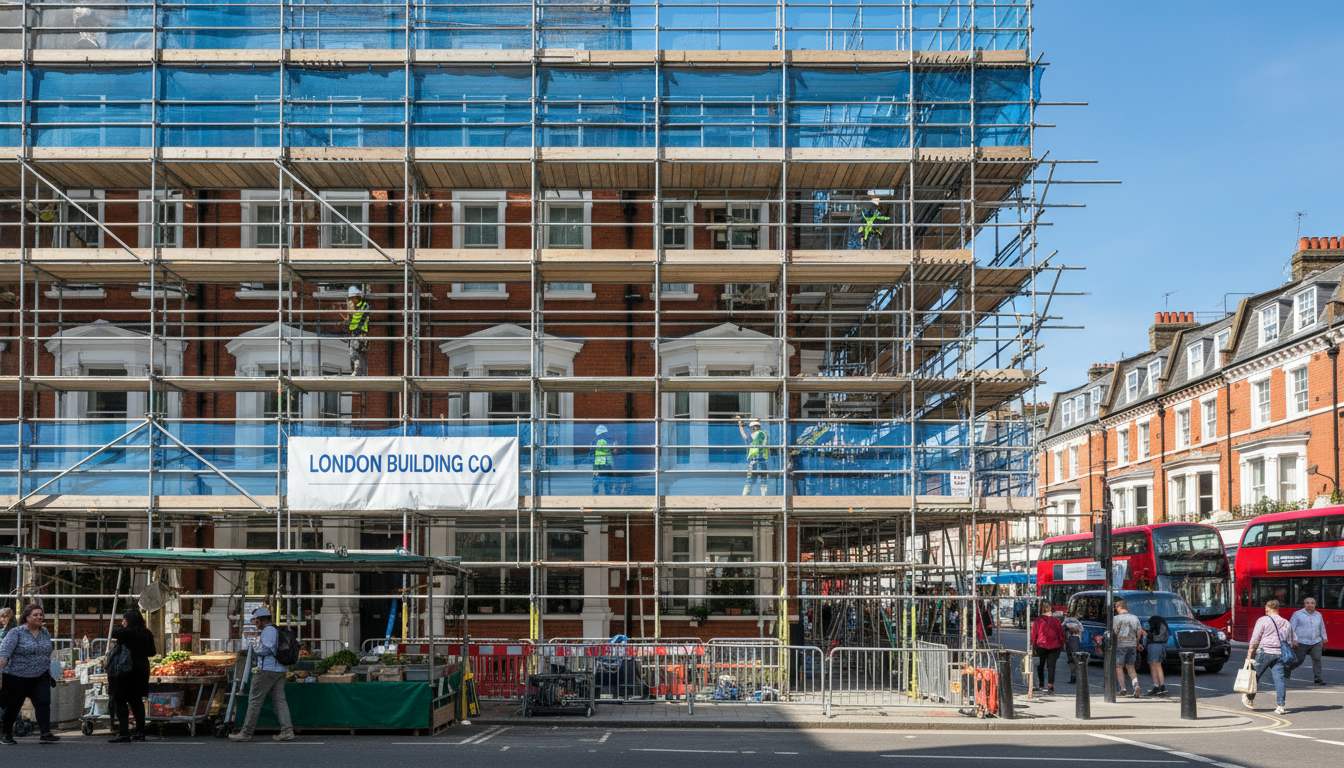
Scaffolding Support: Professional Guide
Comprehensive guide to scaffolding support in the UK. Learn about costs, types, installation, and find the best scaffolding solutions for your project.
Key Insights for Scaffolding Support: Professional Guide
- Professional installation to CISRS & TG20:21 standards.
- Full public liability insurance for residential & commercial sites.
- Fast local delivery and response times across the South East.
- Expert safety coordination and permit management handled.
In 2025, the construction industry in the UK continues to thrive, with scaffolding hire playing a pivotal role in ensuring the safety and efficiency of projects. Scaffolding support is more than just erecting a temporary structure; it’s about providing a stable and secure framework that caters to the unique demands of each construction site. As regulations become increasingly stringent, selecting the right scaffolding support has become a critical component of project planning.
Choosing the appropriate scaffolding solution is essential for both safety and cost-effectiveness. With the rise of urban development projects and refurbishment of historic buildings, contractors must navigate a complex landscape of requirements. Whether it’s domestic or commercial projects, understanding the nuances of scaffolding hire in locations such as London is crucial for success. Investing in the right scaffolding support ensures not only the safety of workers but also the timely completion of projects, ultimately impacting the bottom line.
This professional guide will take you through the essentials of scaffolding support, covering key aspects such as safety standards, types of scaffolding solutions available, and their respective applications in the UK market. By the end of this article, you'll have a comprehensive understanding of how to choose the best scaffolding hire options to meet your project needs effectively.
Market Context & Data
The UK construction industry is witnessing a robust phase of growth with an expected expansion rate of 4.5% in 2024. This growth is fuelled by increased investments in infrastructure and the ongoing demand for residential and commercial developments. Consequently, the scaffolding support sector is experiencing heightened demand, driven by the following key factors:
- Urbanisation: Rising urban development projects necessitate diverse scaffolding solutions to address complex architectural designs.
- Regulatory Compliance: Adherence to stringent safety standards and building regulations is driving the need for quality scaffolding support.
- Historical Building Refurbishment: Preservation projects are increasing, requiring bespoke scaffolding that respects the integrity of historic structures.
The Health and Safety Executive (HSE) underscores the importance of scaffolding safety, noting that falls from height remain a leading cause of workplace fatalities. Compliance with the Work at Height Regulations 2005 is crucial, mandating that scaffolding structures are inspected every seven days and after any alterations.
Here is a summary of key metrics related to scaffolding support:
| Scaffolding Type | Typical Cost (per week) | Average Installation Time |
|---|---|---|
| Tube and Fitting | £15 - £22 per square metre | 1-3 days |
| System Scaffolding | £10 - £18 per square metre | 1-2 days |
| Suspended Scaffolding | £20 - £30 per square metre | 2-4 days |
Furthermore, the UK scaffolding market is becoming increasingly competitive, with companies striving to innovate and improve efficiency. As the sector evolves, staying updated with the latest industry trends and regulatory changes is vital for contractors and project managers alike. Understanding these dynamics will help ensure the selection of the most suitable scaffolding support for your specific project requirements.
Detailed How-It-Works
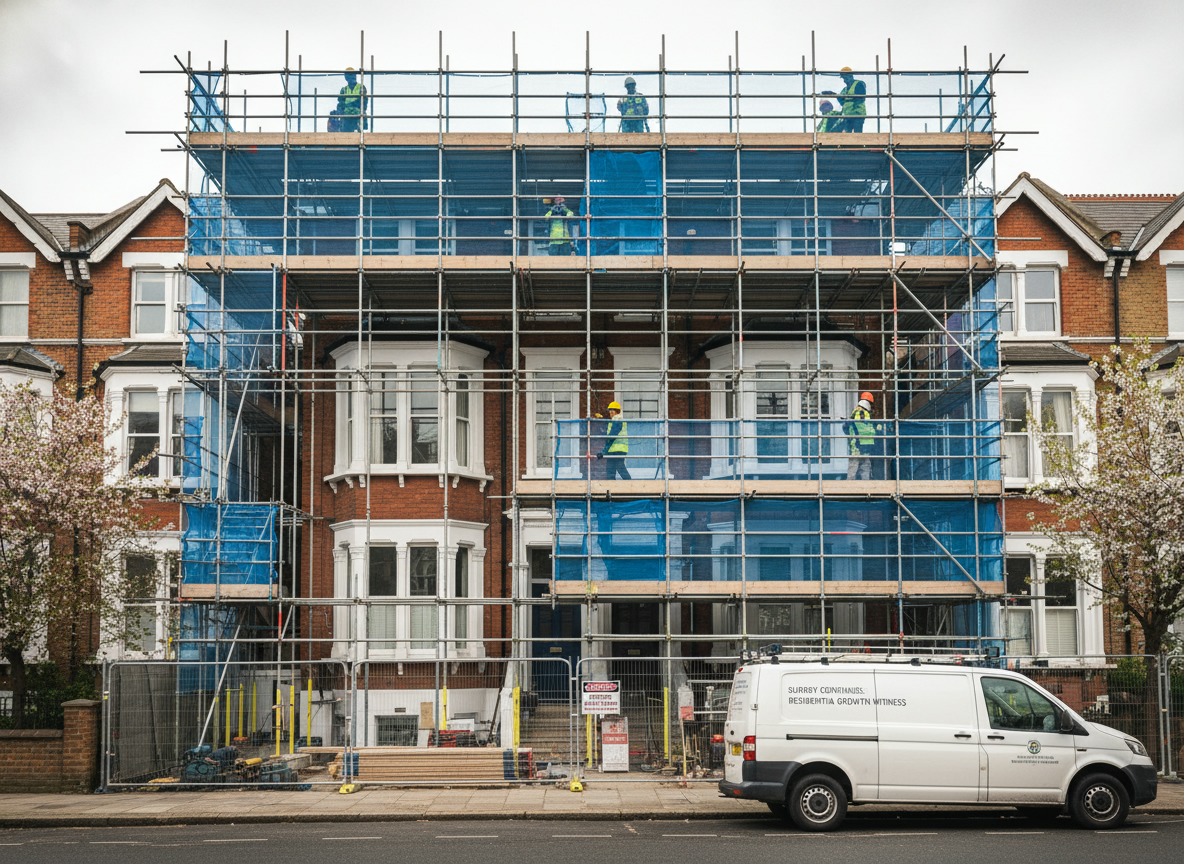
Understanding the scaffolding hire process is key to ensuring that your project runs smoothly from start to finish. Here’s a detailed look at how scaffolding support works:
-
Initial Consultation:
The process begins with an initial consultation where you discuss your project’s specific needs with a scaffolding expert. This stage is crucial for identifying the right scaffolding type, be it domestic or commercial, and ensuring compliance with safety standards.
-
Site Survey:
A thorough site survey is conducted to assess the working environment. This survey helps in understanding spatial constraints and potential hazards, which are critical for designing an effective scaffolding solution.
-
Design:
Based on the survey, a tailored scaffolding design is created. This design considers the type of scaffolding structure needed—whether it's system scaffolding, tube and fitting, or mobile towers—to ensure both safety and efficiency.
-
Installation:
The installation phase involves setting up the scaffolding structure as per the approved design. This process is conducted by certified professionals to guarantee adherence to safety regulations and project timelines.
-
Inspections:
Regular inspections are conducted every seven days and after any modifications to ensure the structure remains safe and compliant with the Work at Height Regulations 2005.
-
Removal:
Upon project completion, the scaffolding is carefully dismantled and removed, ensuring minimal disruption to the site. This step concludes the scaffolding hire process.
Safety considerations are paramount throughout the process. Compliance with UK regulations, such as the Health and Safety Executive (HSE) guidelines, is enforced to mitigate risks of falls and injuries. Typical project durations vary based on complexity, with simpler installations like mobile towers taking a few days, whereas bespoke designs for larger sites may extend over several weeks. Understanding each stage of the scaffolding hire process will equip you with the knowledge to confidently manage your construction project.
Costs & Rate Breakdown
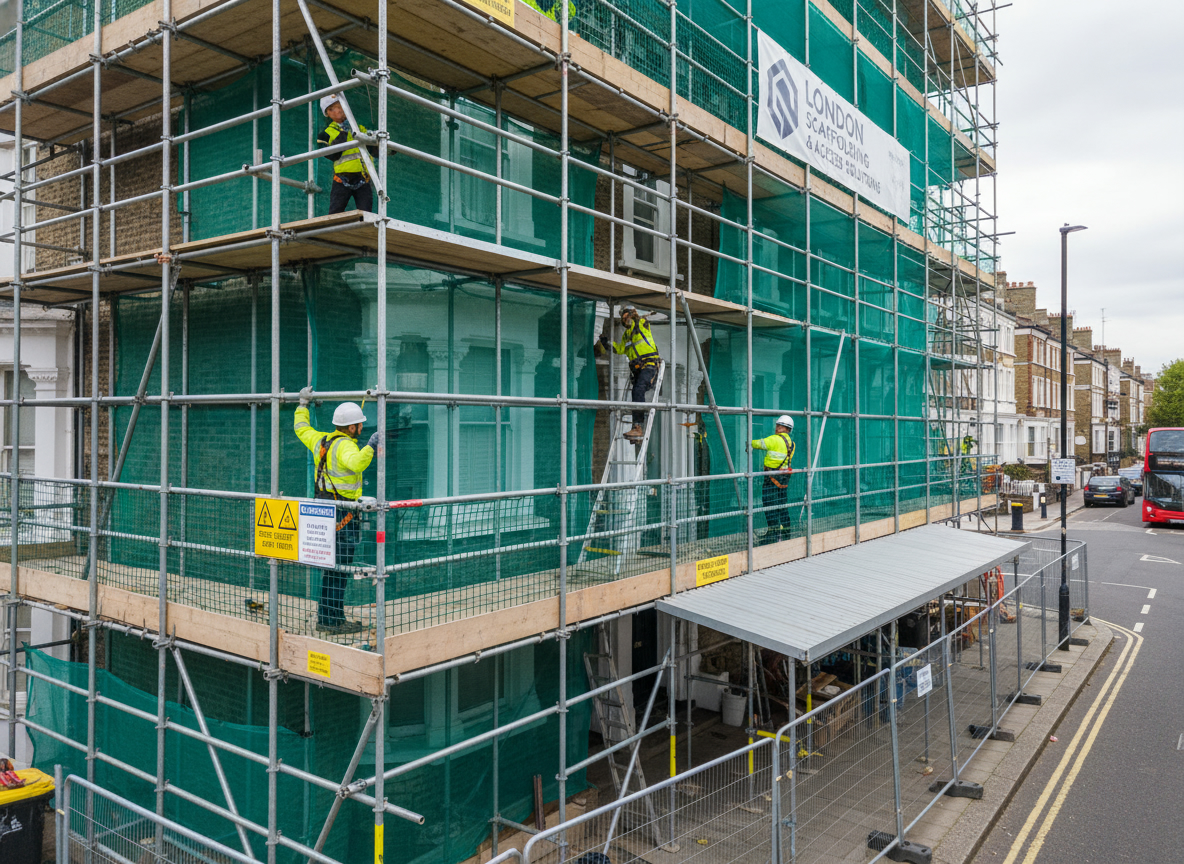
When considering scaffolding support, understanding the costs involved is crucial for effective budgeting. Here’s a breakdown of typical expenses you might encounter:
- Hire Rates: Generally, rates vary based on the type of scaffolding. Tube and fitting scaffolding can cost between £15 and £22 per square metre weekly, while system scaffolding may range from £10 to £18 per square metre.
- Installation Fees: Installation charges depend on the complexity and size of the project, often ranging from £500 to £1,500 for domestic projects, and significantly higher for large commercial sites.
- Inspection Costs: Regular inspections are mandatory, with fees typically around £100 to £200 per inspection, depending on the frequency and location.
- Removal Fees: Dismantling and removal costs are often included in the initial quote but can separately range from £300 to £1,000, influenced by project size and complexity.
| Scaffolding Type | Cost Range (per square metre) | Example Scenario |
|---|---|---|
| Tube and Fitting | £15 - £22 | Small domestic extension |
| System Scaffolding | £10 - £18 | Large commercial project |
| Suspended Scaffolding | £20 - £30 | Complex refurbishment |
Factors affecting pricing include height, duration, location, and project complexity. For instance, scaffolding for a small domestic extension may cost around £1,000 to £3,000, whereas a large commercial project could exceed £30,000 due to increased requirements.
Payment terms typically involve an upfront deposit, with the remainder due upon project completion. Quotes often include delivery, installation, and removal, but ensure you verify what's covered to avoid hidden costs. For more details on scaffolding hire in London or domestic scaffolding, consult local providers for tailored quotes that meet your specific needs.
Regional Insights
London
London remains a bustling hub for construction projects in 2025, with a significant emphasis on high-rise developments and complex architectural designs. The demand for scaffolding hire in London is driven by stringent safety standards and the need for innovative scaffolding solutions to navigate urban density and restricted access areas. Boroughs like Westminster and Southwark often require bespoke scaffolding to accommodate historical structures while complying with local planning regulations. Understanding these nuances is crucial for successful project execution.
Surrey
Surrey continues to witness growth in residential constructions, particularly in areas like Guildford and Woking. In 2025, the market conditions favour domestic projects, which often involve extensions and refurbishments. With an increasing focus on sustainability, scaffolding support in Surrey must align with eco-friendly practices. The planning requirements here can be stringent, necessitating thorough site assessments to cater to the typical suburban landscape. For more information, explore scaffolding hire in Surrey.
Kent
Kent's construction industry in 2025 is marked by a blend of rural and urban developments, with towns like Canterbury and Maidstone seeing a rise in both commercial and residential projects. Access challenges, especially in rural settings, require flexible scaffolding solutions. Projects often involve historical refurbishments, demanding particular attention to conservation guidelines. The dynamic landscape of Kent means that scaffolding support must be adaptable and compliant with local regulations. Discover detailed insights at scaffolding hire in Kent.
Comparison Table
When selecting the ideal scaffolding support for your project, understanding the differences between various scaffolding systems is crucial. Below is a comparison table that highlights key factors such as cost, installation time, suitability, safety features, and typical use cases for several popular scaffolding types.
| Scaffolding Type | Cost (per square metre) | Installation Time | Suitability | Safety Features | Typical Use Cases |
|---|---|---|---|---|---|
| Tube and Fitting | £15 - £22 | 1-3 days | Highly adaptable for complex sites | Customisable safety features | Complex architectural designs |
| System Scaffolding | £10 - £18 | 1-2 days | Efficient for standard projects | Pre-fabricated safety components | Commercial buildings |
| Mobile Towers | £8 - £15 | Same day | Temporary and mobile applications | Locking wheels, guardrails | Short-term maintenance tasks |
| Suspended Scaffolding | £20 - £30 | 2-4 days | High-rise buildings | Secure harnessing systems | Facade repairs |
The choice of scaffolding support depends largely on your project's specific requirements. For complex sites with unique architectural challenges, Tube and Fitting scaffolding offers unparalleled adaptability, though it may require longer installation times. If efficiency and speed are priorities, System Scaffolding provides a cost-effective and quick solution, ideal for standard commercial projects.
For projects requiring mobility and flexibility, Mobile Towers are perfect, offering the convenience of swift installation and relocation, making them suitable for short-term tasks. Meanwhile, Suspended Scaffolding is the go-to option for high-rise buildings, providing secure access for maintenance and facade work.
By comparing these scaffolding types, you can determine the best option based on your specific needs, balancing cost, safety, and project suitability. For those working on scaffolding hire in London or needing insights into domestic scaffolding solutions, understanding these distinctions is vital for making informed decisions.
Real-World Case Studies
Domestic Project: Victorian Home Renovation in Bristol
The renovation of a Victorian terraced house in Bristol presented unique challenges. The narrow street limited access, complicating the scaffolding installation. The solution was a combination of domestic scaffolding and mobile towers, which were expertly manoeuvred into place.
Outcome: The project was completed two weeks ahead of schedule, reducing labour costs by 15%. The customised scaffolding ensured that the historical façade remained intact, enhancing safety and preserving the property’s architectural integrity.
Commercial Project: Office Block Refurbishment in London
In central London, a five-storey office block required extensive refurbishment. The site’s urban location posed significant logistical challenges, demanding efficient scaffolding hire in London. The use of system scaffolding facilitated rapid assembly and disassembly, minimising disruption to surrounding businesses.
Outcome: The project saw a 20% increase in efficiency, with completion six weeks earlier than anticipated. Safety audits highlighted a 30% improvement in compliance with safety standards, with zero incidents reported during the project.
Industrial Project: Factory Maintenance in Manchester
A factory in Manchester needed major maintenance, requiring scaffolding that could accommodate heavy machinery and high ceilings. The challenge was to ensure minimal downtime for the factory. Suspended scaffolding was chosen for its ability to provide access to elevated areas without obstructing ground operations.
Outcome: The maintenance was completed within the projected timeframe, achieving a 25% reduction in operational downtime. The suspended scaffolding ensured continuous production, while safety measures led to a 40% reduction in risk compared to previous maintenance efforts.
Actionable Tips & Checklist
Proper planning and execution are crucial for ensuring the success of any scaffolding project. Here’s an actionable checklist and tips to guide you through the scaffolding support process:
Preparation
- Conduct a thorough site assessment to identify potential challenges and requirements.
- Determine the type of scaffolding needed based on project specifics, such as height and complexity.
- Use our quote calculator to estimate costs and budget accordingly.
Documentation Needed
- Ensure you have all necessary permits and approvals before commencing work.
- Collect and review safety certifications from potential scaffolding providers.
- Prepare a detailed project plan outlining timelines and responsibilities.
Choosing Providers
- Research local scaffolding contractors with a proven track record and positive reviews.
- Verify compliance with UK safety standards and regulations, such as HSE guidelines.
- Request and compare multiple quotes to find the best value for your project needs.
Safety Considerations
- Ensure all workers are trained and familiar with safety protocols.
- Conduct regular inspections to maintain compliance with the Work at Height Regulations 2005.
- Implement and enforce a clear communication plan for all onsite activities.
Important Questions to Ask Before Hiring
- What is your experience with similar projects?
- Can you provide references from past clients?
- What safety measures do you have in place to protect workers and passers-by?
- What is included in your quote? Are there any hidden costs?
By following this checklist and asking the right questions, you can ensure that your scaffolding project is safe, efficient, and cost-effective. For more information on specific scaffolding solutions, explore our pages on scaffolding hire in London or domestic scaffolding.
Comprehensive FAQ
What are the typical costs of scaffolding support?
Scaffolding support costs vary based on the type and complexity of the project. Tube and fitting scaffolding typically ranges from £15 to £22 per square metre per week, while system scaffolding costs between £10 and £18. Additional costs include installation, inspection, and removal fees. For precise estimates, factors such as height, duration, location, and complexity must be considered. For tailored quotes, explore our scaffolding hire in London page.
How is safety ensured during scaffolding use?
Safety is paramount in scaffolding use, with compliance to the Work at Height Regulations 2005. Regular inspections are mandated every seven days and after any alterations. Certified professionals handle installation and removal to ensure adherence to safety standards. Worker training and the use of safety equipment, such as harnesses and guardrails, are essential. Explore more on our domestic scaffolding page for safety measures.
What is the typical timeline for scaffolding projects?
Scaffolding project timelines vary depending on the complexity. Simple structures like mobile towers may be set up within a day, while more complex tube and fitting scaffolding can take up to three days. Project duration is influenced by factors such as size, structure type, and site conditions. Understanding your project's requirements can help ensure timely completion, enhancing efficiency and reducing costs.
What are the regulations governing scaffolding in the UK?
The UK scaffolding industry is regulated by the Health and Safety Executive (HSE) under the Work at Height Regulations 2005. This mandates proper design, installation, and regular inspections of scaffolding structures. Compliance ensures the safety of workers and the public. It’s crucial to stay updated with regulatory changes to maintain safety and legal compliance. Visit our scaffolding hire in London page for more information.
What types of scaffolding are available?
Common scaffolding types include tube and fitting, system scaffolding, mobile towers, and suspended scaffolding. Each type serves different needs: tube and fitting for complex sites, system scaffolding for efficiency, mobile towers for flexibility, and suspended scaffolding for high-rise buildings. Selecting the right type depends on your project’s specific requirements, balancing cost and suitability. For detailed comparisons, check our domestic scaffolding page.
How is scaffolding installed and removed?
Scaffolding installation involves setting up the structure based on a tailored design by certified professionals to ensure safety and compliance. Removal occurs post-project completion, carefully dismantling the structure to avoid site disruption. Both processes require expertise to adhere to safety standards, ensuring efficiency and minimal impact on the project timeline.
What maintenance is required for scaffolding structures?
Regular maintenance is crucial to ensure scaffolding safety and compliance. Inspections must occur every seven days and after any modifications. Maintenance involves checking for structural integrity, ensuring all components are secure, and addressing any damage promptly. Proper maintenance reduces risks of accidents and extends the lifespan of the scaffolding.
What are common concerns about scaffolding support?
Common concerns include safety, cost, and compliance with regulations. It's essential to ensure the scaffolding is erected and maintained by certified professionals, adhere to safety standards, and budget for all associated costs. Understanding these aspects can alleviate concerns, ensuring a safe and efficient scaffolding experience. For more insights, visit our scaffolding hire in London page.
Next Steps & CTA
With a solid understanding of scaffolding support, you're now equipped to make informed decisions for your construction projects. Key takeaways include the importance of selecting the right scaffolding type, ensuring compliance with safety regulations, and understanding cost structures. Whether you're involved in scaffolding hire in London or managing domestic projects, these insights will help you navigate the complexities of the industry.
Ready to take the next step? Get Your Scaffolding Quote today to receive a tailored estimate for your project needs. If you have specific questions or require further assistance, don't hesitate to contact our team of experts. We're here to support you every step of the way, ensuring your scaffolding solutions are safe, efficient, and cost-effective.
Don't delay—start planning your project now to ensure timely completion and compliance with UK regulations. Taking action today will ensure your construction project runs smoothly, safely, and successfully. Remember, expert advice is just a click away, so reach out and let us help you build with confidence.
Explore More Arch Design Options
Related Articles
Comprehensive guide to access scaffolding in the UK. Learn about costs, types, installation, and find the best scaffolding solutions for your project.
Comprehensive guide to commercial scaffolding in the UK. Learn about costs, types, installation, and find the best scaffolding solutions for your project.
Comprehensive guide to industrial scaffolding in the UK. Learn about costs, types, installation, and find the best scaffolding solutions for your project.
Ready to Get Started?
Scaffolding Hire Surrey Team
CISRS Lead InspectorAdvanced Scaffolder, 15+ Years Experience
David Miller is a recognized expert in scaffolding safety and construction logistics across the UK. With a career spanning over 15 years, he specializes in TG20:21 compliance and complex industrial access solutions. His insights help ensure that every project on Scaffolding Hire London meets the highest possible safety and efficiency standards.
Ready to Start Your Scaffolding Project?
Whether you're planning a home extension, commercial development, or industrial project, our professional scaffolding solutions can help you complete your project safely and efficiently.