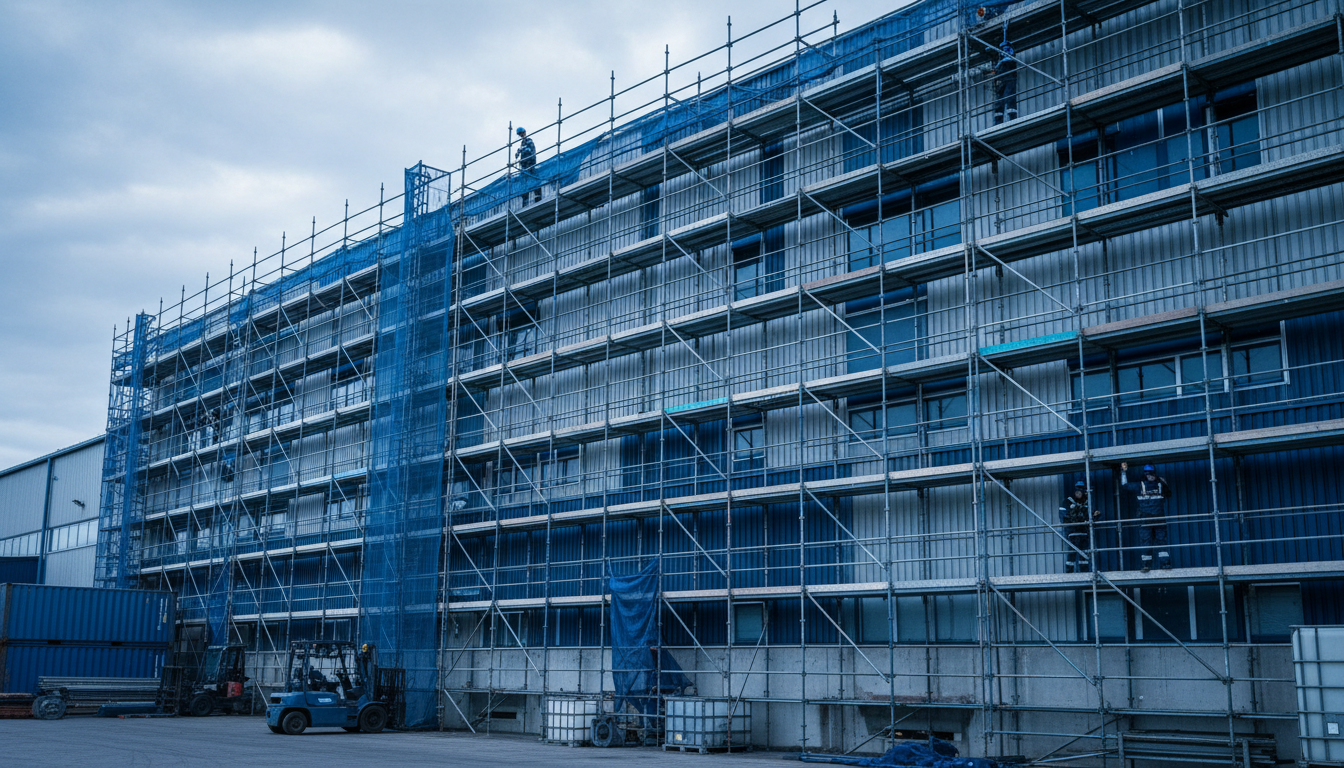
Understanding Commercial Scaffolding: A Complete Overview
Comprehensive guide to commercial scaffolding in the UK. Learn about costs, types, installation, and find the best scaffolding solutions for your project.
Key Insights for Understanding Commercial Scaffolding: A Complete Overview
- Professional installation to CISRS & TG20:21 standards.
- Full public liability insurance for residential & commercial sites.
- Fast local delivery and response times across the South East.
- Expert safety coordination and permit management handled.
Understanding Commercial Scaffolding: A Complete Overview
Did you know that improper scaffolding remains a leading cause of construction site injuries in the UK? Despite advancements in technology and safety protocols, the Health and Safety Executive (HSE) reports that scaffolding-related accidents still account for a significant percentage of workplace incidents. This statistic underscores the critical importance of understanding commercial scaffolding, especially as urban landscapes continue to evolve at an unprecedented pace.
In 2025, the UK construction industry is poised for significant growth, driven by increased infrastructure projects and a booming real estate market. With this surge comes the necessity for reliable and safe commercial scaffolding solutions. Whether it's constructing towering skyscrapers or refurbishing iconic landmarks, the role of scaffolding is indispensable. Yet, navigating the complexities of commercial scaffolding can be daunting without the right knowledge and expertise.
In this comprehensive guide, we delve into everything you need to know about commercial scaffolding. From the various types of scaffolding systems available to the latest industry standards set by the National Access & Scaffolding Confederation (NASC), we cover it all. You'll learn about the essential safety measures, cost considerations, and how to choose the right scaffolding hire services for your projects. By the end, you'll have a clear understanding of how to ensure safety and efficiency on your construction sites.
So, whether you're a seasoned contractor or new to the world of construction, this overview will equip you with valuable insights and practical advice on commercial scaffolding. Let's get started on demystifying the scaffolding landscape and ensuring every project you undertake is both safe and successful.
Market Context & Data
Did you know that the UK scaffolding industry is projected to experience a growth rate of 4.5% annually between 2024 and 2025? According to recent industry reports, this growth is driven by a surge in commercial construction projects and an increased focus on workplace safety. As infrastructure developments accelerate, the demand for commercial scaffolding solutions is more critical than ever.
Industry data shows that scaffolding forms an integral part of the construction process, with the UK market expected to reach a value of £2.5 billion by 2025. This robust growth underscores the importance of adhering to rigorous safety standards and regulations. The National Access & Scaffolding Confederation (NASC) and the Health and Safety Executive (HSE) have introduced guidelines like TG20:21 and SG4:22 to ensure the safe use of scaffolding across all construction sites.
- Increased demand for scaffolding in urban construction projects
- Heightened emphasis on safety standards compliance
- Introduction of new and innovative scaffolding systems
| Scaffolding Type | Typical Costs (£) | Average Installation Time |
|---|---|---|
| Tubular Steel Scaffolding | 500 - 1,000 per week | 2-4 days |
| Suspended Scaffolding | 700 - 1,200 per week | 3-5 days |
| Mobile Scaffolding Towers | 300 - 600 per week | 1-2 days |
Recent analysis indicates that the industry is not only expanding but also evolving with technological advancements. The integration of digital tools for monitoring and managing scaffolding structures is becoming a standard practice, enhancing both safety and efficiency. For those in London and other major UK cities, understanding these trends is essential for staying competitive and compliant.
Moreover, compliance with HSE regulations is paramount. The latest statistics from the HSE show that non-compliance can lead to significant penalties and project delays, making it crucial for contractors to stay informed and proactive in their scaffolding practices.
As the UK continues to prioritise construction safety and efficiency, the scaffolding industry must adapt to meet these challenges head-on. Whether you are considering domestic scaffolding solutions or large-scale commercial projects, being informed about the latest market trends and data is key to success.
Step-by-Step Guide to Commercial Scaffolding
Understanding the process of commercial scaffolding is crucial for ensuring the safety and success of your construction projects. From the initial planning stages to the final dismantling, each step is vital in securing a safe and efficient work environment. Let's walk through the essential stages of setting up commercial scaffolding, explaining what to expect at each point.
Step 1: Initial Assessment and Planning
Before any scaffolding is erected, a thorough site assessment is imperative. This involves evaluating the building's structure, the terrain, and environmental conditions. During this phase, project managers and scaffolding experts collaborate to determine the most suitable type of scaffolding—be it system scaffolding, tube and fitting, or mobile towers. The choice often depends on the project’s scale, design complexity, and specific requirements.
Planning also involves compliance with safety regulations set by the NASC and the HSE. Ensuring adherence to these standards from the outset is crucial in avoiding legal issues and ensuring worker safety. It's also the stage where timelines and budgets are established, providing a roadmap for the project's duration and costs.
Step 2: Design and Customisation
Next, the scaffolding design is customised to meet the specific needs of the project. This involves creating detailed drawings and plans that outline the positioning of key components such as standards (vertical tubes), ledgers (horizontal supports), and transoms (cross supports). The use of couplers (fittings) to join these elements is meticulously planned to ensure structural integrity.
Customisation is not just about the physical design but also about incorporating safety features like guardrails, toe boards, and bracing. These elements play a critical role in preventing falls and maintaining stability against external forces such as wind. Real-world scenarios often demand flexibility in design to accommodate unique architectural features or urban constraints.
Step 3: Erection and Inspection
With designs in hand, the erection phase begins. Skilled scaffolders assemble the structure on-site, positioning base plates to distribute weight evenly and ensure a stable foundation. This step requires precision to prevent accidents and ensure the scaffolding can withstand the pressures of daily use.
Once erected, an initial inspection is conducted by a qualified individual to verify compliance with safety standards. Regular inspections throughout the project’s duration are essential, as they help identify potential issues like loose couplers or compromised bracing. In the UK, these inspections are often required weekly or after any significant weather events.
Step 4: Maintenance and Monitoring
Throughout the project, continuous maintenance is crucial. This involves checking for wear and tear, particularly in high-traffic areas. Regular monitoring ensures that any necessary adjustments are made promptly, preserving the scaffolding’s safety and functionality.
Employing digital tools for monitoring can enhance this process, providing real-time data and alerts. This proactive approach not only improves safety but also minimises downtime, ensuring that construction schedules remain on track.
Step 5: Dismantling and Site Clearance
Once the construction work is complete, the scaffolding must be dismantled safely and efficiently. This final step is as important as the erection phase, requiring careful removal of all components to prevent accidents. Each piece, from the smallest coupler to the largest standard, is systematically taken down and inspected for future use.
Dismantling also involves clearing the site of debris and ensuring that all equipment is accounted for and stored correctly. This process ensures a smooth transition to the next phase of the project or the site’s return to its original state. Proper site clearance is essential for maintaining good relations with clients and local authorities.
By following these steps, you can ensure that your commercial scaffolding project is executed safely, efficiently, and in compliance with UK regulations. Whether tackling a large-scale skyscraper or a complex refurbishment, this guide provides the foundation for a successful scaffolding endeavour.
Comprehensive FAQ
What are the typical costs associated with commercial scaffolding in the UK?
Commercial scaffolding costs in the UK vary depending on the type, size, and complexity of the project. Typically, tubular steel scaffolding can range from £500 to £1,000 per week, while suspended scaffolding might cost between £700 and £1,200 weekly. Factors influencing costs include the height of the structure, duration of hire, and any customisation required. It's crucial to obtain quotes from multiple suppliers to ensure competitive pricing and to verify that all safety standards are included in the quotation.
What safety regulations must be followed for commercial scaffolding in the UK?
In the UK, commercial scaffolding must comply with regulations set by the Health and Safety Executive (HSE) and the National Access & Scaffolding Confederation (NASC). Key guidelines include TG20:21 for tube and fitting scaffolds, and SG4:22 for fall prevention. Regular inspections are mandated, typically weekly, or after adverse weather. Adherence ensures the safety of workers and the public, minimising the risk of accidents and legal repercussions.
How long does it take to erect and dismantle commercial scaffolding?
The timeline for erecting and dismantling commercial scaffolding depends on the project's scale and complexity. Typically, erecting tubular steel scaffolding takes 2-4 days, while dismantling might take less time due to a simpler process. The timeline can be affected by site conditions, weather, and the availability of skilled labour. Efficient planning and coordination with scaffolding professionals can help minimise delays.
Are there different types of commercial scaffolding available?
Yes, there are several types of commercial scaffolding available, each suited to different needs. Common types include tubular steel scaffolding, suspended scaffolding, and mobile scaffolding towers. The choice depends on factors such as project height, weight-bearing requirements, and site constraints. Understanding the specific needs of your project can help in selecting the appropriate scaffolding type, ensuring both safety and cost-effectiveness.
What is the process for obtaining a scaffolding permit in London?
Obtaining a scaffolding permit in London involves applying to the local council. The application should include site plans, safety measures, and proof of insurance. Fees vary by borough, typically around £100-£200. Permits are essential for any scaffolding that affects public pathways or roads, ensuring compliance with safety regulations and minimising public disruption. Early application is advised to avoid project delays.
How does the installation process for commercial scaffolding work?
The installation process begins with a site assessment to determine the best scaffolding system. This is followed by detailed design and planning. Skilled scaffolders then erect the scaffolding, ensuring stability and safety. Initial and regular inspections are conducted to verify compliance with safety standards. The process is crucial for ensuring the structure can support the required loads and provide safe access to work areas.
What are the maintenance requirements for commercial scaffolding?
Maintenance of commercial scaffolding involves regular inspections to check for wear, tear, and stability. Inspections should occur weekly or after severe weather. Key elements like couplers, guardrails, and base plates are examined for integrity. Any necessary repairs or adjustments must be made promptly to ensure safety. Employing digital tools for monitoring can enhance maintenance efficiency and provide real-time safety alerts.
How should I choose a scaffolding hire company?
Choosing a scaffolding hire company involves evaluating their experience, safety record, and compliance with industry standards. Look for companies accredited by the NASC, as this demonstrates adherence to high safety and quality standards. Ask for references from previous projects and ensure the company provides comprehensive insurance coverage. Obtaining multiple quotes can help assess competitive pricing and service offerings.
What happens during the removal of commercial scaffolding?
During the removal of commercial scaffolding, skilled workers systematically dismantle the structure, ensuring safety throughout the process. Components are removed in reverse order of installation, checked for damage, and stored for future use. Site clearance involves removing debris and ensuring the area is left tidy. Proper removal is crucial to prevent accidents and facilitate a smooth transition to subsequent project phases or site usage.
Next Steps & CTA
Now that you've gained a thorough understanding of commercial scaffolding, it's time to take actionable steps towards implementing this knowledge in your projects. Here are your Key Takeaways: understanding the importance of safety regulations is critical, awareness of the various scaffolding types available can optimise your project plans, and keeping up with industry trends ensures you remain competitive.
By demystifying the scaffolding landscape, you are now better equipped to make informed decisions that can enhance the safety and efficiency of your construction sites. Whether you're planning a new project or reassessing current strategies, the insights from this guide will serve as a valuable resource.
Ready to take the next step? Get Your Scaffolding Quote today and explore customised solutions that meet your project's unique needs. If you have any questions or need further assistance, don't hesitate to contact our team of experts who are ready to help you navigate the complexities of scaffolding hire.
Empower your projects with the right scaffolding solutions and ensure your construction sites are both safe and successful. Let's build a safer future together.
Explore More Arch Design Options
Related Articles
Comprehensive guide to access scaffolding in the UK. Learn about costs, types, installation, and find the best scaffolding solutions for your project.
Comprehensive guide to industrial scaffolding in the UK. Learn about costs, types, installation, and find the best scaffolding solutions for your project.
Comprehensive guide to portable scaffold hire in the UK. Learn about costs, types, installation, and find the best scaffolding solutions for your project.
Ready to Get Started?
David Miller
CISRS Lead Safety InspectorAdvanced Scaffolder, 15+ Years Experience
David Miller is a recognized expert in scaffolding safety and construction logistics across the UK. With a career spanning over 15 years, he specializes in TG20:21 compliance and complex industrial access solutions. His insights help ensure that every project on Scaffolding Hire London meets the highest possible safety and efficiency standards.
Ready to Start Your Scaffolding Project?
Whether you're planning a home extension, commercial development, or industrial project, our professional scaffolding solutions can help you complete your project safely and efficiently.