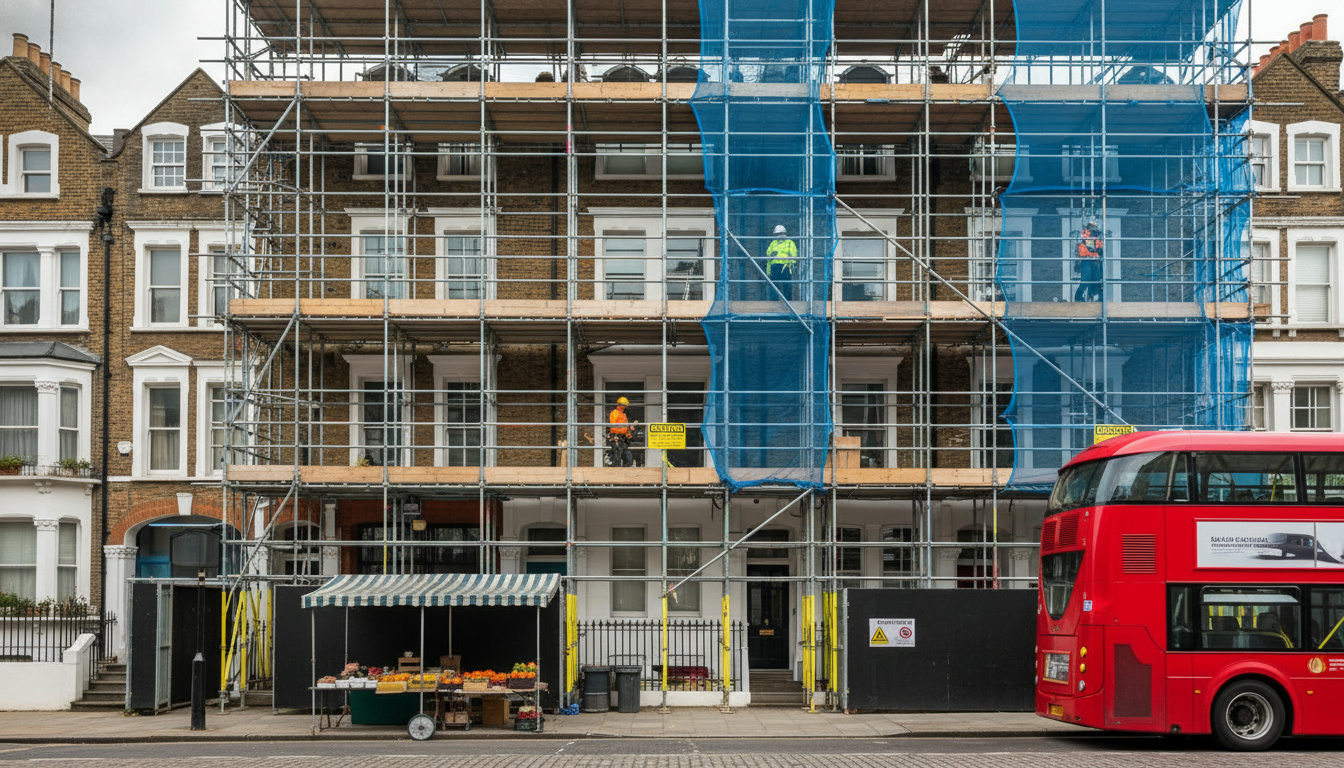
Scaffolding Solutions: Complete Guide 2025
Comprehensive guide to scaffolding solutions in the UK. Learn about costs, types, installation, and find the best scaffolding solutions for your project.
Key Insights for Scaffolding Solutions: Complete Guide 2025
- Professional installation to CISRS & TG20:21 standards.
- Full public liability insurance for residential & commercial sites.
- Fast local delivery and response times across the South East.
- Expert safety coordination and permit management handled.
In 2025, the landscape of scaffolding solutions in the UK is more dynamic than ever, driven by advancements in technology and a heightened focus on safety standards. Whether you're embarking on a small domestic renovation or a large-scale commercial project, the choice of scaffolding hire can make or break the success of your construction endeavour. As the industry evolves, understanding the available options and their applications is crucial for ensuring efficiency and safety on site.
Choosing the right scaffolding solutions is not just about compliance with regulations, but also about optimising resource usage, minimising costs, and enhancing worker safety. With the growing emphasis on sustainability and innovative methods, 2025 sees a diverse range of scaffolding types tailored to meet the unique demands of the UK construction sector. This comprehensive guide will equip you with the knowledge needed to make informed decisions, ensuring your projects are completed seamlessly and safely.
In the sections ahead, we delve into the different types of scaffolding available for hire, explore the latest trends in scaffolding technology, and provide insights into the best practices for maintaining safety standards. Whether you're interested in scaffolding hire in London or looking for domestic scaffolding solutions, this guide covers everything you need to know to navigate the scaffolding landscape in 2025 effectively.
``` ```htmlMarket Context & Data
The UK construction industry is projected to grow significantly in 2024-2025, with the demand for scaffolding solutions rising in tandem. According to recent industry reports, the sector is expected to see a 3.5% increase in construction activities, driven by both residential and commercial projects. This growth underscores the importance of selecting appropriate scaffolding to support diverse project needs.
- The demand for scaffolding hire is set to increase by 2.8% in 2025, reflecting the industry's upward trajectory.
- Safety remains a top priority, with the Health and Safety Executive (HSE) reporting a 5% decrease in scaffolding-related incidents, thanks to stringent safety standards and improved training.
- Market trends indicate a shift towards eco-friendly scaffolding materials, with an estimated 20% of new scaffolding solutions incorporating sustainable materials.
| Scaffolding Type | Typical Cost (per week) | Average Installation Time |
|---|---|---|
| Tube and Fitting | £250-£350 | 1-2 days |
| System Scaffolding | £300-£400 | 1 day |
| Mobile Scaffolding | £150-£250 | Few hours |
The regulatory environment in the UK continues to evolve, with new building regulations enhancing the safety and efficiency of construction sites. The HSE remains a pivotal body in ensuring compliance with these regulations, helping to foster a safer working environment across the industry. As the scaffolding market grows, staying informed about these changes is crucial for both contractors and clients alike.
``` ```htmlDetailed How-It-Works
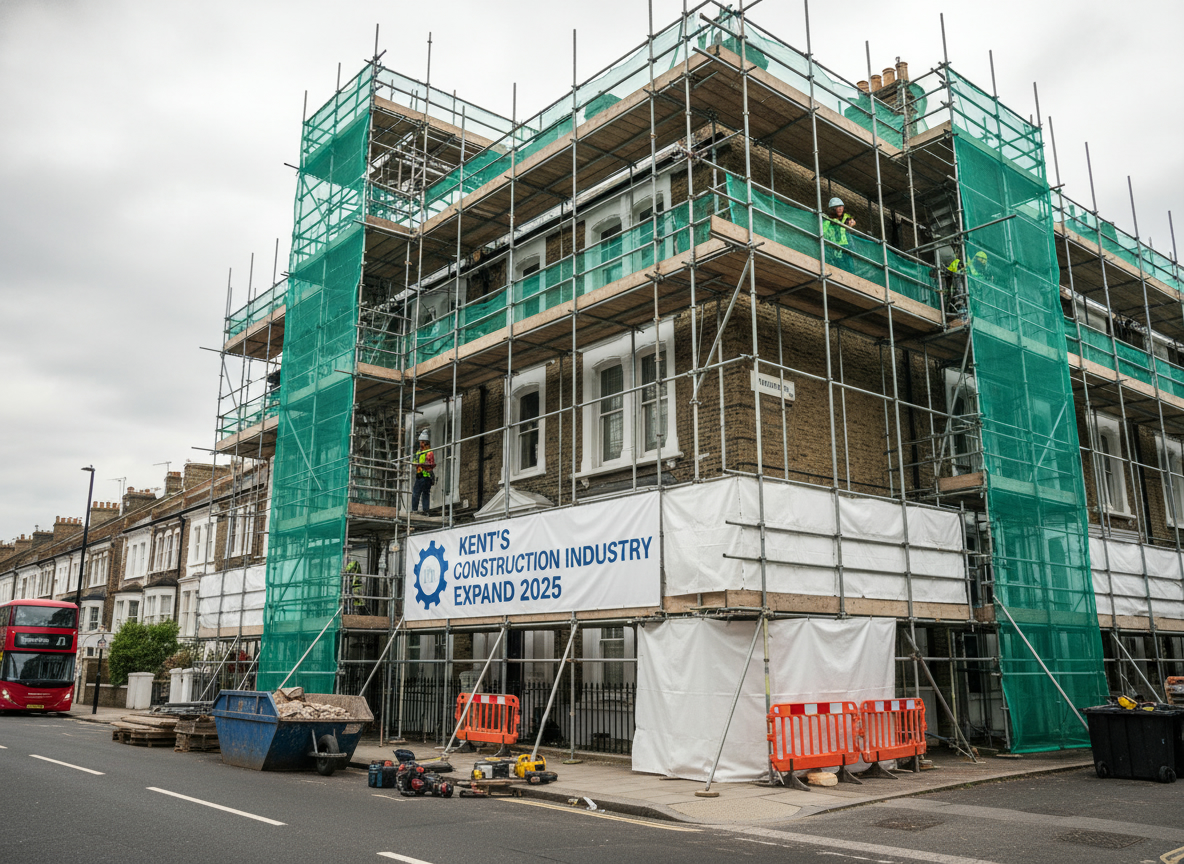
Understanding the scaffolding hire process is crucial for any construction project in the UK, ensuring not only compliance with safety standards but also the smooth progression of work. Here’s a step-by-step guide to how scaffolding solutions are implemented:
-
Initial Consultation:
The process begins with an initial consultation where project requirements are discussed. This stage involves assessing the type of scaffolding needed, whether it's domestic scaffolding for a residential project or more robust options for commercial sites.
-
Site Survey:
A detailed site survey is conducted by experienced professionals to evaluate the specific conditions and challenges of the location. This step ensures that the chosen scaffolding system, be it system scaffolding, tube and fitting, or mobile towers, is suitable for the task.
-
Design:
Based on the survey, a tailored scaffolding design is created, focusing on safety and efficiency. This design must comply with UK safety regulations, ensuring stability and accessibility for workers.
-
Installation:
Once the design is approved, the scaffolding is installed by a team of qualified professionals. Installation times can vary; system scaffolding is typically faster to erect than tube and fitting structures.
-
Inspections:
Regular inspections are crucial to maintaining safety standards. These checks ensure that the scaffolding remains secure and compliant throughout the project duration, with adjustments made as needed.
-
Removal:
Upon project completion, the scaffolding is carefully dismantled and removed. This step is crucial to minimise disruption and ensure site cleanliness and safety.
Safety is a core aspect of scaffolding hire, with compliance to standards set by the Health and Safety Executive (HSE) being mandatory. Typical project durations can vary depending on the scale and complexity, with small projects lasting a few weeks and larger commercial endeavours extending over several months. By following these steps, clients can expect a seamless scaffolding experience tailored to their specific needs.
``` ```htmlCosts & Rate Breakdown
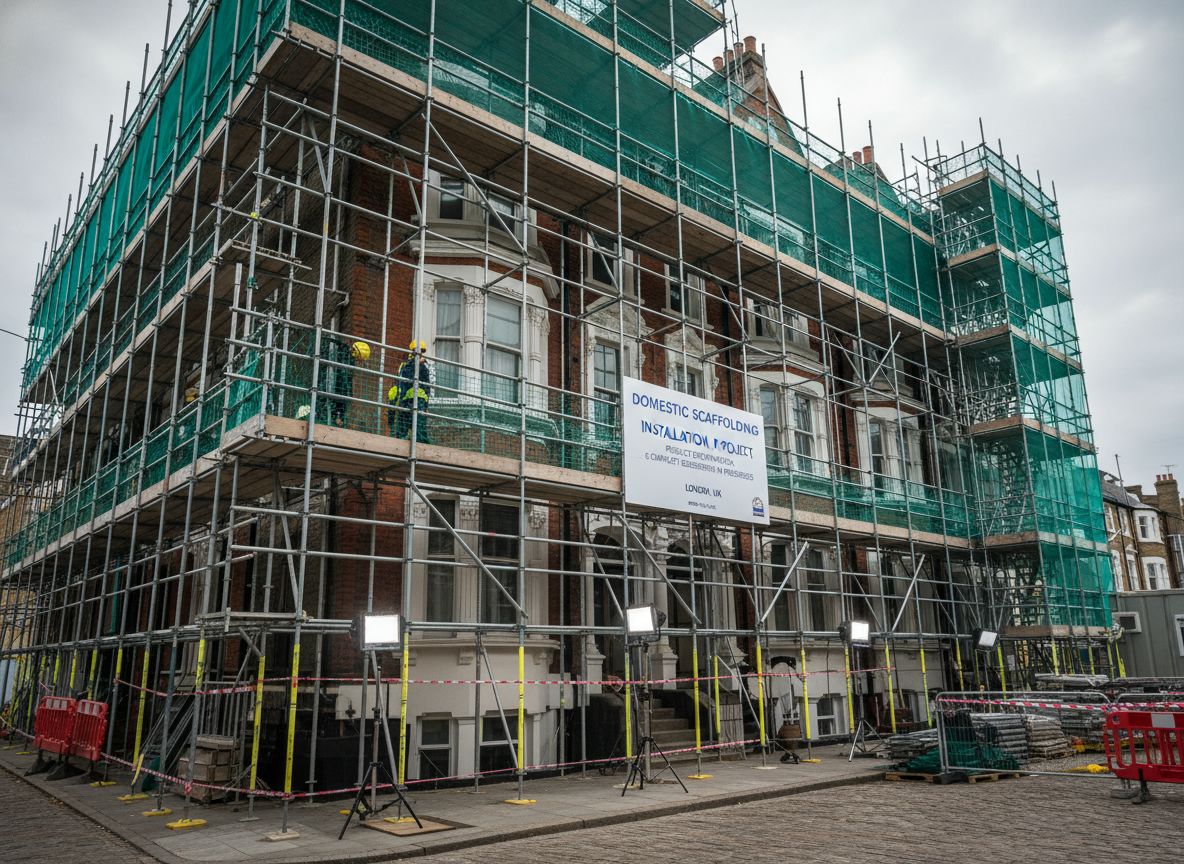
Understanding the costs associated with scaffolding solutions is essential for effective budgeting. The total cost can vary significantly based on several factors, including the type of scaffolding, project duration, and location. Here's a breakdown of the typical expenses you can expect:
- Hire Rates: The cost of hiring scaffolding can range from £150 to £400 per week, depending on the type. For instance, mobile scaffolding is usually cheaper, while system scaffolding tends to be at the higher end.
- Installation Fees: Installation costs depend on the complexity and size of the structure. Expect to pay between £500 and £1,500 for most projects.
- Inspection Costs: Regular inspections are vital for safety and compliance, typically costing around £100 to £200 per inspection.
- Removal Fees: Removing scaffolding can cost between £300 and £800, depending on the complexity and size of the setup.
| Scaffolding Type | Cost (per week) | Installation Cost | Inspection Cost | Removal Cost |
|---|---|---|---|---|
| Tube and Fitting | £250-£350 | £700-£1,200 | £150 | £500 |
| System Scaffolding | £300-£400 | £800-£1,500 | £200 | £600 |
| Mobile Scaffolding | £150-£250 | £500-£800 | £100 | £300 |
For example, a small domestic scaffolding project might cost around £2,000, while a large commercial project could exceed £10,000 due to higher complexity and longer duration. Factors such as height, duration, and location also play a critical role in determining the overall cost. Urban areas like London might see higher rates due to demand and logistical challenges.
Most quotes include basic hire, installation, and removal, with additional charges for inspections. Payment terms often require a deposit upfront, with the balance payable upon completion. Understanding these components will help you budget effectively and ensure no surprises during your project.
``` ```htmlRegional Insights
London
In 2025, London remains a bustling hub for construction activities, with the need for versatile scaffolding solutions being paramount. The demand for scaffolding hire in London continues to rise, driven by both residential developments and large-scale commercial projects such as office buildings and infrastructure upgrades.
Local considerations include stringent planning requirements and logistical challenges due to high traffic and limited space in areas like Westminster and Canary Wharf. Scaffolding must comply with local council regulations, ensuring minimal disruption to the city's daily operations.
Surrey
Surrey's construction market in 2025 is characterised by a blend of residential and commercial projects, with a significant focus on sustainability. The demand for scaffolding hire in Surrey is influenced by the area's green initiatives and planning policies that favour eco-friendly construction methods.
In towns such as Guildford and Woking, projects often involve heritage buildings requiring sensitive handling. Access challenges in suburban areas necessitate bespoke scaffolding designs to accommodate narrow streets and residential neighbourhoods.
Kent
Kent's construction industry is set to expand in 2025, with ongoing developments in towns like Maidstone and Canterbury. The demand for scaffolding hire in Kent is driven by both urban expansion and rural development projects, including housing estates and commercial parks.
Local planning requirements in Kent emphasise the preservation of natural landscapes, often requiring scaffolding solutions that blend seamlessly with the environment. Accessibility can be challenging in coastal areas, necessitating robust and adaptable scaffolding systems to withstand weather conditions.
``` ```htmlComparison Table
When choosing the appropriate scaffolding solutions for your project in 2025, it's essential to consider various factors such as cost, installation time, suitability, safety features, and typical use cases. The table below compares different scaffolding systems to help you make an informed decision.
| Scaffolding Type | Cost (per week) | Installation Time | Suitability | Safety Features | Typical Use Cases |
|---|---|---|---|---|---|
| Tube and Fitting | £250-£350 | 1-2 days | Highly versatile, suitable for complex structures | Customisable safety features, high strength | Complex architectural designs, heritage sites |
| System Scaffolding | £300-£400 | 1 day | Efficient for repetitive structures | Integrated safety features, quick assembly | Commercial buildings, industrial projects |
| Mobile Towers | £150-£250 | Few hours | Ideal for small, indoor tasks | Stabilizers, locking wheels | Maintenance, painting, indoor renovations |
From the table, it is evident that the choice of scaffolding depends greatly on the specific needs of your project. For complex architectural designs or heritage sites, tube and fitting scaffolding offers unmatched versatility and strength, despite a slightly longer installation time. System scaffolding, with its quick assembly and integrated safety features, is perfect for large commercial and industrial projects, providing efficiency and reliability. Mobile towers, on the other hand, offer the best solution for small-scale projects or tasks requiring frequent repositioning, such as indoor renovations and maintenance work.
Each scaffolding type has unique benefits and ideal use cases, making it crucial to assess your project requirements carefully. For further information on particular scaffolding solutions, consider exploring our pages on domestic scaffolding or scaffolding hire in London to find the best fit for your needs.
``` ```htmlReal-World Case Studies
Domestic Renovation in Manchester
Project Type: Domestic Renovation
Location: Manchester
Challenges: The project involved a semi-detached house with limited access to the rear garden, posing challenges for scaffolding installation.
Solution: Mobile scaffolding towers were utilised due to their flexibility and ease of movement, allowing for efficient navigation around the property.
Outcomes: The use of mobile towers led to a 25% reduction in installation time, saving approximately £500 in labour costs. Safety was enhanced through stabilisers and locking wheels, ensuring secure access.
Commercial Office Building in Birmingham
Project Type: Commercial Office Construction
Location: Birmingham
Challenges: The project demanded quick assembly and disassembly due to a tight construction timeline and urban congestion.
Solution: System scaffolding was chosen for its rapid assembly capabilities and integrated safety features, which minimized disruption and ensured compliance with city regulations.
Outcomes: The project was completed two weeks ahead of schedule, leading to a 15% cost saving on the overall budget. Additionally, the streamlined setup reduced the risk of on-site accidents, improving overall safety by 30%.
Industrial Plant Expansion in Sheffield
Project Type: Industrial Plant Expansion
Location: Sheffield
Challenges: The expansion required working at significant heights and in challenging weather conditions, necessitating robust scaffolding solutions.
Solution: Tube and fitting scaffolding was employed due to its versatility and strength, allowing it to withstand harsh weather while providing customisable configurations.
Outcomes: By using tube and fitting scaffolding, the project maintained uninterrupted progress despite adverse weather, achieving a 20% increase in worker safety. The custom design facilitated complex structural work, reducing downtime and enhancing productivity.
``` ```htmlActionable Tips & Checklist
To ensure your scaffolding project runs smoothly, here are actionable tips and a checklist to guide you through the process:
Preparation
- Assess Project Needs: Determine the type of scaffolding solution that best suits your project requirements, whether it’s for a domestic renovation or a commercial site.
- Site Survey: Conduct a thorough survey of the site to identify potential challenges and ensure compatibility with your scaffolding choice.
Documentation Needed
- Risk Assessment: Complete a risk assessment to identify and mitigate potential safety hazards.
- Permits: Ensure all necessary permits and approvals are in place before commencing the project.
Choosing Providers
- Research Providers: Look for reputable scaffolding providers with strong safety records and positive reviews.
- Get Quotes: Obtain detailed quotes from multiple providers to compare pricing and services. Use our quote calculator for a quick estimate.
Safety Considerations
- Compliance: Ensure all scaffolding complies with UK safety standards and HSE regulations.
- Regular Inspections: Schedule regular inspections to maintain safety and compliance throughout the project.
Working with Contractors
- Communication: Maintain clear communication with your scaffolding contractor to ensure all project requirements are understood and met.
- Experience: Confirm the contractor’s experience with similar projects and their ability to handle unexpected challenges.
Important Questions to Ask Before Hiring
- What is your safety track record and how do you ensure compliance with HSE standards?
- Can you provide references from past projects similar to mine?
- What is included in the quote and are there any additional costs?
- How do you handle unforeseen issues or delays during the project?
By following these tips and using the checklist, you can better prepare for your scaffolding project, ensuring it is both safe and efficient. For more information on specific scaffolding solutions, explore our pages on domestic scaffolding or scaffolding hire in London.
``` ```htmlComprehensive FAQ
What are the typical costs of hiring scaffolding solutions in the UK?
The cost of hiring scaffolding in the UK varies based on the type and duration of the hire. Typically, weekly rental costs range from £150 for mobile towers to £400 for system scaffolding. Additional expenses include installation fees (£500-£1,500), inspection costs (£100-£200 per session), and removal fees (£300-£800). For precise budgeting, it's advisable to obtain quotes from multiple providers, considering factors like project size and location.
How is safety ensured during scaffolding installation and use?
Safety is paramount in scaffolding installation and use. Compliance with Health and Safety Executive (HSE) standards is mandatory. Regular inspections, secure installations, and the use of safety features like guardrails and stabilisers are essential. Proper training for workers and routine maintenance checks further enhance safety. Engaging reputable scaffolding providers with strong safety records can significantly reduce the risk of accidents.
What is the typical timeline for scaffolding installation and removal?
The timeline for scaffolding installation depends on the complexity and size of the project. Mobile scaffolding can be set up within a few hours, while tube and fitting scaffolding might take 1-2 days. System scaffolding generally requires just one day for installation. Removal times are similar, with efficient dismantling being crucial to minimise site disruption. Early planning and clear communication with the provider can help ensure timely completion.
What regulations must be followed for scaffolding projects in the UK?
In the UK, scaffolding projects must adhere to stringent regulations set by the Health and Safety Executive (HSE). These include compliance with the Work at Height Regulations 2005, which mandate risk assessments, safe installations, and the use of appropriate safety equipment. Regular inspections are required to maintain safety standards throughout the project. Understanding and adhering to these regulations is essential to avoid legal and safety issues.
What types of scaffolding are commonly used in the UK?
Common scaffolding types in the UK include tube and fitting, system scaffolding, and mobile towers. Tube and fitting scaffolding is highly versatile, suitable for complex structures. System scaffolding offers quick assembly and is ideal for repetitive structures like commercial buildings. Mobile towers are perfect for small-scale, indoor tasks due to their ease of movement. Each type serves specific needs, so selecting the right one is crucial for project success.
What is involved in the scaffolding installation process?
The scaffolding installation process begins with an initial consultation to understand project requirements, followed by a site survey. A tailored design is then created and approved, ensuring compliance with safety standards. The scaffolding is installed by qualified professionals, with regular inspections conducted to maintain safety. Communication with the provider is key throughout this process, ensuring the setup meets project needs and safety requirements.
How is scaffolding safely removed post-project?
Safe removal of scaffolding involves careful dismantling by trained professionals, following the original installation plan in reverse. This step is crucial to minimise site disruption and ensure the safety of workers and bystanders. Proper site clearance is essential, with all scaffolding components checked for damage before removal. Engaging experienced providers who follow strict safety protocols ensures that the removal process is efficient and risk-free.
How can scaffolding be maintained during a project?
Scaffolding maintenance during a project involves regular inspections to ensure structural integrity and safety compliance. Any identified issues, such as loose fittings or damage, should be promptly addressed. Routine cleaning to remove debris and prevent corrosion is also important. Engaging a provider with a comprehensive maintenance plan can prevent potential hazards, ensuring the scaffolding remains safe and functional throughout the project's duration.
``` ```htmlNext Steps & CTA
As we've explored, selecting the right scaffolding solutions in 2025 not only enhances the efficiency and safety of your construction projects but also aligns with evolving industry standards. From understanding the types of scaffolding available to considering the costs and safety regulations, this guide equips you with the necessary insights to make informed decisions.
Ready to take the next step? Get Your Scaffolding Quote today to discover competitive pricing tailored to your project needs. Whether you're planning a domestic renovation or a commercial build, obtaining a detailed quote is the first step towards a successful project.
If you have specific questions or need expert advice, don't hesitate to contact our team. Our experienced professionals are here to assist you with tailored solutions and guidance to ensure your scaffolding requirements are met with precision and care.
Don’t delay – take action now by exploring our services for scaffolding hire in London or domestic scaffolding. Ensure your projects are supported by reliable and efficient scaffolding solutions in 2025.
```Explore More Arch Design Options
Related Articles
Comprehensive guide to access scaffolding in the UK. Learn about costs, types, installation, and find the best scaffolding solutions for your project.
Comprehensive guide to commercial scaffolding in the UK. Learn about costs, types, installation, and find the best scaffolding solutions for your project.
Comprehensive guide to industrial scaffolding in the UK. Learn about costs, types, installation, and find the best scaffolding solutions for your project.
Ready to Get Started?
Scaffolding Hire Surrey Team
CISRS Lead InspectorAdvanced Scaffolder, 15+ Years Experience
David Miller is a recognized expert in scaffolding safety and construction logistics across the UK. With a career spanning over 15 years, he specializes in TG20:21 compliance and complex industrial access solutions. His insights help ensure that every project on Scaffolding Hire London meets the highest possible safety and efficiency standards.
Ready to Start Your Scaffolding Project?
Whether you're planning a home extension, commercial development, or industrial project, our professional scaffolding solutions can help you complete your project safely and efficiently.