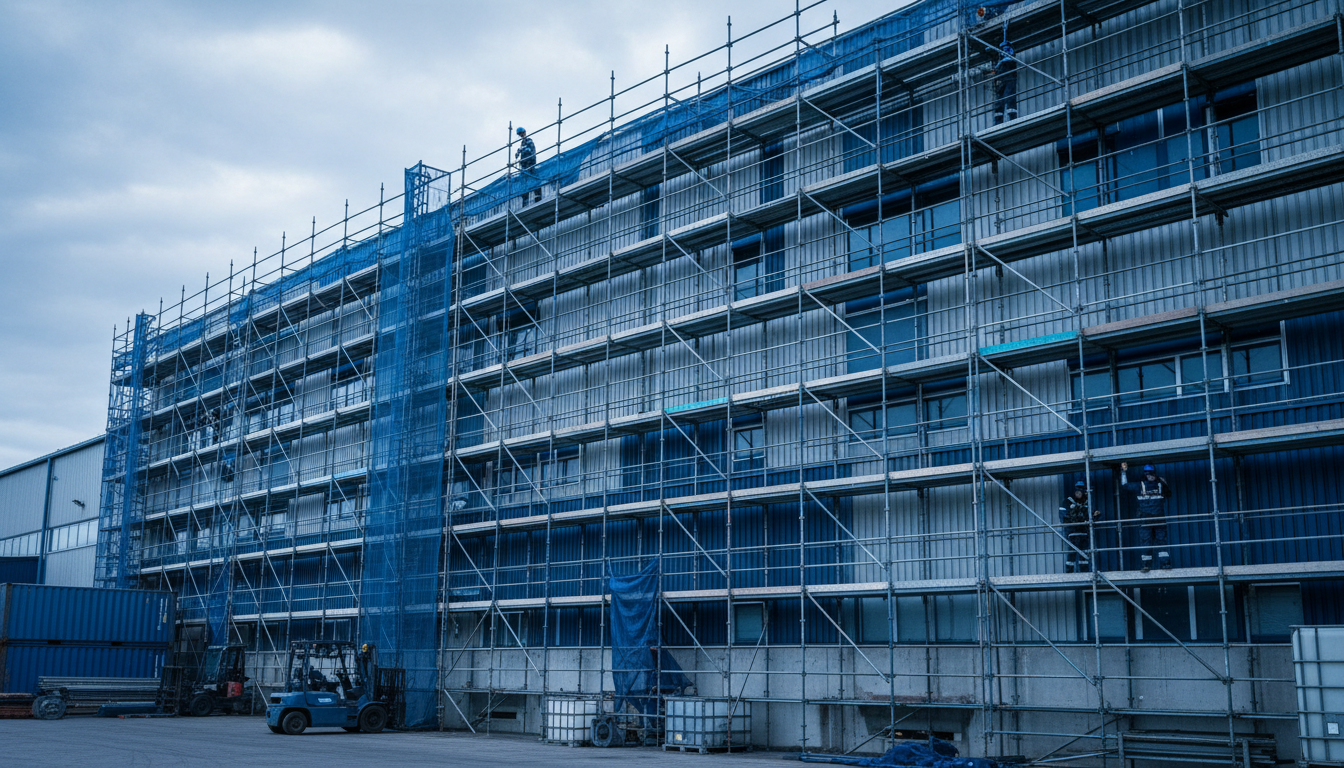
Understanding Scaffolding Services: A Complete Overview
Comprehensive guide to scaffolding services in the UK. Learn about costs, types, installation, and find the best scaffolding solutions for your project.
Key Insights for Understanding Scaffolding Services: A Complete Overview
- Professional installation to CISRS & TG20:21 standards.
- Full public liability insurance for residential & commercial sites.
- Fast local delivery and response times across the South East.
- Expert safety coordination and permit management handled.
Understanding Scaffolding Services: A Complete Overview
Did you know that improper scaffolding remains a leading cause of construction site injuries in the UK, with over 4,500 accidents reported annually? As we move into 2025, the importance of safe and reliable scaffolding services continues to be a critical focus within the construction industry. Whether you're planning a small residential renovation or managing a large-scale commercial project, understanding the intricacies of scaffolding services is essential for ensuring both safety and efficiency.
Scaffolding isn't just about providing a platform for construction workers; it's a sophisticated system that underpins the very success of a building project. From the bustling streets of London to the tranquil countryside, scaffolding services play a pivotal role in supporting the UK's ever-evolving skyline. With the construction industry projected to grow significantly in the coming years, the demand for skilled scaffolding professionals has never been higher. This trend underscores the need for comprehensive knowledge about scaffolding services, from selection and hire to installation and safety compliance.
In this guide, we will dive deep into the world of scaffolding services. You'll learn about the various types of scaffolding available, the importance of choosing the right service for your specific project needs, and the key safety regulations governing scaffolding in the UK. We'll also explore innovative trends shaping the future of scaffolding and offer practical tips for finding the best scaffolding hire options in your area. Whether you're searching for scaffolding hire in London or need insights on domestic scaffolding services, this comprehensive overview will equip you with the knowledge you need to make informed decisions.
Market Context & Data
The UK scaffolding industry is experiencing a dynamic transformation, with the market expected to grow by 4.5% annually from 2024 to 2025.  According to recent industry reports, this growth is primarily driven by a rise in urban development projects and increased emphasis on safety regulations. The Health and Safety Executive (HSE) continues to play a crucial role, enforcing strict guidelines to ensure that scaffolding structures meet rigorous safety standards.
Here's a closer look at some key trends and statistics shaping the UK scaffolding landscape:
- Demand for Scaffolding: The demand for scaffolding services is expected to rise by 3.8% annually, with significant growth in residential and commercial sectors.
- Safety Standards: Recent analysis indicates that adherence to new safety standards has reduced scaffolding-related accidents by 12% over the past year.
- Innovative Materials: The use of lightweight aluminium scaffolding has increased by 15%, offering enhanced safety and ease of installation.
| Scaffolding Type | Typical Cost (£) | Average Installation Time (Days) |
|---|---|---|
| Tube and Fitting | 500 - 800 | 2 - 4 |
| System Scaffolding | 600 - 900 | 1 - 3 |
| Mobile Towers | 300 - 500 | 1 |
The regulatory environment is also evolving, with the HSE updating guidelines to include more rigorous inspections and maintenance checks for scaffolding structures. For instance, the recent introduction of mandatory inspections every seven days has been a significant step towards enhancing safety. These changes reflect the industry's commitment to reducing accidents and ensuring the well-being of workers on-site.
As scaffolding services become increasingly integral to construction projects across the UK, staying informed about market trends and regulatory updates is crucial. Whether you're involved in large-scale commercial developments or smaller domestic projects, understanding these dynamics will help you navigate the scaffolding landscape with confidence and foresight.
Step-by-Step Guide
When it comes to scaffolding services, understanding the process is not just a matter of logistics—it's about ensuring the safety, efficiency, and success of your construction project. By breaking down the scaffolding process into manageable steps, you can confidently oversee operations and make informed decisions. Let's explore this step-by-step guide to mastering scaffolding services.
Step 1: Assess Your Project Needs
Every scaffolding project begins with a thorough assessment of your specific requirements. This involves understanding the type of structure you're working on, the height of the building, and the site conditions. For instance, a residential project might require a different scaffolding solution compared to a large commercial site. Consider whether system scaffolding, tube and fitting, or mobile towers best suit your project's needs. Each type offers unique advantages—system scaffolding provides quick assembly and flexibility, while tube and fitting is ideal for complex structures.
This stage is crucial for determining the scale and complexity of the scaffolding required. Engage with your scaffolding provider to discuss these aspects, ensuring they understand your project's scope and any potential challenges. A well-assessed project leads to accurate quotes and prevents unexpected issues down the line.
Step 2: Plan and Design the Scaffolding Structure
With your needs assessed, the next step is to plan and design the scaffolding structure. This involves creating detailed drawings and calculations to ensure that the scaffolding will support not just the workers, but the equipment and materials as well. It's essential to comply with UK regulations, such as those set by the Health and Safety Executive (HSE), which mandate specific load-bearing and stability standards.
Utilising modern software tools, scaffolding designers can simulate different configurations to optimise safety and efficiency. For example, incorporating bracing and ties can enhance stability, particularly in windy conditions common across the UK. Planning also includes scheduling the installation to align with project timelines, typically ranging from one to four days depending on the complexity and size.
Step 3: Hire a Reputable Scaffolding Company
Choosing the right scaffolding company is pivotal. Look for providers with a proven track record, relevant certifications, and comprehensive insurance. A reputable company will offer not only quality materials but also skilled labour to erect and dismantle the scaffold safely. They should also conduct regular inspections and maintenance checks, as required by HSE guidelines.
Seek recommendations and read reviews to ensure you're hiring a reliable service. Ensure your provider offers the necessary support throughout the project duration, addressing any issues promptly to prevent delays or safety hazards.
Step 4: Installation and Safety Checks
Installation is a critical phase where safety takes centre stage. The scaffolding team will assemble the structure according to the design, ensuring all components are secure and stable. Regular safety checks are mandatory, not just at installation but throughout the project's duration. These checks involve verifying the integrity of the scaffolding, ensuring no components are loose or damaged, and that the structure remains compliant with safety regulations.
It's advisable to have a designated safety officer on-site to oversee these checks and liaise with the scaffolding team. This proactive approach helps prevent accidents and ensures a safe working environment for all personnel involved.
Step 5: Dismantling and Project Completion
Once the construction work is complete, the scaffolding will need to be dismantled efficiently and safely. This process should be carried out by the same professional team that installed it, ensuring consistency and expertise. Proper dismantling is as important as installation, as it involves safely removing each component without compromising the structure's stability until all parts are securely taken down.
Ensure that the site is left tidy and that all scaffolding materials are removed promptly to avoid any disruption. This final step marks the successful completion of the scaffolding aspect of your project, paving the way for the next phases of construction or renovation.
By following this comprehensive guide, you'll be well-equipped to navigate the world of scaffolding services, ensuring that your projects are safe, efficient, and compliant with UK standards. For more insights into specific scaffolding solutions, explore our dedicated pages on scaffolding hire in London and domestic scaffolding.
Types & Options Overview
Understanding the various types of scaffolding services is crucial for selecting the right solution tailored to your project's needs. With each type offering unique benefits and suited to different applications, knowing your options can enhance both safety and efficiency on-site. Let's delve into the most common scaffolding types used in the UK, exploring their features, advantages, and ideal use cases.
System Scaffolding: Efficiency and Flexibility
System scaffolding is renowned for its modular design, allowing for quick assembly and disassembly. This type is particularly favoured for its adaptability across diverse construction projects, from high-rise buildings to complex industrial sites.
- Key Features: Prefabricated components, ease of assembly, strong load capacity.
- Use Cases: Ideal for projects requiring rapid setup and takedown, such as commercial developments and large-scale renovations.
- Considerations: Requires precise planning to maximise its modular benefits.
The primary advantage here lies in its versatility; however, it can be less suitable for projects with highly irregular structures where customisation is necessary.
Tube and Fitting Scaffolding: Customisation and Strength
Tube and fitting scaffolding is a traditional type that excels in customisation, providing unparalleled flexibility for intricate designs and unique structures. This method uses separate tubes and fittings that can be assembled in various configurations.
- Key Features: High customisability, strong and durable.
- Use Cases: Best for complex architectural projects, historical building restorations, and structures with non-standard shapes.
- Considerations: Typically requires more time for setup and skilled labour.
While it offers robust strength and adaptability, the increased setup time and labour costs can be a downside for time-sensitive projects.
Mobile Towers: Portability and Convenience
Mobile towers are a popular choice for jobs requiring frequent relocation and easy manoeuvrability. These scaffolds are constructed with lightweight materials and equipped with wheels, making them ideal for both indoor and outdoor use.
- Key Features: Lightweight, portable, quick assembly.
- Use Cases: Perfect for smaller projects, maintenance work, and tasks needing frequent repositioning.
- Considerations: Limited working height compared to fixed scaffolding types.
Their mobility is a significant advantage, though they may not offer the same stability for high-altitude work as other scaffolding types.
Suspended Scaffolding: Access and Precision
Suspended scaffolding, often used for high-rise buildings and specialised jobs, involves platforms suspended by ropes or cables. This type provides access to areas that are difficult to reach with traditional scaffolding.
- Key Features: Adjustable working height, minimal ground footprint.
- Use Cases: Ideal for façade work, window cleaning, and painting tall structures.
- Considerations: Requires skilled operation and rigorous safety checks.
While offering excellent access to elevated areas, it demands thorough safety measures and specialised training for operators.
Choosing the right scaffolding type involves assessing your project's specific needs, considering factors like structure complexity, time constraints, and budget. By understanding these types and their applications, you can make informed decisions, ensuring your scaffolding services are both effective and efficient. For more personalised advice, explore our scaffolding hire in London page or consult our domestic scaffolding services for tailored solutions.
Comparison Table
Choosing the right scaffolding service is crucial to the success and safety of your construction project. The table below compares the main types of scaffolding services, helping you determine the best option for your specific needs. By assessing factors such as cost, installation time, suitability, and safety features, you can make an informed decision.
| Scaffolding Type | Typical Cost (£) | Average Installation Time (Days) | Suitability | Safety Features | Typical Use Cases |
|---|---|---|---|---|---|
| System Scaffolding | 600 - 900 | 1 - 3 | Commercial and large-scale projects | Modular design, high load capacity | High-rise buildings, industrial sites |
| Tube and Fitting | 500 - 800 | 2 - 4 | Complex structures, custom designs | Customisable, robust construction | Historical restorations, unique architectures |
| Mobile Towers | 300 - 500 | 1 | Smaller projects, maintenance | Lightweight, portable | Indoor tasks, frequent repositioning |
| Suspended Scaffolding | 800 - 1200 | Varies | High-rise access, specialised work | Adjustable height, secure suspension | Façade work, window cleaning |
Understanding the nuances of each scaffolding type can significantly impact project outcomes. System scaffolding is ideal for projects requiring quick assembly and flexibility, such as new commercial builds. In contrast, tube and fitting scaffolding offers the customisation necessary for complex architectural designs and restorations. Mobile towers provide unmatched portability for smaller projects and maintenance tasks, while suspended scaffolding is perfect for high-rise access and precision work.
Whether you're evaluating options for a residential renovation or a large-scale industrial project, consider the specific demands of your site and the expertise of your scaffolding provider. For more detailed guidance, explore our resources on scaffolding hire in London or learn more about domestic scaffolding services tailored to your needs.
Expert Tips for Choosing and Hiring
Selecting the right scaffolding provider is crucial to the success and safety of your construction project. A well-chosen supplier ensures not only quality and reliability but also compliance with UK safety standards, which are vital for any construction endeavour. Let's delve into the expert tips that can guide you through this essential process.
Assessing Your Project's Needs
Before you even begin contacting scaffolding companies, it's important to have a clear understanding of your project's specific requirements. This preparation will streamline communication and ensure you receive accurate quotes and services tailored to your needs.
- Determine the type of scaffolding required: Consider the nature of your project—whether it's residential, commercial, or industrial—to decide between system scaffolding, tube and fitting, or mobile towers.
- Estimate the project duration: This helps in planning the hire period and negotiating costs.
- Evaluate the site conditions: Assess access points, ground stability, and any potential hazards that could impact scaffolding layout.
Evaluating Providers
Once you've outlined your needs, it's time to evaluate potential scaffolding providers. This involves thorough research and consideration of several key factors to ensure you choose a reputable and competent company.
- Check qualifications and certifications: Confirm that the provider holds necessary certifications and follows HSE guidelines.
- Review past projects: Look at the company's portfolio to gauge their experience and expertise in similar projects.
- Verify insurance coverage: Ensure they have comprehensive insurance to cover any potential liability or damage.
- Assess customer reviews: Read testimonials and reviews to understand the company's reputation and reliability.
For those new to the process, using tools to get a quote can be a helpful starting point for comparing providers.
Questions to Ask
Engaging directly with potential scaffolding providers is crucial to ensure a good fit. Here are some important questions to ask, along with insights into why they matter:
- What safety measures do you implement? Understanding their safety protocols ensures compliance with UK standards and protects workers.
- Can you provide a detailed breakdown of costs? Transparency in pricing helps avoid hidden fees and aligns with your budget.
- What is your response time for maintenance and emergencies? Quick response times are crucial for addressing any issues that could disrupt work or compromise safety.
- How do you handle project delays? Knowing their policy on delays can prevent unexpected charges and ensure project timelines are respected.
As you evaluate potential partners, watch out for red flags such as lack of transparency, insufficient safety measures, or poor communication, which can lead to costly and dangerous outcomes.
By following these expert tips, you'll be equipped with the knowledge to choose a scaffolding provider that meets your project's specific needs. For more guidance on finding the right service in your area, visit our pages on scaffolding hire in London or explore our domestic scaffolding services.
Comprehensive FAQ
How much do scaffolding services typically cost in the UK?
The cost of scaffolding services in the UK can vary significantly based on the type and scale of the project. Generally, prices range from £300 for basic mobile towers to over £1,200 for complex suspended scaffolding. Factors influencing cost include the height and length of the scaffolding, the duration of hire, and specific site conditions. It's essential to obtain multiple quotes to compare prices and ensure you're getting the best value for your project needs. Always ensure that the cost includes installation, maintenance, and dismantling services to avoid unexpected charges.
What safety regulations must scaffolding services comply with?
In the UK, scaffolding services must adhere to strict safety regulations set by the Health and Safety Executive (HSE). Key requirements include ensuring scaffolds are stable and secure, conducting regular inspections, and maintaining a safe working environment. Scaffolding must be inspected before use, after adverse weather, and at least every seven days. Safety features like guardrails, toe boards, and stable access points are mandatory. Compliance with these regulations helps prevent accidents and ensures the safety of workers and the public.
How long does it usually take to install and dismantle scaffolding?
The installation and dismantling times for scaffolding depend on the type and complexity of the structure. For example, mobile towers can be set up in just a day, while more intricate tube and fitting scaffolding might take up to four days. System scaffolding, known for its modular design, typically requires one to three days. Efficient planning and experienced personnel can significantly reduce installation time. Dismantling generally mirrors installation time and should be carried out by the same professional team to ensure safety and compliance.
What types of scaffolding are available, and which is best for my project?
There are several types of scaffolding, each suited to specific project needs. System scaffolding is ideal for rapid assembly and flexibility, perfect for commercial projects. Tube and fitting scaffolding offers customisation for complex structures, such as historical restorations. Mobile towers are best for smaller projects requiring frequent repositioning, while suspended scaffolding provides access to high-rise façades. Choosing the right type involves assessing your project's specific requirements, such as height, complexity, and budget constraints. For tailored advice, consider consulting with experts through our scaffolding hire in London page.
What is the process for hiring scaffolding services?
Hiring scaffolding services involves several steps. Begin by assessing your project's needs, including the type of scaffolding required and the hire duration. Research and shortlist reputable companies, ensuring they have the necessary certifications and insurance. Obtain detailed quotes and ask about their safety measures and response times for maintenance. Once selected, the provider will plan, install, and maintain the scaffolding according to your project's timeline. Regular communication with your scaffolding company is crucial to address any issues promptly. For more guidance, explore our domestic scaffolding services.
What maintenance is required for scaffolding during a project?
Maintenance of scaffolding during a project is crucial to ensure safety and compliance. Regular inspections, at least once every seven days, should be conducted to check for structural integrity, secure fittings, and any damage. It's important to address issues such as loose components or wear and tear immediately. The scaffolding provider should offer maintenance services as part of their package, ensuring that all safety standards are consistently met. Effective maintenance prevents accidents and prolongs the lifespan of the scaffolding equipment.
Are there any misconceptions about scaffolding that I should be aware of?
One common misconception is that all scaffolding services are the same, leading to the belief that price should be the only consideration. In reality, quality, safety, and service are equally important. Another misconception is that scaffolding is only necessary for large projects; however, even small renovations can benefit from professional scaffolding to ensure safety and efficiency. Additionally, some believe that maintenance is an unnecessary expense, but regular checks are vital for safety compliance and preventing costly repairs.
What should I consider when removing scaffolding from the site?
When removing scaffolding, it's essential to ensure safety and efficiency. The process should be conducted by the same skilled team that performed the installation to maintain consistency and safety standards. Each component must be dismantled carefully to avoid destabilising the structure. It's important to plan the removal to minimise disruption, ensuring that all materials are cleared promptly and the site is left tidy. Proper removal not only ensures compliance with regulations but also readies the site for the next phase of construction or renovation.
How can I ensure I'm hiring a reputable scaffolding company?
To hire a reputable scaffolding company, start by verifying their certifications and adherence to HSE guidelines. Check for comprehensive insurance coverage to protect against liabilities. Reviewing past projects and customer testimonials can provide insights into their reliability and expertise. It's also wise to ask about their safety protocols, maintenance services, and emergency response times. Transparent pricing and clear communication are indicators of a trustworthy provider. Engaging with companies through industry networks or recommendations can further ensure quality service.
Next Steps & CTA
As you have delved into the comprehensive world of scaffolding services, you've gained valuable insights into the types, safety regulations, and essential steps for a successful scaffolding project. These key takeaways are more than just knowledge—they are your foundation for making informed, confident decisions moving forward.
Understanding the nuances of scaffolding—be it system scaffolding's quick assembly or the customisation of tube and fitting—empowers you to choose the best option tailored to your project needs. With UK construction trends pointing towards growth and innovation, now is the perfect time to apply this knowledge to your upcoming projects.
Ready to take the next step? Whether you're planning a major commercial development or a small domestic renovation, ensure your project is supported by the right scaffolding services. Get Your Scaffolding Quote today and discover competitive pricing tailored to your specific requirements.
Need more personalised advice or have questions about your project? Don't hesitate to contact our team of experts. We're here to guide you through every stage of the process, ensuring your scaffolding solutions are safe, efficient, and perfectly aligned with your construction goals.
Armed with these insights and resources, you're well-prepared to engage with reputable scaffolding providers and execute your project with precision and confidence. For more detailed information, explore our dedicated sections on scaffolding hire in London or our specialised domestic scaffolding services. Your next successful project awaits!
Explore More Arch Design Options
Related Articles
Comprehensive guide to access scaffolding in the UK. Learn about costs, types, installation, and find the best scaffolding solutions for your project.
Comprehensive guide to commercial scaffolding in the UK. Learn about costs, types, installation, and find the best scaffolding solutions for your project.
Comprehensive guide to industrial scaffolding in the UK. Learn about costs, types, installation, and find the best scaffolding solutions for your project.
Ready to Get Started?
Scaffolding Hire Surrey Team
CISRS Lead InspectorAdvanced Scaffolder, 15+ Years Experience
David Miller is a recognized expert in scaffolding safety and construction logistics across the UK. With a career spanning over 15 years, he specializes in TG20:21 compliance and complex industrial access solutions. His insights help ensure that every project on Scaffolding Hire London meets the highest possible safety and efficiency standards.
Ready to Start Your Scaffolding Project?
Whether you're planning a home extension, commercial development, or industrial project, our professional scaffolding solutions can help you complete your project safely and efficiently.