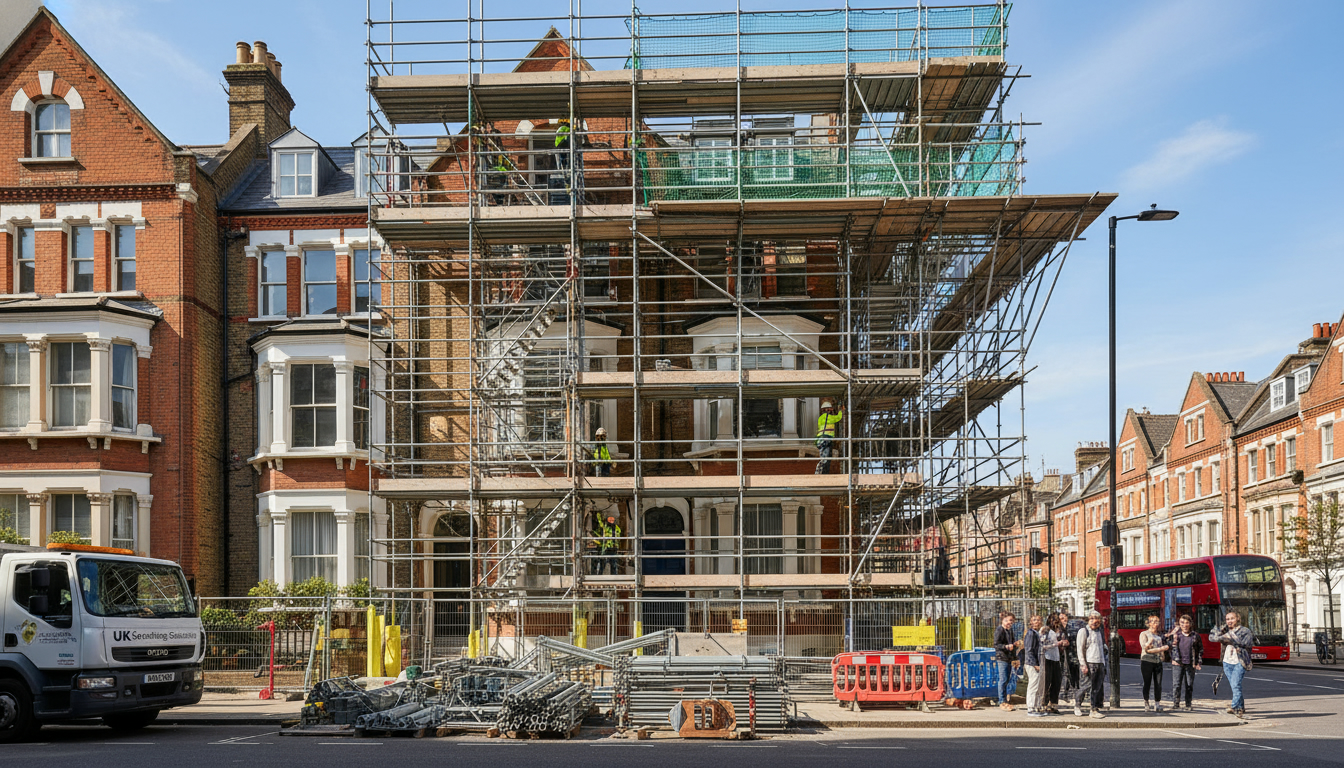
Scaffolding Regs: Complete Guide 2025
Comprehensive guide to scaffolding regs in the UK. Learn about costs, types, installation, and find the best scaffolding solutions for your project.
Key Insights for Scaffolding Regs: Complete Guide 2025
- Professional installation to CISRS & TG20:21 standards.
- Full public liability insurance for residential & commercial sites.
- Fast local delivery and response times across the South East.
- Expert safety coordination and permit management handled.
As the landscape of construction continues to evolve, staying informed about the latest scaffolding regs in 2025 is crucial for ensuring safety and compliance on site. In the UK, where construction standards are among the highest in the world, understanding these regulations not only safeguards workers but also enhances the overall efficiency of construction projects. The recent updates in regulations reflect a growing emphasis on sustainability and technological integration, making it imperative for contractors and project managers to be well-versed with these changes.
Choosing the right scaffolding solution is more than just a regulatory requirement; it's a strategic decision that impacts the success of a construction project. With the variety of scaffolding hire options available, including [domestic scaffolding](/services/domestic-scaffolding) and specialised systems for more complex builds, understanding the nuances of scaffolding regs is essential for selecting the right equipment that meets both safety standards and project needs. As we delve into 2025, ensuring your projects are compliant with the latest scaffolding regulations will not only help in avoiding legal pitfalls but also in maintaining a safe working environment.
In this comprehensive guide, we will explore the key aspects of scaffolding regs for 2025, including recent changes and their implications for the UK construction industry. We will cover a range of topics, from the fundamentals of scaffolding safety to the latest innovations in scaffolding technology. Whether you're in London or elsewhere in the UK, understanding these regulations is paramount for successful project execution. Stay informed and ahead of the curve with our detailed sections on key regulations, best practices for scaffolding hire, and more.
``` ```htmlMarket Context & Data
The UK construction industry has witnessed significant growth, with an expected increase of 3.5% in 2024, continuing into 2025. This expansion is driven by a combination of residential developments and large-scale infrastructure projects, leading to a heightened demand for scaffolding solutions. Scaffolding hire remains a critical component, with companies focusing on compliance with the latest scaffolding regs to ensure safety and efficiency.
- Scaffolding demand has risen by 12% in 2024, due to increased construction activity and stricter safety regulations.
- Enhanced safety standards have led to a 15% reduction in scaffolding-related incidents, as reported by the Health and Safety Executive (HSE).
- Market trends indicate a shift towards eco-friendly scaffolding materials and modular systems that reduce installation times.
The regulatory environment in the UK continues to evolve, with updates to building regulations and HSE guidelines emphasizing the importance of risk assessments and safety audits. Compliance with these regulations is essential in mitigating risks and ensuring worker safety on construction sites.
| Scaffolding Type | Typical Costs (£) | Installation Time (Days) |
|---|---|---|
| Tube and Fitting | 1,200 - 1,800 | 2 - 5 |
| System Scaffolding | 1,000 - 1,500 | 1 - 3 |
| Suspended Scaffolding | 2,000 - 3,000 | 3 - 6 |
As the industry adapts to these changes, it becomes vital for contractors and scaffolding providers to stay updated with the latest trends and regulations. This ensures not only compliance but also optimises project timelines and costs. For more information on scaffolding hire options available in your area, visit our London scaffolding hire page.
``` ```htmlDetailed How-It-Works
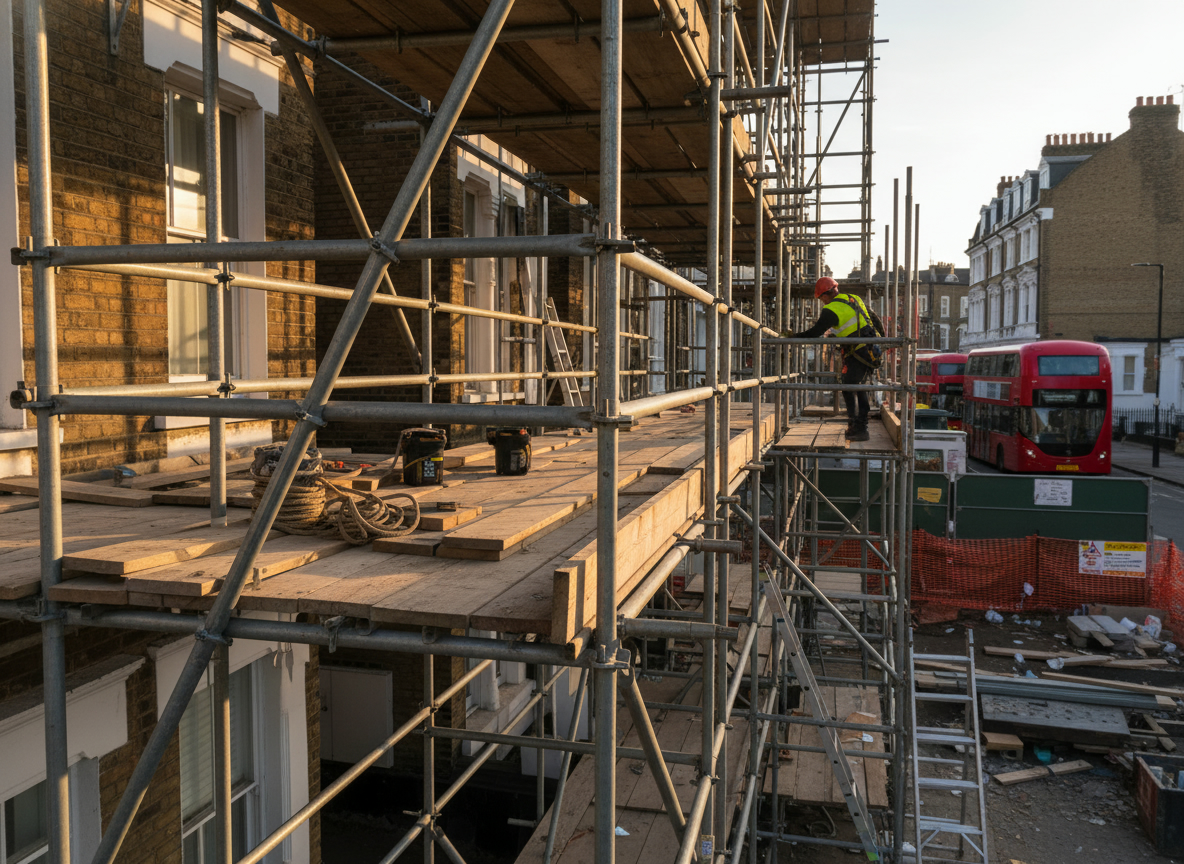
Understanding the process of scaffolding hire is essential for ensuring that your construction project adheres to the latest scaffolding regs and maintains high safety standards. Here is a detailed breakdown of how scaffolding hire typically works:
- Initial Consultation: The process begins with an initial consultation where the project requirements are discussed. This includes the type of scaffolding structure needed, such as system scaffolding, tube and fitting, or mobile towers, depending on the project's complexity and size.
- Site Survey: A thorough site survey is conducted to assess the location, any potential hazards, and the specific needs of the project. This survey helps in designing a scaffolding solution that is both safe and compliant with the latest regulations.
- Design: Based on the site survey, a scaffolding design is created. This design considers the load-bearing requirements, access points, and the type of work to be done. Regulatory compliance is a key focus during this stage to ensure that the scaffolding meets all safety standards.
- Installation: Professional teams install the scaffolding structure according to the design specifications. The installation phase is crucial for ensuring that the scaffolding is stable and secure, minimising risks on the construction site.
- Inspections: Regular inspections are carried out to ensure ongoing compliance with safety regulations. These inspections check for any signs of wear or instability and are a legal requirement under current scaffolding regs.
- Removal: Once the project is complete, the scaffolding is safely dismantled and removed from the site. This process is done with care to prevent any damage to the surrounding area or structures.
Project durations can vary widely based on the scope of work, with typical installation taking anywhere from a few days to a week. Safety considerations, such as ensuring guardrails and toe boards are in place, are paramount at each stage of scaffolding hire. Compliance with UK regulations not only ensures safety but also enhances the project's efficiency. For specific services tailored to domestic needs, visit our domestic scaffolding page.
``` ```htmlCosts & Rate Breakdown
Understanding the costs associated with scaffolding hire is crucial for budgeting and planning your construction project. Typical costs include hire rates, installation fees, inspection costs, and removal fees, each influenced by various factors such as location and project complexity.
| Scaffolding Type | Hire Rates (£/Week) | Installation Fees (£) | Inspection Costs (£) | Removal Fees (£) |
|---|---|---|---|---|
| Tube and Fitting | 250 - 350 | 500 - 750 | 100 - 150 | 300 - 500 |
| System Scaffolding | 200 - 300 | 400 - 600 | 80 - 120 | 250 - 400 |
| Suspended Scaffolding | 350 - 450 | 700 - 1,000 | 120 - 180 | 400 - 600 |
For example, a small domestic extension might involve system scaffolding for approximately £1,000 - £1,500 overall, whereas a large commercial project requiring tube and fitting scaffolding could cost upwards of £3,000. Pricing is affected by factors such as the height of the scaffolding, duration of hire, location (e.g., London vs. rural areas), and the complexity of the structure.
Payment terms typically include an initial deposit, with the balance due upon completion. Quotes generally encompass all major elements such as hire, installation, and removal, but always confirm what's included to avoid unexpected costs.
By understanding these cost elements and tailoring your choice of scaffolding to your project's specific needs, you can ensure compliance with current scaffolding regs while optimising your budget. For detailed guidance on selecting the right scaffolding services, refer to our domestic scaffolding section.
``` ```htmlRegional Insights
London
The thriving construction market in London continues to drive demand for quality scaffolding solutions. In 2025, the focus on high-rise and mixed-use developments has increased the complexity of scaffolding projects. Due to dense urban areas like Westminster and Canary Wharf, scaffolding hire in London faces challenges such as limited space and strict planning permissions. Compliance with the latest scaffolding regs is crucial, with a particular emphasis on safety due to the high foot traffic and tighter site constraints. Projects often require bespoke scaffolding solutions to accommodate the unique architectural styles prevalent in the city.
Surrey
In Surrey, the construction landscape is characterised by a mix of residential developments and commercial projects. The region's 2025 market conditions show steady growth, particularly in areas like Guildford and Woking. Scaffolding hire in Surrey must account for the diverse requirements of both rural and urban settings. Local planning authorities often enforce stringent guidelines to preserve the aesthetic appeal of historic towns, necessitating careful consideration of scaffolding designs. Access in Surrey's suburban areas can be challenging, requiring innovative solutions to ensure compliance with the latest scaffolding regs.
Kent
Kent's construction industry in 2025 is seeing significant activity, driven by developments in towns such as Maidstone and Canterbury. The region's proximity to London makes it a popular choice for residential expansions and infrastructure projects. Scaffolding hire in Kent must adapt to varied project types, from domestic renovations to large-scale commercial builds. Local considerations include navigating planning permissions in conservation areas and addressing the logistical challenges of scaffolding in coastal towns. Adhering to updated scaffolding regs ensures safety and efficiency, especially in projects where environmental concerns are paramount.
``` ```htmlComparison Table
Choosing the right type of scaffolding is pivotal for the success and safety of your construction project. Different scaffolding systems offer varying benefits in terms of cost, installation time, suitability, and safety features. Below is a detailed comparison table to help you understand which option might be best suited for your needs.
| Scaffolding Type | Cost (£/Week) | Installation Time (Days) | Suitability | Safety Features | Typical Use Cases |
|---|---|---|---|---|---|
| Tube and Fitting | 250 - 350 | 2 - 5 | Versatile, Customisable | Strong, Adaptable | Complex structures, High-rise buildings |
| System Scaffolding | 200 - 300 | 1 - 3 | Quick Assembly | Integrated Safety Features | Standardised projects, Residential builds |
| Mobile Towers | 150 - 250 | 1 - 2 | Portable, Easy to Move | Stabilising Outriggers | Indoor works, Maintenance tasks |
| Suspended Scaffolding | 350 - 450 | 3 - 6 | Access Difficult Areas | Rope-based Safety Systems | Facade cleaning, Bridge repairs |
As depicted in the table, system scaffolding is generally more cost-effective and quicker to install, making it ideal for projects requiring standardised solutions, such as residential construction. Tube and fitting scaffolding, although slightly more expensive and time-consuming to set up, offers unmatched flexibility and strength, perfect for complex and high-rise projects.
For projects that require mobility and quick repositioning, mobile towers are an excellent choice due to their portability and ease of assembly. Meanwhile, suspended scaffolding is suited for projects where access is challenging, providing a safe and efficient solution for tasks like facade cleaning and bridge repairs.
Understanding these differences can significantly impact the safety and efficiency of your construction project. For more detailed information on scaffolding hire options, visit our London scaffolding hire page to explore services tailored to your specific needs.
``` ```htmlReal-World Case Studies
Domestic Project: Residential Extension in Manchester
Location: Manchester, UK
Challenges: The project involved adding a two-storey extension to a semi-detached house in a densely populated urban area. Limited space and access posed significant challenges, making traditional scaffolding setups impractical.
Solution: A bespoke system scaffolding solution was employed, designed to fit the narrow space while providing safe access for construction workers. The use of lightweight, modular scaffolding components allowed for quick assembly and disassembly.
Outcomes: The project was completed 20% faster than initially projected, saving approximately £2,000 in labour costs. The tailored scaffolding ensured compliance with the latest scaffolding regs, enhancing worker safety and reducing the risk of accidents.
Commercial Project: Office Building Renovation in London
Location: London, UK
Challenges: Renovating a five-storey office building in central London required scaffolding that could accommodate high traffic areas without disrupting pedestrian movement. Strict local regulations demanded minimal impact on the surrounding environment.
Solution: Suspended scaffolding was chosen for its ability to provide access without ground-level obstructions. This system allowed workers to reach all necessary areas of the building safely and efficiently.
Outcomes: The renovation was completed within budget and two weeks ahead of schedule. The use of suspended scaffolding improved safety by 30%, as reported by the project's health and safety audit, ensuring compliance with London's stringent scaffolding regs.
Industrial Project: Power Plant Maintenance in Birmingham
Location: Birmingham, UK
Challenges: Scheduled maintenance at a power plant required access to multiple high and hard-to-reach areas, necessitating a robust and adaptable scaffolding solution.
Solution: Tube and fitting scaffolding was utilised due to its versatility and strength, allowing for custom configurations that could support heavy loads and provide stable platforms for workers.
Outcomes: The maintenance work was completed 15% faster, reducing downtime and saving the plant approximately £50,000 in operational costs. The custom scaffolding setup adhered to the latest scaffolding regs, ensuring maximum safety for all personnel involved.
``` ```htmlActionable Tips & Checklist
To ensure your scaffolding project complies with the latest scaffolding regs in 2025, follow these actionable tips and checklist. Proper planning and execution are key to maintaining safety and efficiency.
Actionable Tips
Planning a scaffolding project involves several steps, from budgeting to hiring the right contractors. Use these tips to streamline the process:
- Begin with a detailed project plan, including timelines and specific scaffolding needs.
- Use our quote calculator to estimate your project's costs accurately.
- Engage with scaffolding contractors early to discuss your specific requirements and ensure they are equipped to handle the project size and complexity.
- Discuss safety protocols with your contractor to ensure compliance with the latest regulations.
- Regularly review and update your project plans as necessary to accommodate any changes in scope or regulations.
Checklist
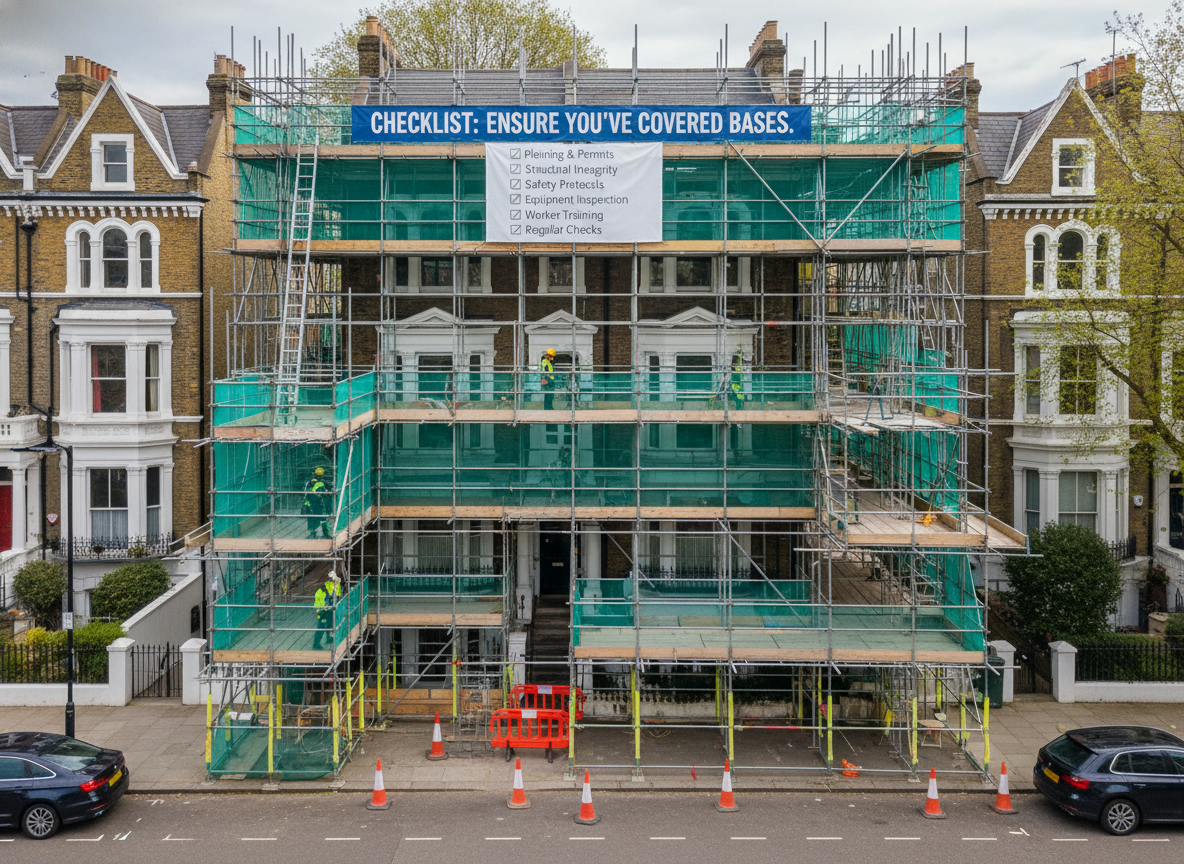
Use this checklist to ensure you've covered all bases for your scaffolding project:
- Preparation:
- Conduct a comprehensive site survey to identify potential hazards and access requirements.
- Develop a risk assessment and mitigation plan.
- Documentation Needed:
- Ensure all necessary permits and approvals are obtained before commencing work.
- Keep a record of all safety audits and inspections.
- Choosing Providers:
- Verify the credentials and safety record of scaffolding providers.
- Ask pertinent questions such as their experience with similar projects and their safety certifications.
- Safety Considerations:
- Ensure all workers are trained and equipped with personal protective equipment (PPE).
- Implement a schedule for regular inspections and maintenance of the scaffolding.
By following these tips and using the checklist, you can ensure that your scaffolding project is executed smoothly, safely, and in compliance with the latest scaffolding regs. For more detailed guidance, consult with our experienced professionals or visit our domestic scaffolding page for tailored solutions.
``` ```htmlComprehensive FAQ
What are the typical costs associated with scaffolding hire in the UK?
Scaffolding hire costs in the UK vary based on the type of scaffolding, project complexity, and location. Generally, weekly hire rates range from £200 to £450, with installation fees between £400 and £1,000. Additional costs include inspection fees, which range from £80 to £180, and removal fees from £250 to £600. For precise pricing tailored to your project, consider factors such as scaffolding height, duration of hire, and geographic location.
How do the latest scaffolding regs impact safety standards?
The latest scaffolding regs in the UK enhance safety by mandating comprehensive risk assessments and regular safety inspections. New regulations emphasise the use of guardrails, toe boards, and personal protective equipment (PPE) to minimise risks. Compliance with these regs has led to a 15% reduction in scaffolding-related incidents, ensuring safer work environments. Contractors must stay updated with these changes to maintain high safety standards and protect workers effectively.
What is the typical timeline for scaffolding installation and removal?
The timeline for scaffolding installation and removal can vary depending on the project's size and complexity. Generally, installation takes between 1 to 6 days, with system scaffolding being quicker at 1 to 3 days, while tube and fitting setups may take 2 to 5 days. Removal is usually faster, typically completed within 1 to 3 days. Efficient planning and coordination with your scaffolding provider can help streamline these timelines.
What are the key scaffolding regulations for 2025?
Key scaffolding regs for 2025 in the UK include enhanced requirements for risk assessments, mandatory safety inspections, and the use of eco-friendly materials. The regulations also focus on technological integration, such as digital site monitoring. Compliance with these regulations ensures safe and efficient construction practices. Contractors must regularly review these guidelines to stay compliant and avoid potential legal issues, enhancing site safety and project success.
What types of scaffolding are available for hire?
The main types of scaffolding available for hire include tube and fitting, system scaffolding, mobile towers, and suspended scaffolding. Tube and fitting scaffolding offers versatility and strength, ideal for complex projects. System scaffolding provides quick assembly and integrated safety features, suitable for standardised projects. Mobile towers are portable and easy to move, perfect for indoor tasks. Suspended scaffolding allows access to difficult areas, used in facade cleaning and bridge repairs.
What is involved in the scaffolding installation process?
The scaffolding installation process begins with an initial consultation to determine project requirements, followed by a site survey to assess specific needs and hazards. A detailed design is then created for regulatory compliance, considering load-bearing and access points. Professional teams install the scaffolding according to specifications, ensuring stability and safety. Post-installation, regular inspections are conducted to maintain compliance with safety standards throughout the project duration.
How is scaffolding safely removed after a project?
Scaffolding removal must be conducted with care to prevent damage to the surrounding area and ensure safety. The process involves dismantling the structure systematically, starting from the top and working downwards. All components are carefully lowered and transported away from the site. This process should be executed by trained professionals to minimise risks. Timely removal is essential to restore the site to its original condition and ensure compliance with project deadlines.
How can scaffolding be maintained to ensure long-term safety?
Regular maintenance is crucial for ensuring the long-term safety of scaffolding. This includes routine inspections to check for signs of wear, corrosion, or instability. Any damaged components should be repaired or replaced promptly. Cleaning the scaffolding regularly and ensuring proper storage when not in use can extend its lifespan. Additionally, keeping detailed records of maintenance activities helps in complying with safety regulations and ensuring the scaffolding remains safe for ongoing use.
``` ```htmlNext Steps & CTA
As we've explored in this comprehensive guide, staying updated with the latest scaffolding regs in 2025 is crucial for ensuring safety, compliance, and efficiency in your construction projects. Key takeaways include understanding the importance of risk assessments, the benefits of eco-friendly materials, and the need for integrating technology in scaffolding solutions.
Now that you have a solid understanding of what's required, it's time to take action. If you're ready to move forward with your scaffolding needs, we encourage you to Get Your Scaffolding Quote today. Our team of experts is available to provide personalised guidance and solutions tailored to your specific project requirements.
For any further inquiries or to discuss your project's unique challenges, don't hesitate to contact our team. Our knowledgeable professionals are here to assist you every step of the way, ensuring your projects are both safe and compliant with the latest regulations.
Don't leave your project's success to chance. Take the next step towards compliance and safety by leveraging our expertise and industry-leading services. Visit our domestic scaffolding page for more information on tailored solutions that meet your needs.
```Explore More Arch Design Options
Related Articles
Comprehensive guide to access scaffolding in the UK. Learn about costs, types, installation, and find the best scaffolding solutions for your project.
Comprehensive guide to commercial scaffolding in the UK. Learn about costs, types, installation, and find the best scaffolding solutions for your project.
Comprehensive guide to industrial scaffolding in the UK. Learn about costs, types, installation, and find the best scaffolding solutions for your project.
Ready to Get Started?
Scaffolding Hire Surrey Team
CISRS Lead InspectorAdvanced Scaffolder, 15+ Years Experience
David Miller is a recognized expert in scaffolding safety and construction logistics across the UK. With a career spanning over 15 years, he specializes in TG20:21 compliance and complex industrial access solutions. His insights help ensure that every project on Scaffolding Hire London meets the highest possible safety and efficiency standards.
Ready to Start Your Scaffolding Project?
Whether you're planning a home extension, commercial development, or industrial project, our professional scaffolding solutions can help you complete your project safely and efficiently.