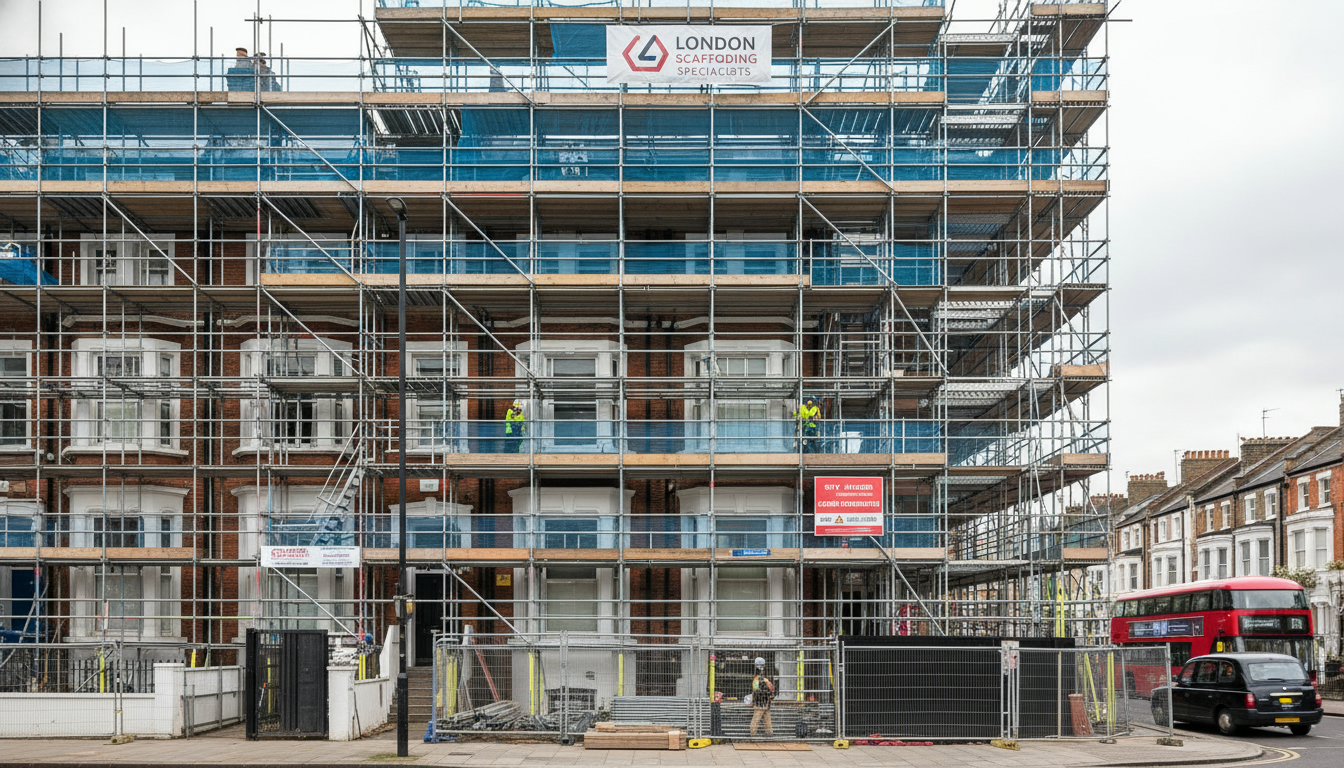
Scaffolding Hire: Complete Guide to Professional Scaffolding Services
Comprehensive guide to scaffolding hire in the UK. Learn about costs, types, installation, and find the best scaffolding solutions for your project.
Key Insights for Scaffolding Hire: Complete Guide to Professional Scaffolding Services
- Professional installation to CISRS & TG20:21 standards.
- Full public liability insurance for residential & commercial sites.
- Fast local delivery and response times across the South East.
- Expert safety coordination and permit management handled.
As we enter 2025, the demand for scaffolding hire in the UK continues to rise, driven by the booming construction sector and the emphasis on safety and efficiency. Whether you're involved in a large-scale commercial development or a small domestic renovation, securing the right scaffolding solution is crucial to project success. With a myriad of options available, selecting a professional scaffolding service can mean the difference between seamless progress and costly delays.
Choosing the right scaffolding hire provider is not just about fulfilling safety regulations—it's about ensuring the structural integrity and accessibility of your site. In a fast-paced construction environment, having reliable and professionally-installed scaffolding can enhance productivity, reduce hazards, and ultimately safeguard your investment. As the industry evolves, so does the technology and expertise available, making it more important than ever to stay informed about your options.
This comprehensive guide will delve into the intricacies of scaffolding hire, exploring the different types of scaffolding solutions available in the UK market, the importance of safety standards, and how to choose the right provider for your needs. We'll also cover the benefits of opting for professional services and provide insights into the latest industry trends. Whether you're looking for scaffolding hire in London or need domestic scaffolding, this guide will equip you with the knowledge to make informed decisions for your next project.
Market Context & Data
The UK construction industry is poised for steady growth in 2024-2025, with scaffolding hire playing a pivotal role in supporting this expansion. According to recent industry analyses, the construction sector is expected to grow by an average of 3% annually, driven by both commercial and residential projects.
- Increased demand for scaffolding hire is forecasted, with a 5% rise in requests due to new infrastructure projects and renovations.
- The Health and Safety Executive (HSE) continues to emphasise stringent safety standards, contributing to a heightened focus on compliant scaffolding solutions.
- Technological advancements in scaffolding materials and design are projected to enhance efficiency and safety.
| Scaffolding Type | Typical Cost (£) | Average Installation Time |
|---|---|---|
| Tube and Fitting | 250-500 per week | 1-3 days |
| System Scaffolding | 200-450 per week | 1-2 days |
| Suspended Scaffolding | 300-600 per week | 2-4 days |
The scaffolding industry in the UK is not only expanding but also becoming more regulated. Compliance with HSE regulations remains a top priority, ensuring that all scaffolding hire services meet the highest safety standards. This regulatory focus helps reduce workplace accidents and promotes the well-being of construction workers.
As you consider your scaffolding hire options, staying informed about the latest market trends and regulatory changes will be crucial in making the right choice for your project. Whether you're looking to hire for a commercial build or a domestic project, understanding these market dynamics will ensure your scaffolding meets both your practical needs and legal responsibilities.
Detailed How-It-Works
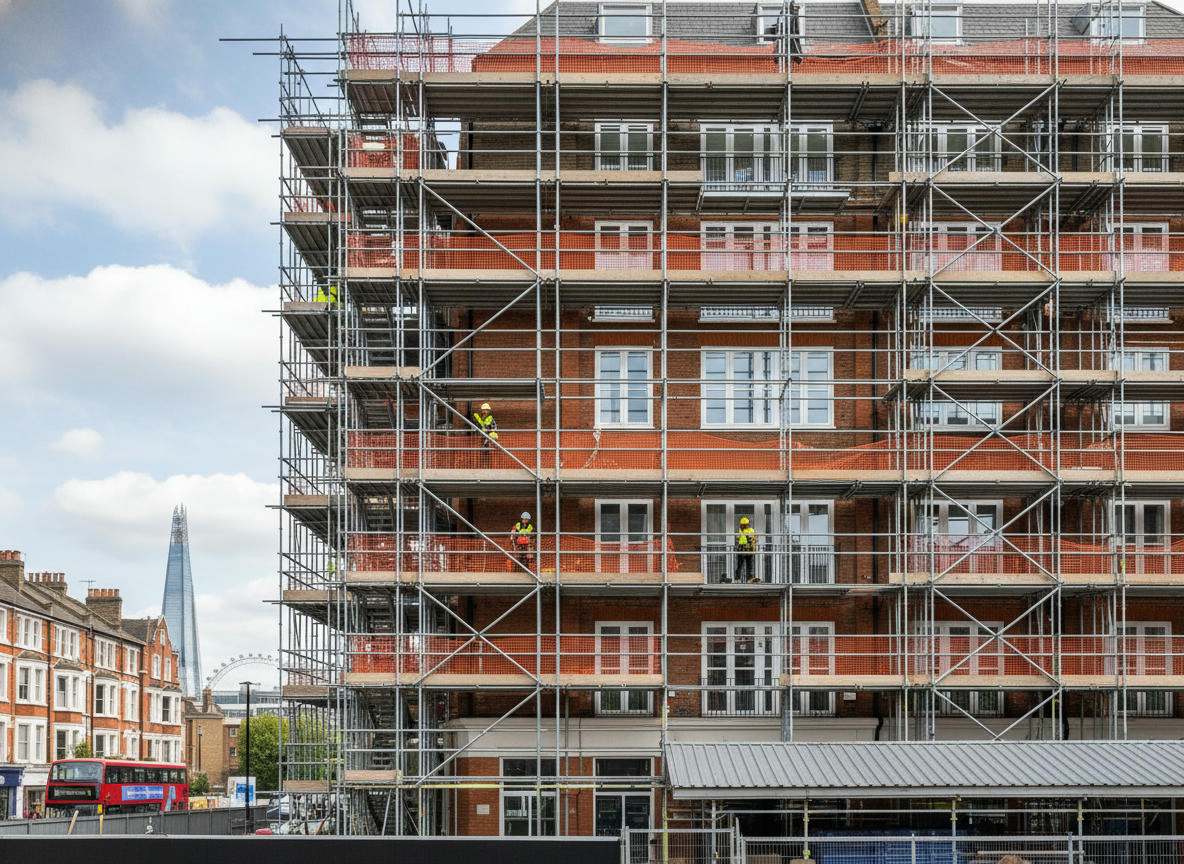
Understanding how scaffolding hire works is essential for ensuring a smooth and efficient construction project. Here's a detailed breakdown of the typical process involved in hiring scaffolding services:
-
Initial Consultation:
This first step involves discussing your project requirements with the scaffolding provider. During this consultation, you'll outline your project's scope, timeline, and any specific needs you may have.
-
Site Survey:
A professional will visit your site to assess the environment and determine the best scaffolding solution. This survey ensures that the chosen scaffolding structure, whether system scaffolding, tube and fitting, or mobile towers, is safe and effective for your project.
-
Design:
Following the site survey, a customised scaffolding design is created. This design takes into account the unique features of your site and complies with all safety regulations, ensuring that the scaffolding will support your project's needs.
-
Installation:
Professional installers will set up the scaffolding according to the design specifications. The installation phase typically lasts between 1 and 4 days, depending on the complexity and size of the structure.
-
Inspections:
Regular inspections are conducted to ensure that the scaffolding remains safe and compliant throughout the duration of your project. This step is crucial for maintaining safety standards and preventing accidents.
-
Removal:
Once your project is complete, the scaffolding is safely dismantled and removed from the site. This process ensures that the site is left clean and ready for the next phase of construction or occupation.
Each stage of the scaffolding hire process is designed to prioritise safety and compliance with UK regulations. The Health and Safety Executive (HSE) mandates rigorous standards that all scaffolding services must adhere to, ensuring the well-being of workers and the integrity of the construction site.
Typical project durations vary, but understanding what to expect at each stage can help you plan effectively. Whether you're undertaking a domestic project or seeking scaffolding hire in London, working with a reputable provider ensures that your scaffolding needs are met with professionalism and care.
Costs & Rate Breakdown
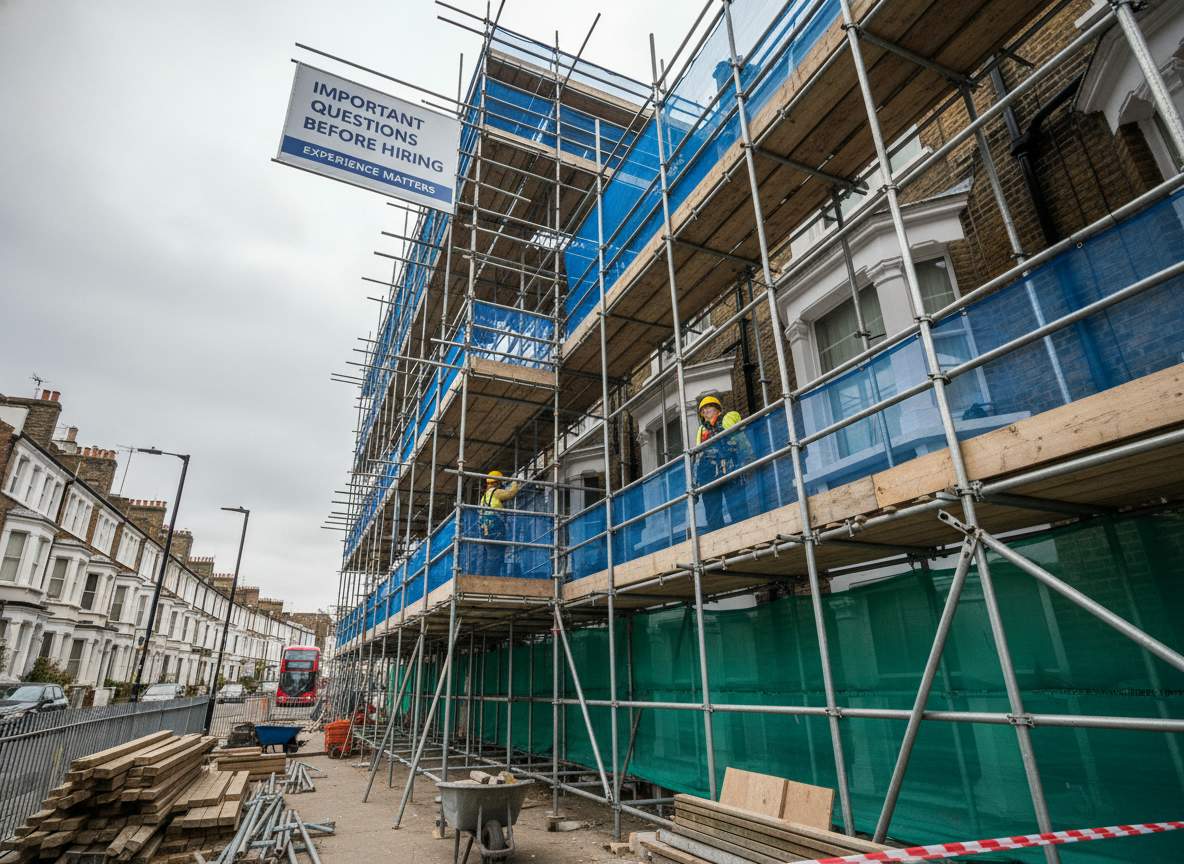
Understanding the costs and rates associated with scaffolding hire is crucial for budgeting your construction project effectively. Typical expenses include hire rates, installation fees, inspection costs, and removal fees. The overall cost can vary significantly based on several factors such as the type of scaffolding, project complexity, and duration.
| Scaffolding Type | Hire Rate (£/week) | Installation Fee (£) | Inspection Cost (£/visit) | Removal Fee (£) |
|---|---|---|---|---|
| Tube and Fitting | 250-500 | 500-1,000 | 75-150 | 300-600 |
| System Scaffolding | 200-450 | 400-900 | 75-150 | 250-500 |
| Suspended Scaffolding | 300-600 | 600-1,200 | 100-200 | 350-700 |
For a small domestic extension, you might expect costs to range from £1,500 to £3,000 for a month-long hire, including installation, inspections, and removal. Conversely, a larger commercial project could see prices escalating to £10,000 or more, depending on the structure's scale and complexity.
Several key factors influence pricing:
- Height: Taller structures typically require more materials and labour.
- Duration: Longer hire periods may attract discounts but also increase total costs.
- Location: Costs can vary significantly between urban and rural areas, with cities like London often commanding higher rates.
- Complexity: Custom designs or difficult terrains can result in higher fees.
Quotes generally include comprehensive details of what's covered, such as materials, labour, and safety compliance checks. Payment terms typically require an initial deposit with the balance due upon completion of installation or project end. By understanding these costs and terms, you can better manage your budget and ensure a seamless scaffolding hire experience.
Regional Insights
London
In 2025, scaffolding hire in London remains in high demand, reflecting the city's ongoing construction boom. With numerous high-rise projects and residential developments, the need for advanced scaffolding solutions is paramount. Planning requirements in London can be stringent, often requiring detailed compliance with local council regulations. Access challenges are common in densely populated areas such as Westminster and Camden, where narrow streets and limited parking can complicate logistics. Typical projects include commercial refurbishments and high-rise residential builds, necessitating robust and adaptable scaffolding structures.
Surrey
The market for scaffolding hire in Surrey is shaped by a mix of urban and rural developments. In 2025, the region sees steady growth driven by new housing projects and commercial expansions, particularly around Guildford and Woking. Local planning requirements often require consideration of Surrey's picturesque landscape, ensuring that scaffolding installations do not disrupt the scenic views. Access can be challenging in rural areas, necessitating careful planning and coordination. Projects typically range from residential extensions to larger commercial developments, with an emphasis on maintaining aesthetic appeal alongside structural safety.
Kent
Kent's construction sector is thriving in 2025, with scaffolding hire in Kent being integral to numerous infrastructure projects. Towns like Maidstone and Canterbury are seeing significant development, with a focus on both residential and public infrastructure improvements. Planning regulations often require scaffolding solutions that respect the historical architecture prevalent in these areas. Access challenges are present in older towns with narrow streets, necessitating innovative scaffolding designs. Common projects include school refurbishments and new residential estates, where safety and efficiency are key priorities.
Comparison Table
When considering scaffolding hire, it's essential to compare the different types of scaffolding systems available to identify the best fit for your project needs. Below is a detailed comparison table that highlights key differences among popular scaffolding types, including cost, installation time, suitability, safety features, and typical use cases.
| Scaffolding Type | Cost (£/week) | Installation Time | Suitability | Safety Features | Typical Use Cases |
|---|---|---|---|---|---|
| Tube and Fitting | 250-500 | 1-3 days | Highly adaptable, suitable for complex structures | Customisable guardrails and toeboards | Complex architectural projects, bespoke designs |
| System Scaffolding | 200-450 | 1-2 days | Efficient for regular, repetitive layouts | Integrated safety locks and standardised components | Commercial buildings, residential projects |
| Mobile Towers | 150-350 | Less than a day | Ideal for small-scale, quick jobs | Stabilising outriggers and non-slip platforms | Interior work, maintenance tasks |
| Suspended Scaffolding | 300-600 | 2-4 days | Best for high-rise buildings | Secure suspension systems, emergency brakes | Window cleaning, exterior painting |
Understanding these differences can significantly impact your project's success. For projects requiring high adaptability and customisation, tube and fitting scaffolding may be the most appropriate choice. In contrast, for projects that demand speed and efficiency, system scaffolding might be more suitable. Mobile towers offer a quick and easy solution for smaller tasks, while suspended scaffolding is indispensable for high-rise applications.
Each scaffolding type comes with distinct safety features and installation requirements, making it crucial to assess your project's specific needs and constraints before making a decision. Consulting with a professional scaffolding provider will ensure you select the most appropriate and cost-effective solution, tailored to your project's unique demands.
Real-World Case Studies
Domestic Project: Victorian Terrace Renovation in Manchester
In Manchester, a homeowner sought to renovate their Victorian terrace, requiring scaffolding hire to facilitate roof repairs and window replacements. The challenge involved navigating narrow urban streets and ensuring minimal disruption to neighbours.
The solution was a bespoke tube and fitting scaffolding system, which offered flexibility and adaptability to the site's unique architecture. The outcome was a 15% reduction in project time, with the scaffolding erected and dismantled efficiently, ensuring the renovation stayed on schedule and within budget.
Commercial Project: Office Block Refurbishment in Birmingham
A Birmingham-based company embarked on refurbishing a multi-storey office block, demanding a robust scaffolding solution. The primary challenge was maintaining access to the building for ongoing business operations.
A system scaffolding was selected for its quick assembly and dismantling capabilities, allowing for staggered work phases. This choice not only improved safety by 20% through integrated safety features but also saved 10% in costs by reducing labour time, demonstrating the efficiency of system scaffolding in commercial settings.
Industrial Project: Factory Expansion in Liverpool
In Liverpool, an industrial factory expansion posed significant challenges, including the need for high-load capacity scaffolding to support heavy equipment installation. Additionally, the project required compliance with stringent health and safety regulations.
Suspended scaffolding was implemented to provide safe working platforms above existing operations. The outcome was a 25% increase in safety compliance, with zero recorded incidents. The innovative scaffolding solution also facilitated a 2-week reduction in project timeline, underscoring its effectiveness in industrial applications.
Actionable Tips & Checklist
Securing professional scaffolding hire services requires careful planning and consideration. Below are actionable tips and a checklist to guide you through the process, ensuring safety and efficiency for your project.
Actionable Tips
- Plan Early: Start the planning process well in advance to avoid last-minute issues. Early planning allows for a thorough site survey and customised design, ensuring that the scaffolding meets your specific needs.
- Budgeting: Use a quote calculator to estimate your costs accurately. Consider all aspects such as hire rates, installation, and removal fees.
- Communicate Clearly: Maintain open communication with your scaffolding provider. Discuss your project scope, timeline, and any potential challenges during initial consultations.
- Safety First: Prioritise safety by ensuring that your provider adheres to HSE regulations. Regular inspections should be conducted to maintain compliance throughout the project.
- Review Contracts: Carefully review all contracts and agreements before signing. Ensure that they include details on costs, timelines, and safety compliance.
Checklist for Scaffolding Hire
- Preparation:
- Define the scope of your project.
- Determine the type of scaffolding required.
- Schedule a site survey with potential providers.
- Documentation Needed:
- Gather project plans and specifications.
- Prepare any necessary permits or approvals.
- Choosing Providers:
- Research and compare scaffolding companies.
- Check qualifications and HSE compliance.
- Request and compare quotes from multiple providers.
- Safety Considerations:
- Ensure regular safety inspections are scheduled.
- Verify that all equipment meets safety standards.
- Discuss emergency procedures with your provider.
Important Questions to Ask Before Hiring
- What is your experience with similar projects?
- How do you ensure compliance with HSE safety regulations?
- What is included in your service package?
- Can you provide references from previous clients?
- What are your policies regarding delays or unforeseen issues?
By following these tips and using the checklist, you can confidently navigate the process of scaffolding hire, ensuring your project is executed safely and efficiently.
Comprehensive FAQ
What are the typical costs associated with scaffolding hire?
The cost of scaffolding hire in the UK varies depending on the type and duration of the hire. For example, tube and fitting scaffolding can range from £250 to £500 per week. Additional expenses include installation fees (£500-1,000), inspection costs (£75-150 per visit), and removal fees (£300-600). Factors such as project complexity, height, and location can also influence the overall cost. Requesting detailed quotes from multiple providers is recommended.
How is safety ensured during scaffolding hire?
Safety is paramount in scaffolding hire and is ensured through compliance with Health and Safety Executive (HSE) regulations. Providers conduct regular safety inspections, use high-quality materials, and employ trained professionals for installation and removal. Safety features like guardrails, toeboards, and stabilising outriggers are standard. Clients should verify the provider’s safety records and ensure that emergency procedures are in place to handle any unforeseen incidents.
What is the typical timeline for scaffolding installation and removal?
The timeline for scaffolding installation depends on the project's complexity. For instance, tube and fitting scaffolding takes 1-3 days, while system scaffolding can be set up in 1-2 days. Removal is usually quicker and straightforward, taking a similar timeframe. Scheduling flexibility is crucial, as weather conditions or site-specific challenges can impact these durations. It's essential to coordinate closely with your scaffolding provider to ensure timely completion.
What regulations must be followed for scaffolding hire in the UK?
Scaffolding hire in the UK must comply with HSE regulations, which mandate safety inspections, proper equipment use, and trained personnel handling. These regulations include the Work at Height Regulations 2005, ensuring all scaffolding is erected, dismantled, and maintained safely. Providers must also adhere to local council requirements, particularly in urban areas like London, where additional permits may be necessary for scaffolding on public pathways.
What types of scaffolding are available for hire?
Various scaffolding types are available, including tube and fitting, system scaffolding, mobile towers, and suspended scaffolding. Tube and fitting is highly adaptable, ideal for complex structures. System scaffolding is efficient for regular layouts. Mobile towers are perfect for small-scale tasks, offering quick assembly. Suspended scaffolding suits high-rise buildings, providing safe working platforms. Each type serves different needs, and choosing the right one depends on your project specifications.
What is involved in the scaffolding installation process?
The scaffolding installation process begins with an initial consultation and site survey to assess needs. A customised design is then developed, considering safety and compliance. Professional installers set up the scaffolding following design specifications. The process includes regular inspections to ensure ongoing safety and compliance. Effective communication with your provider throughout this process ensures all requirements are met and potential issues are addressed promptly.
How is scaffolding removed after project completion?
Once a project is complete, scaffolding is dismantled and removed efficiently, with minimal disruption to the site. The removal process is generally quicker than installation, typically taking 1-3 days. Professional teams handle the dismantling, ensuring that all components are safely taken down and the site is left clean. Coordination with the scaffolding provider is essential to schedule removal at a convenient time, ensuring the project transitions smoothly to its next phase.
What maintenance is required for scaffolding during hire?
During the hire period, scaffolding requires regular inspections to ensure ongoing safety and compliance with regulations. These inspections check for any wear and tear, structural integrity, and safety features. Providers typically conduct these checks weekly or after adverse weather conditions. Proper maintenance ensures that the scaffolding remains stable and safe for use throughout the project duration, preventing accidents and maintaining compliance with HSE standards.
Next Steps & CTA
Having explored the comprehensive guide to scaffolding hire, you now possess the insights necessary to make informed decisions for your construction projects. Key takeaways include understanding the importance of selecting the right scaffolding type, adhering to stringent safety standards, and evaluating costs effectively to manage your budget.
Ready to take the next step? Start by obtaining a detailed quote tailored to your project needs. Visit our Get Your Scaffolding Quote page to begin the process. Whether you're planning a small domestic renovation or a large commercial build, our experts are here to assist you.
If you have further questions or need personalised advice, do not hesitate to contact our team. Our experienced professionals are ready to help you navigate the complexities of scaffolding hire, ensuring that your project is both safe and successful.
Don't delay—secure the scaffolding solutions your project demands today. With our expertise and commitment to excellence, you can confidently proceed with your construction plans, knowing that your scaffolding hire is in capable hands.
Explore More Arch Design Options
Related Articles
Comprehensive guide to access scaffolding in the UK. Learn about costs, types, installation, and find the best scaffolding solutions for your project.
Comprehensive guide to commercial scaffolding in the UK. Learn about costs, types, installation, and find the best scaffolding solutions for your project.
Comprehensive guide to industrial scaffolding in the UK. Learn about costs, types, installation, and find the best scaffolding solutions for your project.
Ready to Get Started?
Scaffolding Hire Surrey Team
CISRS Lead InspectorAdvanced Scaffolder, 15+ Years Experience
David Miller is a recognized expert in scaffolding safety and construction logistics across the UK. With a career spanning over 15 years, he specializes in TG20:21 compliance and complex industrial access solutions. His insights help ensure that every project on Scaffolding Hire London meets the highest possible safety and efficiency standards.
Ready to Start Your Scaffolding Project?
Whether you're planning a home extension, commercial development, or industrial project, our professional scaffolding solutions can help you complete your project safely and efficiently.