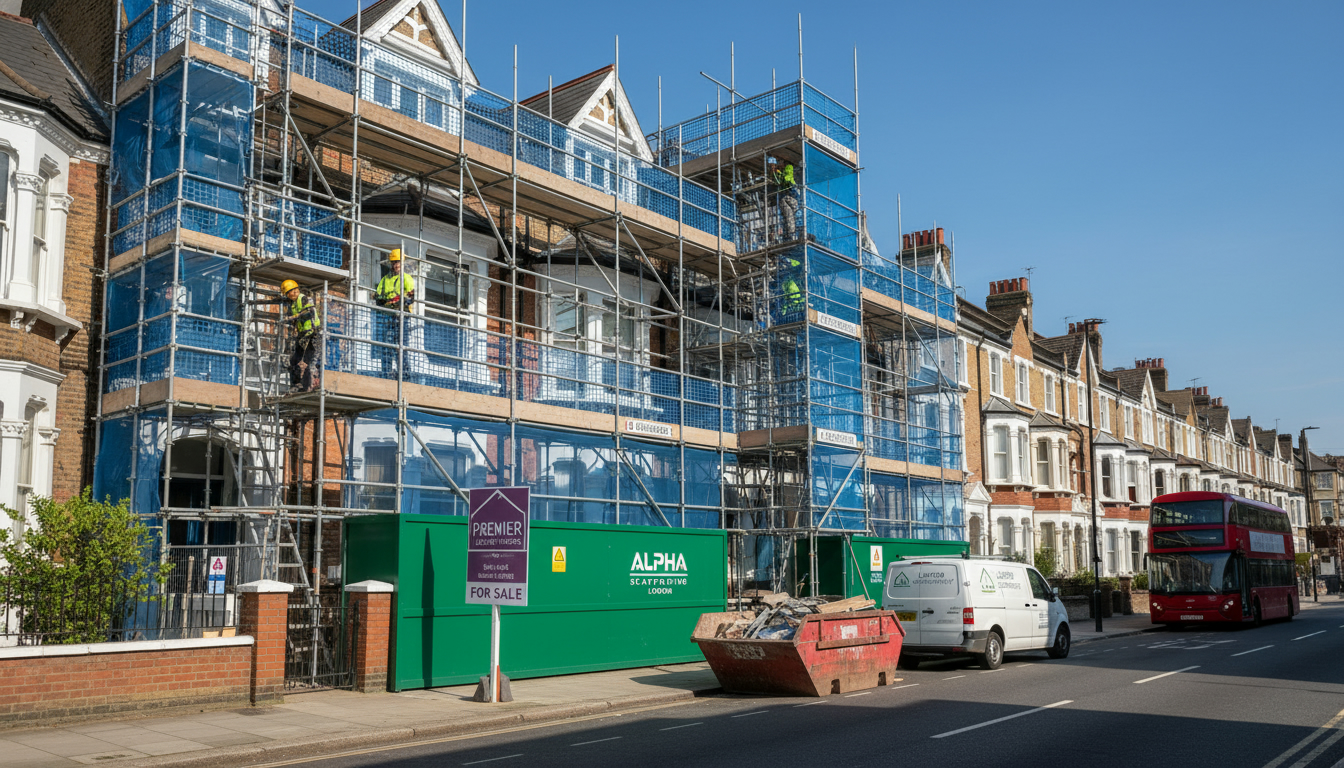
Scaffolding Hire Charges: Complete Guide to Professional Services
Comprehensive guide to scaffolding hire charges in the UK. Learn about costs, types, installation, and find the best scaffolding solutions for your project.
Key Insights for Scaffolding Hire Charges: Complete Guide to Professional Services
- Professional installation to CISRS & TG20:21 standards.
- Full public liability insurance for residential & commercial sites.
- Fast local delivery and response times across the South East.
- Expert safety coordination and permit management handled.
In the evolving landscape of construction in 2025, understanding scaffolding hire charges is more crucial than ever. The UK construction industry continues to grow, with an increasing demand for both residential and commercial projects. This surge necessitates reliable, safe, and cost-effective scaffolding solutions. Whether you are embarking on a small domestic renovation or a large-scale commercial development, selecting the right scaffolding hire company can significantly impact your project’s timeline and budget.
Choosing the appropriate scaffolding solution is not just about cost; it involves ensuring safety, compliance with regulations, and the overall efficiency of your construction project. Professional scaffolding hire services provide not only the structures but also expertise in assessing site-specific requirements. This becomes especially important as the UK places an increasing emphasis on safety standards and sustainable practices. By understanding the nuances of scaffolding hire charges, you can make informed decisions that align with both your project goals and financial constraints.
In this comprehensive guide, we will delve into the factors affecting scaffolding hire charges and explore how to choose the best service for your needs. We will also provide insights into the latest trends in scaffolding solutions and their implications for various types of projects. Stay tuned as we navigate through essential information that will help you make well-informed decisions for your next construction venture.
Market Context & Data
The UK construction industry has shown robust growth in recent years, with projections for 2024-2025 indicating a continued upward trajectory. This expansion is driven by a surge in both residential and commercial projects, necessitating increased demand for scaffolding hire services. Understanding the current market context and data is essential for navigating the complexities of scaffolding hire charges.
- The UK construction sector is expected to grow by approximately 4% annually through 2025, according to industry forecasts.
- Demand for scaffolding is rising, particularly in urban areas like London, due to large-scale infrastructure projects.
- Health and Safety Executive (HSE) reports highlight a 5% increase in compliance checks, emphasising the importance of adhering to stringent safety standards.
Scaffolding hire charges are influenced by several factors, including the type of scaffolding required, installation complexity, and project duration. The following table summarises key metrics related to scaffolding hire in the UK:
| Scaffolding Type | Typical Cost (per week) | Average Installation Time |
|---|---|---|
| Domestic Scaffolding | £250 - £500 | 2-3 Days |
| Commercial Scaffolding | £800 - £1500 | 5-7 Days |
| Industrial Scaffolding | £1500 - £3000 | 7-10 Days |
The regulatory environment continues to evolve, with new building regulations and HSE guidelines placing greater emphasis on safety and environmental sustainability. Scaffolding hire companies must comply with these regulations to ensure safe and efficient construction sites. For more information on safety standards and services, visit our domestic scaffolding page.
As the industry adapts to these changes, selecting a scaffolding hire provider that prioritises safety, efficiency, and compliance becomes increasingly important. This ensures not only the protection of workers but also the timely and budget-conscious completion of construction projects.
Detailed How-It-Works
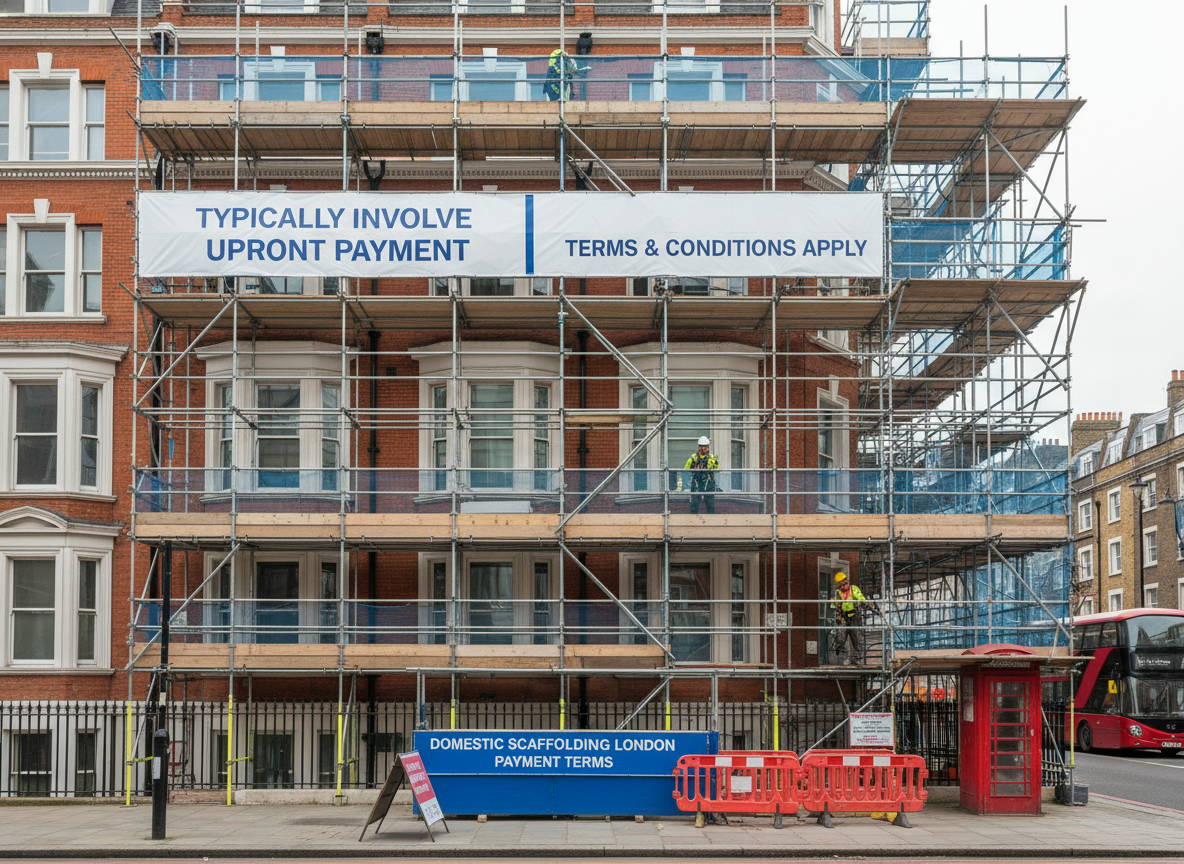
Understanding the scaffolding hire process is crucial for ensuring a smooth construction project. Here’s a detailed breakdown of how professional scaffolding hire services operate in the UK:
-
Initial Consultation
The process begins with an initial consultation where the scaffolding hire company assesses your project's specific needs. This stage involves discussing the project's scope, timeline, and any unique requirements you may have.
-
Site Survey
A professional site survey is conducted to evaluate the site's conditions and determine the appropriate scaffolding structure. This step is crucial for identifying potential challenges and ensuring that the scaffolding meets all safety and compliance standards.
-
Design
Based on the site survey, a custom scaffolding design is crafted to fit the project's needs. Options include system scaffolding, tube and fitting, and mobile towers, each suited to different types of projects and environments.
-
Installation
Professional teams handle the installation, ensuring that all structures are securely erected and comply with the Health and Safety Executive (HSE) regulations. Installation timelines vary; domestic projects might take 2-3 days, while larger commercial setups can take up to a week.
-
Inspections
Regular inspections are conducted to maintain safety and compliance throughout the project duration. These checks are vital to ensure that the scaffolding remains stable and secure as the construction progresses.
-
Removal
Upon project completion, the scaffolding is carefully dismantled and removed. This final stage ensures the site is left tidy and ready for the next phase of your construction project.
Throughout each stage, safety considerations and compliance with UK regulations are paramount. Understanding these processes can help you plan effectively, ensuring both timelines and budgets are met. For more details about scaffolding hire in specific regions, check out our dedicated page for London.
Costs & Rate Breakdown
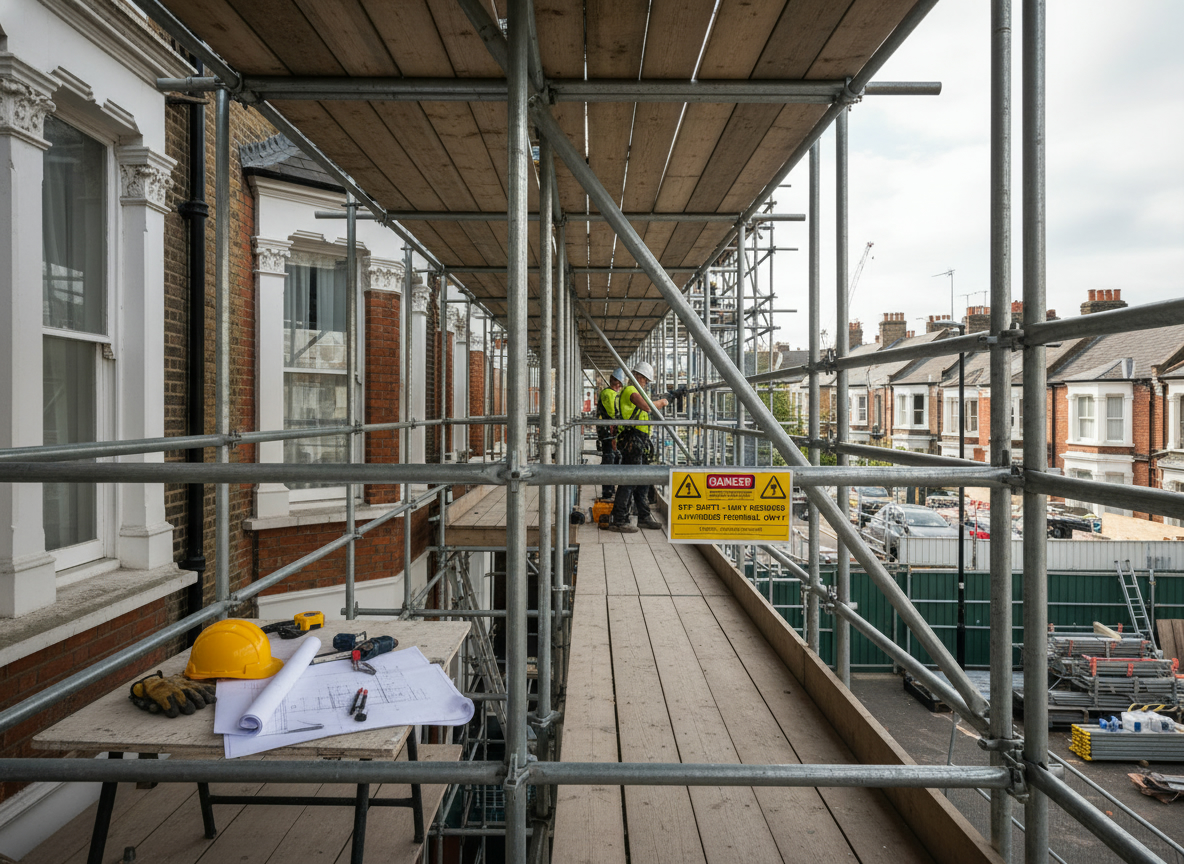
Understanding the costs associated with scaffolding hire charges is essential for budgeting your construction project efficiently. Here's a detailed breakdown of typical costs involved:
- Hire Rates: These vary depending on the type of scaffolding and the duration of hire. For instance, domestic scaffolding might cost between £250 to £500 per week, while commercial setups can range from £800 to £1500 per week.
- Installation Fees: Installation typically accounts for a significant portion of the costs, with prices reflecting the complexity and scale of the project.
- Inspection Costs: Regular inspections ensure compliance and safety, often included in initial quotes but might incur additional fees for more frequent checks.
- Removal Fees: Dismantling and removal of scaffolding is another cost to consider, usually factored into the overall quote.
| Scaffolding Type | Cost Range (per week) | Installation Time |
|---|---|---|
| Domestic Scaffolding | £250 - £500 | 2-3 Days |
| Commercial Scaffolding | £800 - £1500 | 5-7 Days |
| Industrial Scaffolding | £1500 - £3000 | 7-10 Days |
Several factors influence scaffolding hire charges, including height, duration, location, and complexity. For example, a small domestic extension might require only a week’s hire, costing around £500, whereas a large commercial project spanning several months could incur charges upwards of £10,000.
Payment terms typically involve an upfront deposit, with the balance due upon project completion. Quotes generally include hire, installation, and removal, but it’s crucial to confirm whether regular inspections are covered. To explore more about regional pricing, visit our London scaffolding hire page.
Regional Insights
London
In 2025, scaffolding hire in London remains a dynamic sector, driven by a robust construction market. The demand is particularly high in areas like Canary Wharf and Shoreditch, where modern skyscrapers and commercial complexes dominate the skyline. Unique challenges include navigating tight urban spaces and adhering to stringent planning permissions. Projects typically range from residential refurbishments to large-scale infrastructure developments, necessitating versatile scaffolding solutions able to accommodate complex designs and diverse architectural styles.
Surrey
In Surrey, the construction landscape is marked by a blend of historical restoration and modern development. Key areas such as Guildford and Woking see a consistent demand for scaffolding services. The 2025 market conditions reflect a steady growth in domestic projects, where scaffolding hire in Surrey often involves bespoke structures to preserve the aesthetic of heritage sites. Access challenges, including narrow roads and protected landscapes, require careful planning and execution, making experienced scaffolding providers invaluable for both compliance and efficiency.
Kent
As of 2025, Kent's construction sector benefits from ongoing residential expansions and commercial projects, particularly in towns like Maidstone and Canterbury. The region's unique considerations include balancing modern development with the preservation of its rich historical architecture. Scaffolding hire in Kent frequently involves navigating planning restrictions and ensuring minimal disruption to local communities. Typical projects range from new housing estates to the restoration of listed buildings, requiring adaptive scaffolding solutions that cater to both urban and rural settings.
Comparison Table
When considering scaffolding hire charges, it's essential to compare different types of scaffolding systems to determine which best suits your project's needs. Each system offers unique benefits, costs, and use cases. Below is a detailed comparison of the main types of scaffolding services available in the UK market.
| Scaffolding Type | Typical Cost (per week) | Installation Time | Suitability | Safety Features | Typical Use Cases |
|---|---|---|---|---|---|
| System Scaffolding | £300 - £600 | 2-4 Days | Versatile for various projects | Pre-fabricated parts ensure stability | Commercial and industrial projects |
| Tube and Fitting | £350 - £700 | 3-5 Days | Highly adaptable to complex structures | Customisable design for unique shapes | Heritage and bespoke projects |
| Mobile Towers | £200 - £400 | 1-2 Days | Ideal for short-term and indoor projects | Lightweight and easy to move | Maintenance and repair tasks |
From the table above, it's evident that each scaffolding type has distinct advantages that cater to specific project requirements. System scaffolding is often preferred for its ease of assembly and versatility, making it suitable for large-scale commercial and industrial applications. On the other hand, tube and fitting scaffolding provides unparalleled adaptability, especially for projects with complex structures or heritage buildings, due to its customisable nature. Mobile towers are best suited for short-term and indoor projects, offering quick installation and mobility advantages.
Understanding these differences can help you select the most cost-effective and efficient scaffolding solution for your project, ensuring compliance with safety standards and optimising your construction timeline. For more specific guidance on choosing the right scaffolding for your needs, explore our domestic scaffolding services page or check out regional options like scaffolding hire in London.
Real-World Case Studies
Case Study 1: Domestic Roof Renovation in Birmingham
In Birmingham, a small domestic project involved a roof renovation on a semi-detached house. The primary challenge was limited access due to narrow streets and the need for minimal disruption to neighbours.
Solution: A compact and adaptable tube and fitting scaffolding system was employed, ensuring quick assembly and ease of access for workmen.
Outcomes: The scaffolding was installed in just two days, saving the client approximately 20% in hire charges. Safety was enhanced with regular inspections, and the project was completed a week ahead of schedule, improving cost efficiency.
Case Study 2: Commercial Office Block in Manchester
A commercial project in Manchester involved the construction of a new office block. The challenge was to provide safe and efficient scaffolding for a building with complex architectural designs.
Solution: System scaffolding was chosen for its flexibility and speed of installation, allowing for seamless integration with the building's unique features.
Outcomes: The project saw a 15% reduction in expected labour costs due to faster installation. Safety compliance was maintained through weekly inspections, resulting in zero incidents throughout the project duration.
Case Study 3: Industrial Warehouse in Liverpool
In Liverpool, an industrial warehouse refurbishment required robust scaffolding capable of supporting heavy loads and providing extensive reach.
Solution: Industrial-grade scaffolding was implemented, ensuring stability and safety for extensive renovation work.
Outcomes: The project was completed with a 30% improvement in time efficiency compared to traditional methods. The sturdy scaffolding reduced potential safety hazards, leading to a safer working environment and adherence to all HSE guidelines.
Actionable Tips & Checklist
Planning your scaffolding project effectively can lead to significant savings and ensure safety compliance. Here are some actionable tips and a checklist to guide you through the process:
Actionable Tips
- Budgeting: Use a quote calculator to estimate costs based on your project’s size and duration. This helps prevent unexpected expenses.
- Contractor Communication: Maintain clear communication with your scaffolding contractor. Regular updates can help address any issues promptly.
- Safety First: Prioritise safety by ensuring your scaffolding provider adheres to HSE guidelines. Frequent inspections are crucial.
- Local Regulations: Be aware of local planning permissions and restrictions, particularly in areas with heritage sites or protected landscapes.
- Site Preparation: Ensure the site is ready for scaffolding installation by clearing any obstacles and providing access for equipment and materials.
Checklist
- Preparation:
- Assess project requirements and timeline.
- Prepare the site for scaffold installation.
- Documentation Needed:
- Obtain necessary permits and permissions.
- Gather project plans and site surveys.
- Choosing Providers:
- Research qualified scaffolding hire companies.
- Request and compare quotes from multiple providers.
- Check references and past projects for reliability and quality.
- Safety Considerations:
- Ensure all workers are trained and certified.
- Verify regular safety inspections are included.
Before hiring, ask these important questions: What is included in the quote? Are there any additional fees? How will safety compliance be ensured? What is the timeline for installation and removal?
These steps will help you navigate scaffolding hire charges effectively, ensuring a safe and cost-efficient construction project. For more detailed guidance, explore our domestic scaffolding services and find regional options like scaffolding hire in London.
Comprehensive FAQ
What factors influence scaffolding hire charges?
Scaffolding hire charges in the UK are influenced by several factors including the type of scaffolding (domestic, commercial, or industrial), project duration, location, and complexity of the installation. Additional costs may arise from unique site requirements or specialised scaffolding designs. Furthermore, accessibility challenges, such as those in urban areas like London, can also affect pricing. It's essential to obtain detailed quotes from multiple providers to understand the complete cost breakdown.
How is safety ensured during scaffolding installation?
Safety during scaffolding installation is ensured through adherence to Health and Safety Executive (HSE) regulations. This involves using certified professionals for installation, conducting thorough site surveys, and performing regular safety inspections. Scaffolding providers should offer comprehensive safety plans and risk assessments. Choosing a reputable company that prioritises compliance with safety standards is crucial, as it mitigates risks and enhances the overall security of the construction site.
What is the typical timeline for scaffolding installation and removal?
The timeline for scaffolding installation varies based on the project size and complexity. Domestic scaffolding typically takes 2-3 days, while commercial projects may require 5-7 days for setup. Industrial scaffolding might take up to 10 days. Removal usually follows a similar timeframe. Efficient planning and coordination with your scaffolding provider can ensure timely installation and removal, minimising disruptions and aligning with your project's schedule.
What regulations must scaffolding comply with in the UK?
Scaffolding in the UK must comply with regulations set by the Health and Safety Executive (HSE), including the Work at Height Regulations 2005. These standards mandate proper planning, supervision, and use of suitable equipment to prevent falls and ensure worker safety. Regular inspections and maintenance are required to uphold compliance. It is crucial to work with scaffolding hire companies familiar with these regulations to ensure legal and safety standards are met.
What types of scaffolding are available for hire?
In the UK, common types of scaffolding available for hire include system scaffolding, tube and fitting scaffolding, and mobile towers. System scaffolding is versatile and suitable for varied projects. Tube and fitting scaffolding offers adaptability for complex structures, often used in heritage projects. Mobile towers are ideal for short-term or indoor tasks due to their ease of movement. Each type has distinct advantages depending on the project's requirements.
What does the scaffolding installation process involve?
The scaffolding installation process begins with an initial consultation and site survey to assess specific needs and challenges. A custom design is then crafted, followed by professional installation by certified teams. Regular inspections ensure safety compliance throughout the project. Upon completion, scaffolding is carefully dismantled and removed. This systematic approach ensures efficiency and safety, with detailed attention to adhering to all relevant UK regulations and standards.
How is scaffolding removed after project completion?
Scaffolding removal involves a systematic dismantling process conducted by trained professionals. The structure is carefully disassembled, ensuring no damage to the property or disruption to ongoing work. The removal process prioritises safety and efficiency, adhering to the same stringent standards applied during installation. Engaging with experienced scaffolding providers ensures the site is left tidy and prepared for subsequent construction phases, thereby facilitating a seamless project transition.
Is regular maintenance required for scaffolding?
Yes, regular maintenance is essential for ensuring scaffolding safety and compliance. This includes routine inspections to check for stability, integrity, and adherence to HSE guidelines. Any signs of wear or damage must be addressed promptly to prevent accidents. Typically, reputable scaffolding hire companies include maintenance and inspection services in their packages, helping to maintain a safe working environment throughout the project duration. Regular checks are crucial to avoid potential safety breaches.
Next Steps & CTA
As you have now explored the comprehensive guide on scaffolding hire charges, it's time to take the next steps to ensure your construction project runs smoothly and efficiently. Here are the key takeaways:
- Understanding the diverse factors affecting scaffolding hire charges is crucial for effective budgeting and planning.
- Choosing the right scaffolding solution ensures safety, compliance, and efficiency, aligning with UK regulations.
- Professional scaffolding hire services offer expertise that can significantly impact your project's success.
Ready to move forward with your scaffolding needs? Get started by obtaining a personalised quote tailored to your specific project requirements. Get Your Scaffolding Quote today to explore competitive rates and expert services.
If you have further questions or need professional advice, don't hesitate to contact our team. Our experts are here to guide you through every step, ensuring your project is handled with precision and care.
Seize the opportunity to streamline your construction process by choosing the right scaffolding hire partner. Act now to secure the best solutions for your upcoming projects, ensuring safety, compliance, and efficiency every step of the way.
Explore More Arch Design Options
Related Articles
Comprehensive guide to access scaffolding in the UK. Learn about costs, types, installation, and find the best scaffolding solutions for your project.
Comprehensive guide to commercial scaffolding in the UK. Learn about costs, types, installation, and find the best scaffolding solutions for your project.
Comprehensive guide to industrial scaffolding in the UK. Learn about costs, types, installation, and find the best scaffolding solutions for your project.
Ready to Get Started?
Scaffolding Hire Surrey Team
CISRS Lead InspectorAdvanced Scaffolder, 15+ Years Experience
David Miller is a recognized expert in scaffolding safety and construction logistics across the UK. With a career spanning over 15 years, he specializes in TG20:21 compliance and complex industrial access solutions. His insights help ensure that every project on Scaffolding Hire London meets the highest possible safety and efficiency standards.
Ready to Start Your Scaffolding Project?
Whether you're planning a home extension, commercial development, or industrial project, our professional scaffolding solutions can help you complete your project safely and efficiently.