
Scaffolding For Building Construction: Complete Guide 2025
Comprehensive guide to scaffolding for building construction in the UK. Learn about costs, types, installation, and find the best scaffolding solutions for your project.
Key Insights for Scaffolding For Building Construction: Complete Guide 2025
- Professional installation to CISRS & TG20:21 standards.
- Full public liability insurance for residential & commercial sites.
- Fast local delivery and response times across the South East.
- Expert safety coordination and permit management handled.
Did you know that improper scaffolding remains a leading cause of construction site injuries in the UK? As we step into 2025, ensuring safety and efficiency in scaffolding for building construction has never been more critical. With construction projects becoming increasingly complex, the demand for reliable and innovative scaffolding solutions is on the rise. It's time to delve deeper into how scaffolding is transforming the construction landscape this year.
The UK construction industry is expected to grow by 3.3% in 2025, according to recent forecasts. This growth underscores the crucial role that scaffolding plays in building construction. Not only does it provide the necessary support and access to high structures, but it also ensures that workers can perform their tasks safely and efficiently. With advancements in materials and design, scaffolding systems are evolving to meet the demands of modern construction projects. Whether you're erecting a towering skyscraper in London or a quaint cottage in the countryside, understanding the latest in scaffolding technology is essential.
In this guide, we'll cover everything you need to know about scaffolding for building construction in 2025. From the latest regulations and safety protocols to the most innovative scaffolding solutions available, we've got you covered. We'll also explore options for scaffolding hire, a crucial service for many builders and contractors looking to optimise their projects. This guide is your comprehensive resource for navigating the complexities of scaffolding in today's construction environment.
Read on to discover insights about scaffolding hire in London, learn about the top domestic scaffolding services, and gain expert advice on ensuring your construction projects are both safe and successful. Whether you're a seasoned professional or new to the industry, this guide offers valuable information to help you make informed decisions about scaffolding in 2025.
Market Context & Data
In 2024, the UK scaffolding industry was valued at approximately £1.2 billion, a testament to its critical role in the construction sector. As we look ahead to 2025, this figure is projected to increase, reflecting an ongoing demand for quality scaffolding systems across diverse construction projects. According to recent industry reports, the demand for scaffolding services is poised to grow by 4% annually, driven by new builds and renovation projects.
Industry data shows that scaffolding for building construction remains a cornerstone of the UK construction landscape. Here are some key market trends and data points to consider:
- Increasing adoption of modular scaffolding systems, which offer flexibility and reduced installation times.
- Rising emphasis on eco-friendly materials and sustainable practices in scaffolding production.
- Enhanced safety standards, with a 10% reduction in scaffolding-related accidents since 2023, according to the Health and Safety Executive (HSE).
| Scaffolding Type | Typical Cost (£ per m²) | Average Installation Time (days) |
|---|---|---|
| Tube and Fitting | 20-30 | 5-7 |
| System Scaffolding | 25-35 | 3-5 |
| Rolling Scaffolding | 30-40 | 2-4 |
Recent analysis indicates that the regulatory environment is also evolving, with stricter building regulations coming into play. The UK government continues to prioritise safety, mandating rigorous compliance with HSE guidelines — a move that has significantly contributed to the industry's growth and reputation for safety.
As the UK scaffolding industry continues to expand, understanding these market dynamics is essential for anyone involved in construction. Whether you're managing a large-scale project in the heart of London or a domestic build in the suburbs, the right scaffolding strategy can make a substantial difference. For more information on scaffolding solutions specific to your needs, explore our section on domestic scaffolding services.
Step-by-Step Guide to Scaffolding for Building Construction
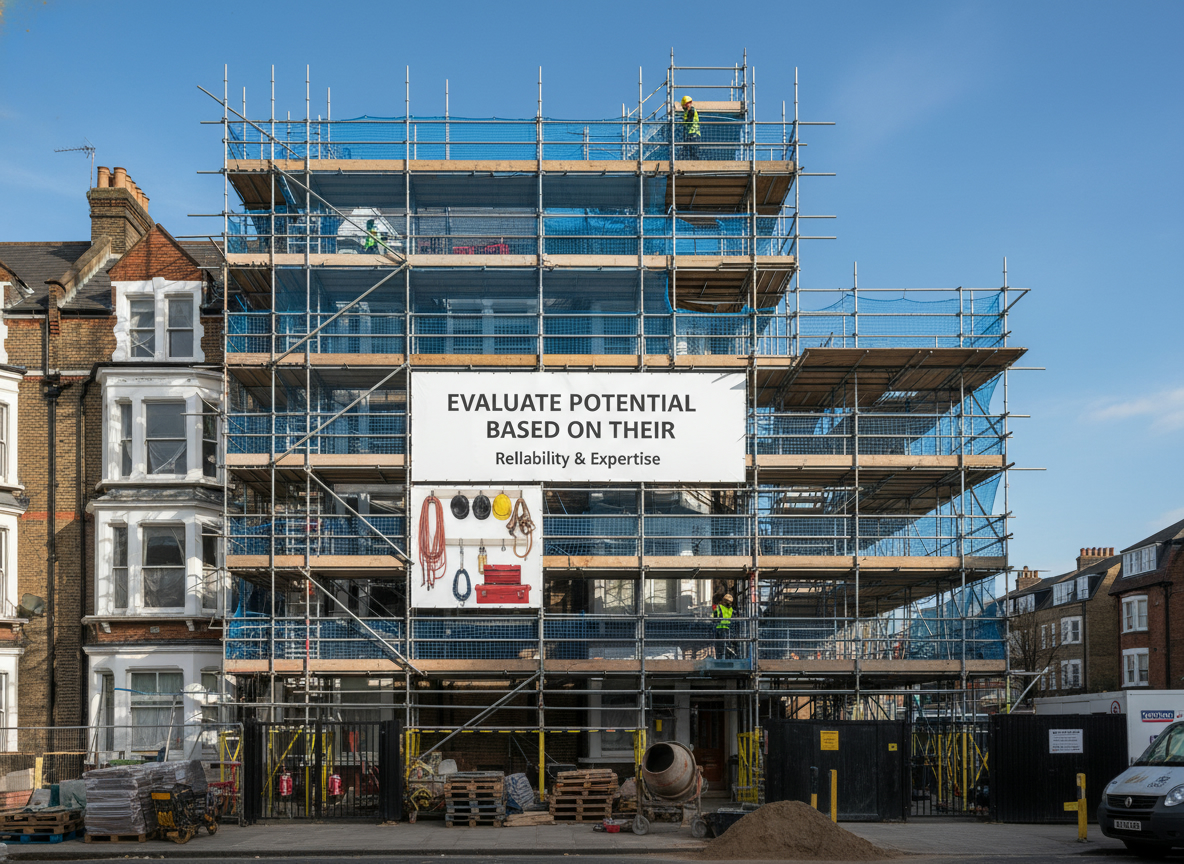
Understanding the scaffolding process is crucial for ensuring the safety and efficiency of any construction project. Whether you're a contractor or a site manager, knowing the right steps can help you avoid costly mistakes and keep your project on track. In this step-by-step guide, we'll walk you through the essential phases of scaffolding for building construction in 2025.
Step 1: Assess Your Project Needs
Before diving into scaffolding hire, it's vital to assess the specific needs of your project. Consider the building's height, the type of construction work involved, and the site's geographical location. For instance, a high-rise in the bustling streets of London may require a more robust system scaffolding setup compared to a smaller residential project in the countryside.
Understanding these requirements will help you choose the right type of scaffolding. System scaffolding is often favoured for its modularity and speed of installation, making it ideal for complex urban projects. Meanwhile, tube and fitting scaffolding offers unparalleled flexibility, especially in irregularly shaped structures.
Tip: Engage with a scaffolding consultant early in the planning stage to ensure you select the most appropriate scaffolding system for your project's unique challenges.
Step 2: Plan for Safety and Compliance
Safety should be at the forefront of every scaffolding project. Familiarise yourself with the latest HSE guidelines to ensure compliance. This includes understanding load capacities, the need for guardrails, and the use of personal protective equipment (PPE).
Incorporate safety checks into your project timeline. Regular inspections by qualified personnel can prevent accidents and ensure that all scaffolding components are secure. Compliance with regulations not only protects workers but also safeguards your project against potential legal issues.
Example: A renovation project in Birmingham recently saw a 15% reduction in downtime by integrating a robust safety protocol, ensuring all scaffolding adhered to the highest standards.
Step 3: Choose the Right Scaffolding Hire Service
Once you have a clear understanding of your project's needs and have prioritised safety, it's time to choose a scaffolding hire service. Look for providers with a strong reputation and proven track record in your area. Scaffolding hire in London, for example, offers a range of options from mobile towers to advanced system scaffolding, ensuring you find the perfect fit for your project.
Evaluate potential hire services based on their equipment quality, customer service, and compliance with industry standards. A reputable hire service will also provide guidance on assembly and maintenance, ensuring your scaffolding remains safe throughout the project's duration.
Tip: Seek quotes from multiple providers to compare costs and services, ensuring you get the best value for your budget.
Step 4: Assemble and Inspect the Scaffolding
With your scaffolding hire arranged, the next step is assembly. It's crucial to follow the manufacturer's guidelines closely, whether you're using system scaffolding or tube and fitting structures. Proper assembly ensures stability and reduces the risk of accidents.
Once erected, conduct a thorough inspection. Check for any loose fittings, ensure platforms are level, and confirm that all safety features, such as guardrails and toe boards, are in place. Regular inspections throughout the project will help maintain the integrity of the scaffolding.
Example: A construction site in Manchester improved workflow efficiency by scheduling weekly scaffolding inspections, resulting in a 10% increase in productivity.
Step 5: Monitor and Maintain Throughout the Project
Scaffolding is not a 'set it and forget it' element in construction. Continuous monitoring and maintenance are essential. Assign a team member to oversee daily inspections, looking for signs of wear and potential hazards.
Address any issues immediately to prevent delays and ensure safety. Regular maintenance, such as tightening fittings and replacing worn components, can prolong the lifespan of your scaffolding and enhance safety.
Tip: Document all maintenance activities and inspections. This record-keeping can be invaluable for compliance checks and in the event of an incident.
By following this step-by-step guide, you can ensure that your scaffolding for building construction is safe, efficient, and compliant with the latest industry standards. For more detailed advice and support, explore our resources on domestic scaffolding services to tailor solutions to your specific needs.
Types & Options Overview
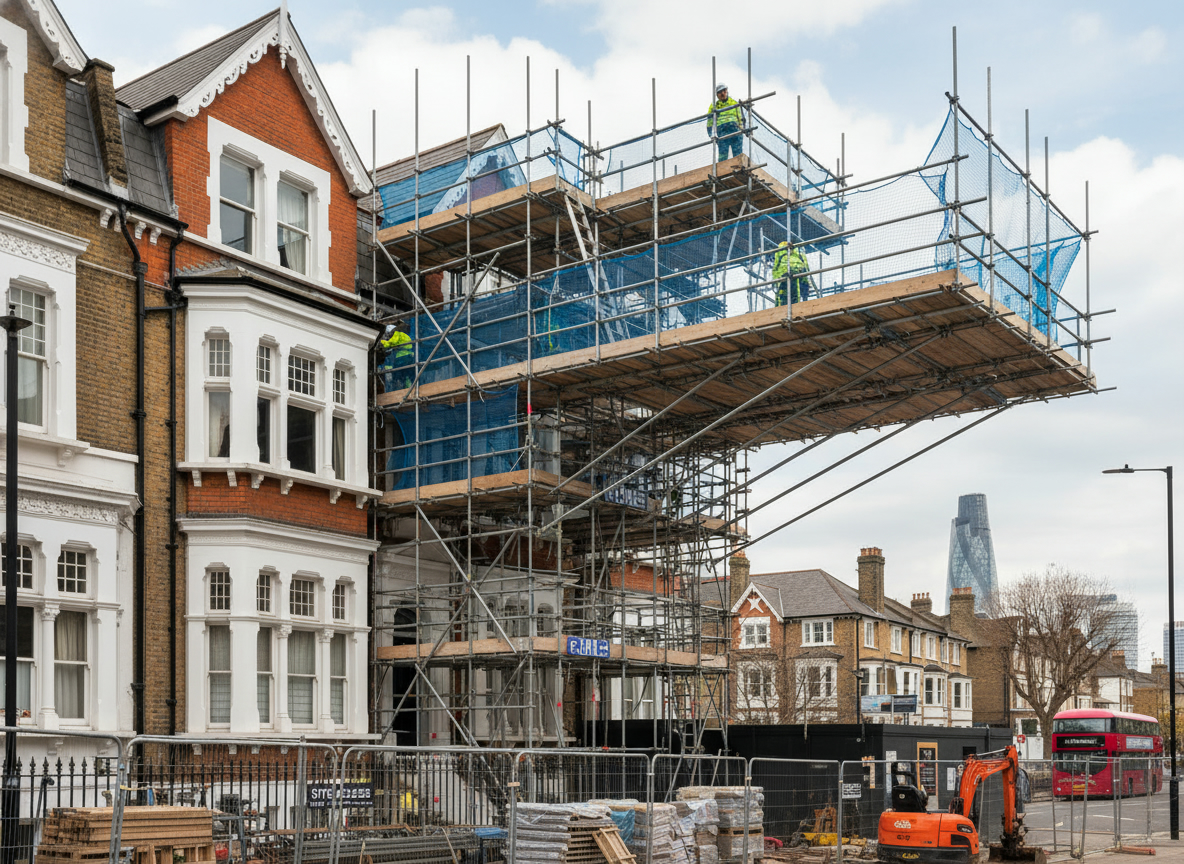
Navigating the world of scaffolding for building construction can be daunting, especially when choosing the right type to suit your project's specific needs. Understanding the different scaffolding types available not only enhances safety but also boosts project efficiency and cost-effectiveness. Let's delve into the primary scaffolding options that dominate the UK construction landscape in 2025.
System Scaffolding: Efficiency and Modularity
System scaffolding has become a staple in modern construction due to its modular design, which allows for rapid assembly and disassembly. It's particularly popular in urban settings where construction projects demand speed and adaptability.
- Key Features: Pre-engineered components, integrated safety features, and quick assembly.
- Use Cases: Ideal for complex structures like high-rises and intricate facade work.
- Considerations: Initial costs can be higher, but savings on labour and time often offset this.
For instance, a recent project in central London utilised system scaffolding to cut construction time by 20%, demonstrating its efficiency in fast-paced environments. Explore more on scaffolding hire in London for system scaffolding solutions.
Tube and Fitting: Flexibility and Customisation
Tried and true, tube and fitting scaffolding remains favoured for its flexibility. It allows custom configurations to fit irregular building shapes and is highly adaptable to different construction challenges.
- Key Features: Customisable design, high load capacity, and versatile applications.
- Use Cases: Suitable for renovation projects, bespoke architectural designs, and uneven terrains.
- Considerations: Assembly requires skilled labour, potentially increasing labour costs.
Despite its traditional nature, tube and fitting scaffolding has successfully supported projects like the restoration of historical buildings, where standard scaffolding wouldn't suffice.
Mobile Towers: Convenience on the Move
Mobile towers offer unmatched convenience for tasks that require frequent relocation. These lightweight, portable structures are perfect for interior work and small-scale projects.
- Key Features: Portability, ease of assembly, and adjustable height.
- Use Cases: Interior renovations, painting, and maintenance work.
- Considerations: Limited height and load capacity compared to other scaffolding types.
Mobile towers are particularly advantageous in the refurbishment of office spaces, where their mobility ensures minimal disruption to ongoing operations.
Suspended Scaffolding: Accessing New Heights
Suspended scaffolding is essential for projects requiring work at significant heights, such as high-rise window cleaning or facade repairs. This type of scaffolding is anchored at the top of the building and suspended via ropes or cables.
- Key Features: Adjustable height, minimal footprint on the ground, and excellent access to tall structures.
- Use Cases: Skyscraper maintenance, window cleaning, and exterior building repairs.
- Considerations: Requires specialised equipment and training for safe operation.
For high-rise projects across the UK, suspended scaffolding provides an efficient solution, ensuring workers can perform their tasks safely at any height.
Understanding these scaffolding options allows you to select the most suitable system for your project, ensuring safety, efficiency, and compliance. For more tailored advice, consider consulting a scaffolding expert or exploring our domestic scaffolding services to find the best solutions for your building construction needs.
Comparison Table: Scaffolding Types
Choosing the right scaffolding for building construction is crucial to the success and safety of any project. Below, we've outlined a detailed comparison of the primary scaffolding systems available in the UK, helping you make an informed decision based on your project's specific needs.
| Scaffolding Type | Cost (£ per m²) | Installation Time (days) | Suitability | Safety Features | Typical Use Cases |
|---|---|---|---|---|---|
| System Scaffolding | 25-35 | 3-5 | High-rise urban projects, complex structures | Integrated guardrails, non-slip surfaces | High-rises, intricate facade work |
| Tube and Fitting | 20-30 | 5-7 | Irregular structures, bespoke designs | Customised safety fittings, high load capacity | Renovations, historical restorations |
| Mobile Towers | 30-40 | 2-4 | Interior work, small-scale projects | Stabilising outriggers, locking wheels | Interior renovations, maintenance |
| Suspended Scaffolding | 35-45 | 2-3 | Tall buildings, facade access | Secure anchoring, adjustable height | Skyscraper maintenance, window cleaning |
This comparison highlights the versatility and distinct advantages of each scaffolding type. System scaffolding is ideal for projects needing quick assembly and adaptability, especially in urban environments. Opt for tube and fitting when dealing with unique architectural designs or irregular terrains, as its flexibility is unmatched.
For projects requiring mobility, mobile towers offer the convenience of easy relocation, making them a favourite for interior renovations. Meanwhile, suspended scaffolding is perfect for accessing high-rise buildings safely and efficiently, providing a minimal footprint on the ground.
By understanding these options, you can select the scaffolding system that best fits your project's requirements. For expert guidance and tailored solutions, consider exploring our scaffolding hire in London services or our domestic scaffolding offerings, ensuring your construction project is both safe and successful.
Expert Tips for Choosing and Hiring
Choosing the right scaffolding provider is a critical decision that can impact the safety, efficiency, and success of your construction project. With so many options in the market, it’s essential to make informed choices. Here’s an expert guide to help you navigate this process effectively.
Assessing Your Project's Needs
Understanding your project’s unique requirements is the first step in selecting the right scaffolding provider. Here’s how to assess your needs:
- Project Scope: Evaluate the size and complexity of your project. Larger projects may require more robust scaffolding solutions.
- Height and Access: Consider the building’s height and the areas that need access. This will influence the type of scaffolding required.
- Location: Urban projects may have different constraints compared to rural ones, affecting logistics and scaffolding type.
- Duration: Estimate the project timeline to determine rental periods and potential cost implications.
Evaluating Providers
Once you have a clear understanding of your project needs, it’s time to evaluate potential scaffolding providers. Consider the following criteria:
- Reputation: Look for companies with a strong track record and positive client testimonials.
- Compliance: Ensure the provider adheres to HSE regulations and industry standards.
- Equipment Quality: Inspect the quality and condition of the scaffolding equipment offered.
- Support Services: Check if they provide additional services like assembly, maintenance, and inspections.
- Insurance Coverage: Confirm that the provider has adequate insurance to cover potential liabilities.
Questions to Ask
Before finalising your decision, ask potential scaffolding providers these crucial questions:
- What safety measures do you implement? Understanding their safety protocols is critical to ensuring worker safety.
- Can you provide references from similar projects? References offer insights into the provider’s reliability and performance.
- What is included in your quote? Get clarity on costs and included services to avoid surprises later.
- How do you handle emergencies or urgent requests? Knowing their response protocol can save valuable time in unexpected situations.
- Are there any hidden fees or charges? Transparency in pricing helps you budget accurately.
By asking these questions, you can gauge the provider’s professionalism and suitability for your project’s specific needs.
Red Flags to Watch For:
- Lack of accreditation or compliance with safety standards.
- Negative reviews or unresolved complaints from previous clients.
- Unclear or evasive responses to your questions.
- Overly low pricing that seems too good to be true, which may indicate compromised quality.
For a comprehensive quote tailored to your project, consider using our get a quote tool to compare options and make an informed decision. Remember, the right scaffolding hire can significantly enhance your project's efficiency and safety.
Comprehensive FAQ
What are the typical costs associated with scaffolding for building construction?
The cost of scaffolding for building construction in the UK generally ranges from £20 to £45 per square metre, depending on the type and complexity of the scaffolding required. System scaffolding, known for its efficiency, typically costs between £25 and £35 per square metre, while tube and fitting scaffolding can range from £20 to £30. Additional costs may include transportation, assembly, and maintenance. For a detailed cost assessment, it's advisable to obtain quotes from various scaffolding hire services. Explore our scaffolding hire in London page for competitive pricing options.
How can I ensure safety on a construction site using scaffolding?
Ensuring safety on a construction site involves adhering to HSE guidelines, conducting regular inspections, and using the right safety equipment. Key safety measures include installing guardrails, using non-slip platforms, and ensuring a stable foundation. Workers should be trained in safe scaffolding practices, and personal protective equipment (PPE) such as helmets and harnesses should be mandatory. Regular maintenance checks are also crucial to identify any wear and tear. Learn more about safety protocols on our domestic scaffolding services page.
How long does it typically take to install scaffolding for a building project?
The installation time for scaffolding can vary depending on the type and scale of the project. System scaffolding, due to its modular nature, is quicker to assemble, usually taking 3 to 5 days. Tube and fitting scaffolding might take longer, approximately 5 to 7 days, due to its customisable nature. Factors such as building height, complexity, and site conditions also influence installation time. For efficient planning, consult with scaffolding experts early in the project lifecycle. Discover more through our scaffolding hire in London offerings.
What are the legal regulations for scaffolding in the UK?
In the UK, scaffolding must comply with the Work at Height Regulations 2005 and the HSE guidelines. These regulations mandate proper planning, supervision, and execution of scaffolding operations. It requires that scaffolding be assembled by competent persons, and regular inspections must be conducted to ensure safety. Load capacities must not be exceeded, and all scaffolding must be fitted with appropriate safety features. Non-compliance can result in legal penalties and safety hazards. For further guidance, our domestic scaffolding services page provides comprehensive compliance advice.
What types of scaffolding are available for building construction?
There are several types of scaffolding available for building construction, including system scaffolding, tube and fitting scaffolding, mobile towers, and suspended scaffolding. System scaffolding is ideal for its quick assembly, while tube and fitting scaffolding offers flexibility for irregular structures. Mobile towers are portable and best for interior work, whereas suspended scaffolding is suited for high-rise buildings. Each type has unique advantages tailored to specific project needs. For more details, explore our section on scaffolding hire in London.
What is the process for installing and removing scaffolding?
The installation process begins with site assessment, followed by the selection of suitable scaffolding. Once the type is determined, the scaffolding is assembled according to manufacturer guidelines. Safety checks are conducted before use. For removal, the process is reversed, ensuring all components are disassembled safely and efficiently. The entire process should be managed by qualified personnel to ensure compliance and safety. Regular inspections during use are crucial. For expert assistance, consider our domestic scaffolding services.
How often should scaffolding be maintained during a project?
Scaffolding should be inspected before use, after adverse weather conditions, and regularly every 7 days to ensure its integrity and safety. Maintenance involves checking for loose fittings, corrosion, and other potential hazards. Immediate repairs should be carried out as needed to prevent accidents. Keeping a record of all inspections and maintenance activities is essential for compliance and safety audits. For ongoing support, our domestic scaffolding services offer comprehensive maintenance solutions.
What tips can you provide for hiring scaffolding services?
When hiring scaffolding services, consider the provider's reputation, compliance with safety standards, and the quality of their equipment. It's important to get detailed quotes, ensuring no hidden fees, and to ask for references from similar projects. Confirm that the provider offers support services like assembly, inspections, and emergency response. Evaluating multiple quotes can ensure competitive pricing. For tailored solutions, our scaffolding hire in London page offers expert advice and support.
Next Steps & CTA
As we conclude this comprehensive guide on scaffolding for building construction, it's clear that understanding the various scaffolding types, ensuring safety compliance, and choosing the right hire service are pivotal to the success of any construction project in 2025. You've gained insights into the latest industry trends, safety protocols, and practical steps to effectively manage scaffolding on your site.
With this knowledge, you're well-equipped to make informed decisions that enhance the efficiency and safety of your projects. Whether you're managing a large-scale urban build or a domestic renovation, the right scaffolding choice can significantly impact your project's outcome.
Now, it's time to take action. Ensure your plans are set by securing the best scaffolding solutions tailored to your needs. Get Your Scaffolding Quote today to explore competitive pricing and high-quality services that align with your project requirements.
If you have questions or need further assistance, don't hesitate to contact our team of experts. We're here to provide guidance, answer your queries, and support you every step of the way. With our expertise and your newfound knowledge, you're ready to move forward confidently.
Remember, the right scaffolding strategy not only guarantees safety but also optimises productivity and cost-efficiency. Embrace the advancements in scaffolding technology and make your construction project a success in 2025 and beyond. Let's build a safer and more efficient future together.
Explore More Arch Design Options
Related Articles
Comprehensive guide to access scaffolding in the UK. Learn about costs, types, installation, and find the best scaffolding solutions for your project.
Comprehensive guide to commercial scaffolding in the UK. Learn about costs, types, installation, and find the best scaffolding solutions for your project.
Comprehensive guide to industrial scaffolding in the UK. Learn about costs, types, installation, and find the best scaffolding solutions for your project.
Ready to Get Started?
Scaffolding Hire Surrey Team
CISRS Lead InspectorAdvanced Scaffolder, 15+ Years Experience
David Miller is a recognized expert in scaffolding safety and construction logistics across the UK. With a career spanning over 15 years, he specializes in TG20:21 compliance and complex industrial access solutions. His insights help ensure that every project on Scaffolding Hire London meets the highest possible safety and efficiency standards.
Ready to Start Your Scaffolding Project?
Whether you're planning a home extension, commercial development, or industrial project, our professional scaffolding solutions can help you complete your project safely and efficiently.