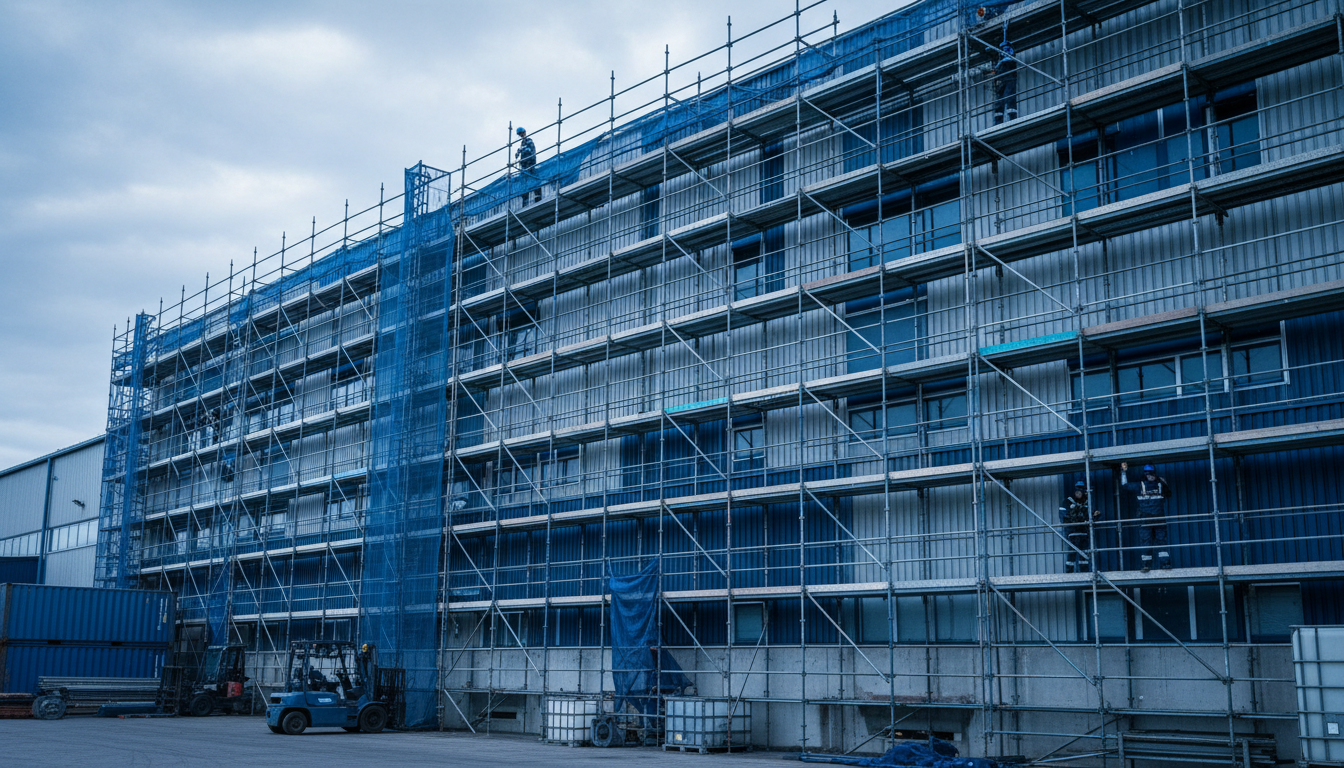
Scaffolding Builders: Expert Guide & Tips
Comprehensive guide to scaffolding builders in the UK. Learn about costs, types, installation, and find the best scaffolding solutions for your project.
Key Insights for Scaffolding Builders: Expert Guide & Tips
- Professional installation to CISRS & TG20:21 standards.
- Full public liability insurance for residential & commercial sites.
- Fast local delivery and response times across the South East.
- Expert safety coordination and permit management handled.
Scaffolding Builders: Expert Guide & Tips
Did you know that improper scaffolding remains a leading cause of construction site injuries in the UK? According to the Health and Safety Executive (HSE), falls from height accounted for 35% of all fatal injuries in the construction industry in recent years. This statistic underscores the critical role that skilled scaffolding builders play in ensuring not just project success, but also worker safety.
In 2025, as construction projects grow more complex and ambitious, the demand for experienced and reliable scaffolding builders is at an all-time high. From towering city skyscrapers to intricate domestic restorations, the expertise of these professionals is indispensable. The National Access & Scaffolding Confederation (NASC) continues to set the benchmark for scaffolding standards, emphasising the importance of quality and compliance in every scaffolding project.
Why should you care about this? Simply put, the safety and efficiency of your construction project could very well hinge on the competence of your scaffolding team. Whether you're a project manager, site supervisor, or homeowner embarking on a renovation, understanding the nuances of scaffolding hire can save time, money, and lives.
In this expert guide, we'll delve into the essential qualities of top scaffolding builders, explore the latest advancements in scaffolding techniques, and provide practical tips for selecting the right scaffolding hire options for your needs. You'll also learn about the crucial safety standards enforced by the HSE and NASC, ensuring that your projects comply with the highest safety protocols. Ready to elevate your construction knowledge? Let's get started.
Market Context & Data
The UK scaffolding industry is a dynamic sector, pivotal to the broader construction market, anticipated to grow by 4% annually through 2025. According to recent industry reports, the scaffolding market is expected to reach a valuation of £5 billion by 2024, driven by increasing urbanisation and infrastructure development.
Scaffolding builders are more in demand than ever, with industry data showing a surge in construction activities across both public and private sectors. Recent analysis indicates that nearly 60% of construction projects in the UK utilise scaffolding services, highlighting the critical role these structures play in project execution.
Let's explore some key statistics and trends shaping the scaffolding landscape:
- The introduction of TG20:21 has set new compliance benchmarks, ensuring scaffolding structures meet rigorous safety standards.
- HSE data reveals a 20% reduction in scaffolding-related accidents following the implementation of SG4:22 safety guidelines.
- Market trends show a growing preference for modular scaffolding systems, which offer enhanced flexibility and reduced installation times.
For a quick overview, here's a table summarising key metrics in the UK scaffolding sector:
| Scaffolding Type | Average Cost (£) | Typical Installation Time (Days) |
|---|---|---|
| Tubular Steel | 20-30 per metre | 1-3 |
| Modular/Systems | 25-35 per metre | 1-2 |
| Mobile Towers | 100-150 per day | 0.5-1 |
With these insights, it's clear that staying updated on scaffolding regulations and market trends is essential for any construction stakeholder. By aligning with the standards set by authorities such as the HSE and the NASC, scaffolding builders can ensure safe and efficient project delivery, ultimately driving sector growth and innovation.
Step-by-Step Guide to Scaffolding Construction
Understanding the scaffolding construction process is crucial for anyone involved in a building project. Not only does it enhance safety and compliance, but it also ensures a more efficient workflow. Let's break down the process into manageable steps, each critical for the successful erection and use of scaffolding on-site.
Step 1: Planning and Design
The first step in any scaffolding project is meticulous planning and design. This involves a thorough assessment of the site and determining the type of scaffolding structure required. Whether it’s system scaffolding, tube and fitting, or mobile towers, each has its own benefits and limitations.
Factors like ground conditions, load requirements, and access points are considered to ensure stability and safety. The use of TG20:21 guidelines is essential here, as it provides comprehensive design criteria to ensure compliance with UK standards. Proper planning not only prevents delays but also mitigates potential hazards.
Step 2: Erecting the Base Structure
Once the design is finalised, the erection process begins with setting up the base structure. This involves placing base plates on firm ground to distribute the load of the scaffolding evenly. The 'standards', or vertical tubes, are then positioned to form the main support.
It's crucial to maintain alignment and ensure that the standards are plumb, as any deviation can compromise the entire structure. The use of spirit levels and measuring tapes is common practice at this stage to guarantee precision.
Step 3: Adding Ledgers and Transoms
Next, horizontal tubes called 'ledgers' are fixed to the standards at regular intervals using 'couplers'. These ledgers provide lateral support and form the framework to which 'transoms' are added. Transoms are shorter horizontal tubes that help support the working platforms, distributing weight efficiently.
This structure is repeated vertically, creating a grid-like framework that forms the backbone of the scaffolding. Ensuring all couplers are securely tightened is imperative for maintaining stability and preventing structural failures.
Step 4: Installing Bracing and Platforms
Bracing is another critical element, providing additional support and rigidity to the scaffolding. Diagonal braces are installed to prevent swaying and reinforce the structure against lateral forces such as wind. This step is vital for ensuring the scaffolding can withstand environmental stresses.
Platforms, typically made of timber or metal, are then laid over the transoms to create a safe working surface. Attention to detail here ensures that gaps are minimised, reducing trip hazards and improving safety for workers.
Step 5: Final Inspections and Adjustments
Before the scaffolding can be used, a comprehensive inspection is required. This involves checking all components, from the base plates to the topmost platform, to ensure compliance with safety standards. Regular checks are mandated by the HSE to prevent accidents and ensure ongoing safety.
Adjustments might be necessary based on the inspection findings, particularly in response to environmental changes or modifications in project requirements. This iterative process ensures that the scaffolding remains safe and secure throughout its use.
By following these steps, scaffolding builders can create structures that are not only compliant with UK regulations but also safe and functional for all construction activities. For more detailed advice on choosing the right scaffolding for your project, visit our domestic scaffolding services page or explore specific regional options like scaffolding hire in London.
Comprehensive FAQ
How much does a scaffolding permit cost in London?
The cost of a scaffolding permit in London varies depending on the borough, with fees typically ranging from £100 to £200. This fee covers the administrative expenses for local council assessments and permissions needed to erect scaffolding on public property. It's crucial to apply for the permit well in advance, as processing times can vary. Additionally, failing to obtain a permit can result in fines or the removal of scaffolding. For detailed requirements, visit our scaffolding hire in London page.
What are the most common types of scaffolding used in the UK?
The most common types of scaffolding in the UK include tubular steel scaffolding, system scaffolding, and mobile towers. Tubular steel is versatile and widely used for complex structures. System scaffolding, like Cuplock or Kwikstage, offers quick assembly and is ideal for repetitive projects. Mobile towers provide flexibility for small-scale jobs. Each type has specific advantages, and the choice depends on project requirements, site conditions, and budget. To learn more about each type, explore our domestic scaffolding services.
What safety regulations must scaffolding builders follow in the UK?
Scaffolding builders in the UK must adhere to strict safety regulations set by the Health and Safety Executive (HSE) and the National Access & Scaffolding Confederation (NASC). Key guidelines include TG20:21 for scaffolding design and SG4:22 for safe erection and dismantling. Builders must also conduct regular inspections and ensure that all workers are properly trained and equipped with personal protective equipment (PPE). Compliance with these standards is essential to minimise risks and prevent accidents on construction sites.
How long does it take to install scaffolding for a typical project?
The installation time for scaffolding depends on the project's size and complexity. For a typical domestic project, it might take 1 to 3 days to erect standard tubular scaffolding. Larger commercial structures can take several weeks. System scaffolding can reduce assembly time due to its modular nature. Factors like weather, site accessibility, and the need for custom designs can also impact timelines. Planning and pre-assembly checks can help streamline the process, ensuring timely project progression.
What is the process for removing scaffolding safely?
Removing scaffolding safely involves a systematic approach, starting from the top and working downwards. The process includes dismantling platforms, braces, and then the main framework. All components should be lowered carefully to prevent damage or injury. Safety checks are essential at each stage to ensure the stability of remaining structures. Workers should use PPE and follow a strict sequence to minimise risks. Proper planning and adherence to guidelines outlined by the HSE can facilitate a safe removal process.
How often should scaffolding be inspected?
Scaffolding should be inspected before initial use, after any alterations, and routinely every seven days. Inspections are also required after adverse weather conditions or any event that could affect the structure's stability. These checks should be conducted by a qualified individual to ensure compliance with HSE standards. Regular inspections help identify potential hazards, ensuring the scaffolding remains safe for use throughout the project duration.
What are the key factors to consider when hiring scaffolding builders?
When hiring scaffolding builders, consider their experience, qualifications, and compliance with safety standards. Check for accreditation with the NASC and ensure they have a solid track record of successful projects. It's also important to verify their insurance coverage and adherence to local regulations. Requesting detailed quotes and timelines can help in comparing services. For specific regional options, explore our scaffolding hire in London page for trusted professionals.
What maintenance is required for scaffolding during a project?
Regular maintenance of scaffolding includes inspecting for structural integrity, tightening connections, and replacing worn components. Ensuring platforms are free from debris and water accumulation is crucial for safety. Adjustments might be necessary in response to environmental changes or project modifications. Routine cleaning and checks help prevent corrosion and prolong the lifespan of the scaffolding. Adhering to maintenance schedules ensures compliance with safety standards and enhances the efficiency of construction activities.
Can scaffolding be rented for short-term projects?
Yes, scaffolding can be rented for short-term projects, providing flexibility and cost-effectiveness. Rental companies offer a range of options, from daily to monthly rates, depending on the project's duration and complexity. It's advisable to discuss your specific needs with the provider to ensure the right type of scaffolding is chosen. Short-term rentals are ideal for quick renovations or repairs, offering the necessary support without long-term commitments. For more information, visit our domestic scaffolding services page.
Next Steps & CTA
As you consider your next move in the world of scaffolding, remember these Key Takeaways: the critical role of experienced scaffolding builders in ensuring safety and efficiency, the importance of adhering to industry standards like TG20:21 and SG4:22, and the significant impact of choosing the right type of scaffolding for your project’s unique needs.
With this knowledge, you're well-equipped to make informed decisions that could enhance the success and safety of your construction ventures. Whether you're embarking on a new project or seeking to improve existing processes, the insights gained here are invaluable.
Ready to take the next step? Get Your Scaffolding Quote to ensure your project is backed by top-tier scaffolding services. If you have specific questions or need expert advice, don’t hesitate to contact our team. We're here to help you navigate the complexities of scaffolding hire with ease and confidence.
Remember, the right scaffolding solution is just a click away. Take action today and secure the foundation of your project’s success!
Explore More Arch Design Options
Related Articles
Comprehensive guide to access scaffolding in the UK. Learn about costs, types, installation, and find the best scaffolding solutions for your project.
Comprehensive guide to commercial scaffolding in the UK. Learn about costs, types, installation, and find the best scaffolding solutions for your project.
Comprehensive guide to industrial scaffolding in the UK. Learn about costs, types, installation, and find the best scaffolding solutions for your project.
Ready to Get Started?
David Miller
CISRS Lead Safety InspectorAdvanced Scaffolder, 15+ Years Experience
David Miller is a recognized expert in scaffolding safety and construction logistics across the UK. With a career spanning over 15 years, he specializes in TG20:21 compliance and complex industrial access solutions. His insights help ensure that every project on Scaffolding Hire London meets the highest possible safety and efficiency standards.
Ready to Start Your Scaffolding Project?
Whether you're planning a home extension, commercial development, or industrial project, our professional scaffolding solutions can help you complete your project safely and efficiently.