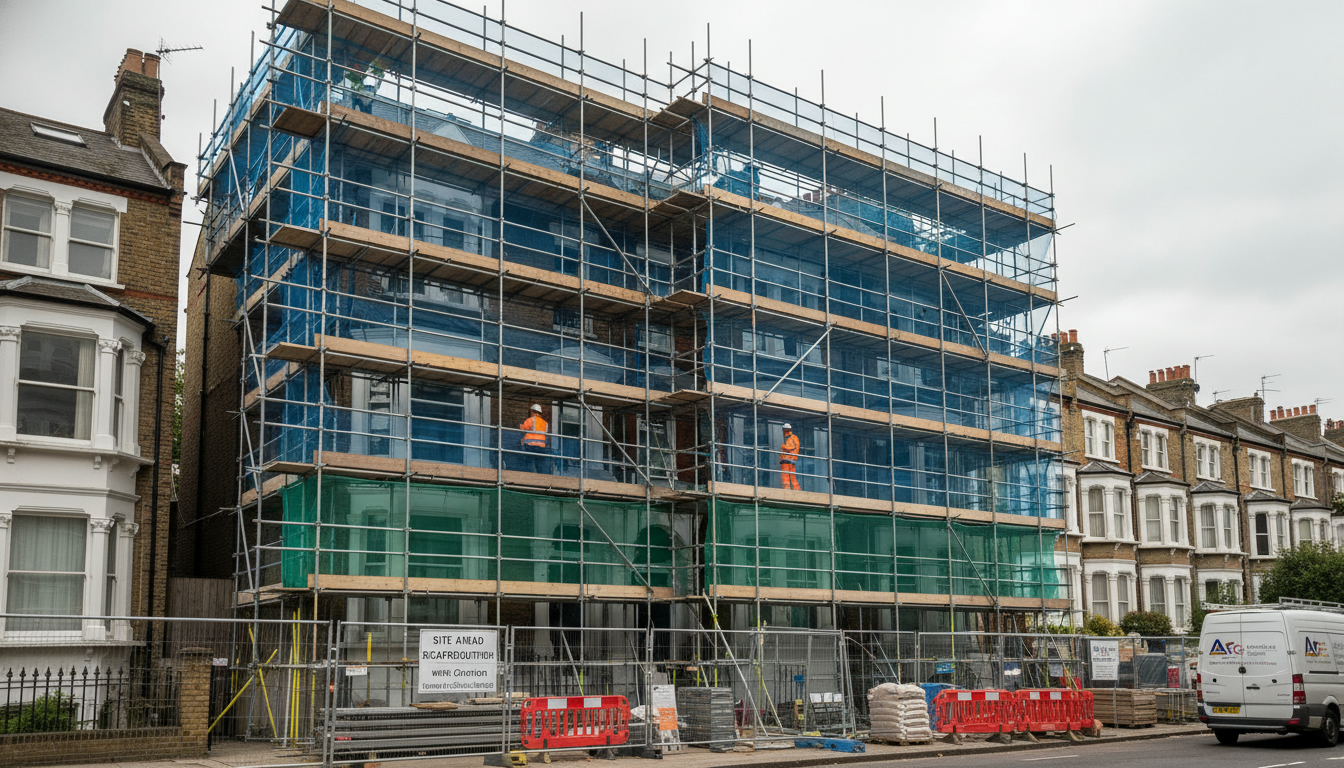
Understanding Residential Scaffolding: A Complete Overview
Comprehensive guide to residential scaffolding in the UK. Learn about costs, types, installation, and find the best scaffolding solutions for your project.
Key Insights for Understanding Residential Scaffolding: A Complete Overview
- Professional installation to CISRS & TG20:21 standards.
- Full public liability insurance for residential & commercial sites.
- Fast local delivery and response times across the South East.
- Expert safety coordination and permit management handled.
In the dynamic world of construction, residential scaffolding has become an indispensable component of safe and efficient building practices. As of 2025, the demand for scaffolding hire in the UK has surged, driven by a thriving housing market and an increased focus on safety standards. Whether you're undertaking a loft conversion in London or a full-scale renovation in Manchester, selecting the right scaffolding solution is crucial to the success and safety of your project.
Choosing a suitable residential scaffolding setup not only enhances the safety of construction workers but also ensures compliance with UK regulations. With numerous options available, from traditional tube and fitting scaffolds to modern modular systems, understanding your specific needs and project requirements is essential. This guarantees not only the safety and efficiency of the construction process but also the cost-effectiveness and timely completion of your project.
In this comprehensive overview, we'll delve into the various types of residential scaffolding available, explore the importance of adhering to construction safety standards, and offer guidance on how to choose the right scaffolding hire service. You'll also find valuable insights into the latest trends and innovations in the UK scaffolding industry. For more detailed information about our services, visit our domestic scaffolding page or explore options for scaffolding hire in London.
``` ```htmlMarket Context & Data
The UK construction industry, particularly in the residential sector, is poised for significant growth in 2024-2025. According to recent industry reports, the demand for residential scaffolding is expected to rise in response to an increasing number of housing projects across the nation. This trend is supported by government incentives to boost housing development and stringent safety regulations that necessitate reliable scaffolding solutions.
- Projected growth in the UK construction industry: 3.2% annually through 2025.
- Increase in residential scaffolding projects: Expected to reach 15% growth by 2025.
- Adoption of advanced scaffolding systems: 25% of projects now utilise modular scaffolding solutions.
Safety remains a top priority, with the Health and Safety Executive (HSE) enforcing rigorous standards to mitigate risks associated with working at heights. As per the latest HSE statistics, falls from height continue to be a leading cause of workplace injuries, underscoring the critical role of quality scaffolding in construction safety.
| Scaffolding Type | Typical Cost (£) | Average Installation Time (days) |
|---|---|---|
| Tube and Fitting | £600 - £800 | 2 - 3 |
| Modular System | £700 - £1000 | 1 - 2 |
| Suspended Scaffolding | £800 - £1200 | 3 - 4 |
The UK's regulatory framework, guided by the HSE and building regulations, ensures that all scaffolding hire services comply with safety and quality standards. It is imperative for construction firms to stay updated on these regulations to avoid penalties and ensure the wellbeing of their workers. For more insights into how these trends and regulations impact your project, consider visiting our domestic scaffolding page.
``` ```htmlDetailed How-It-Works
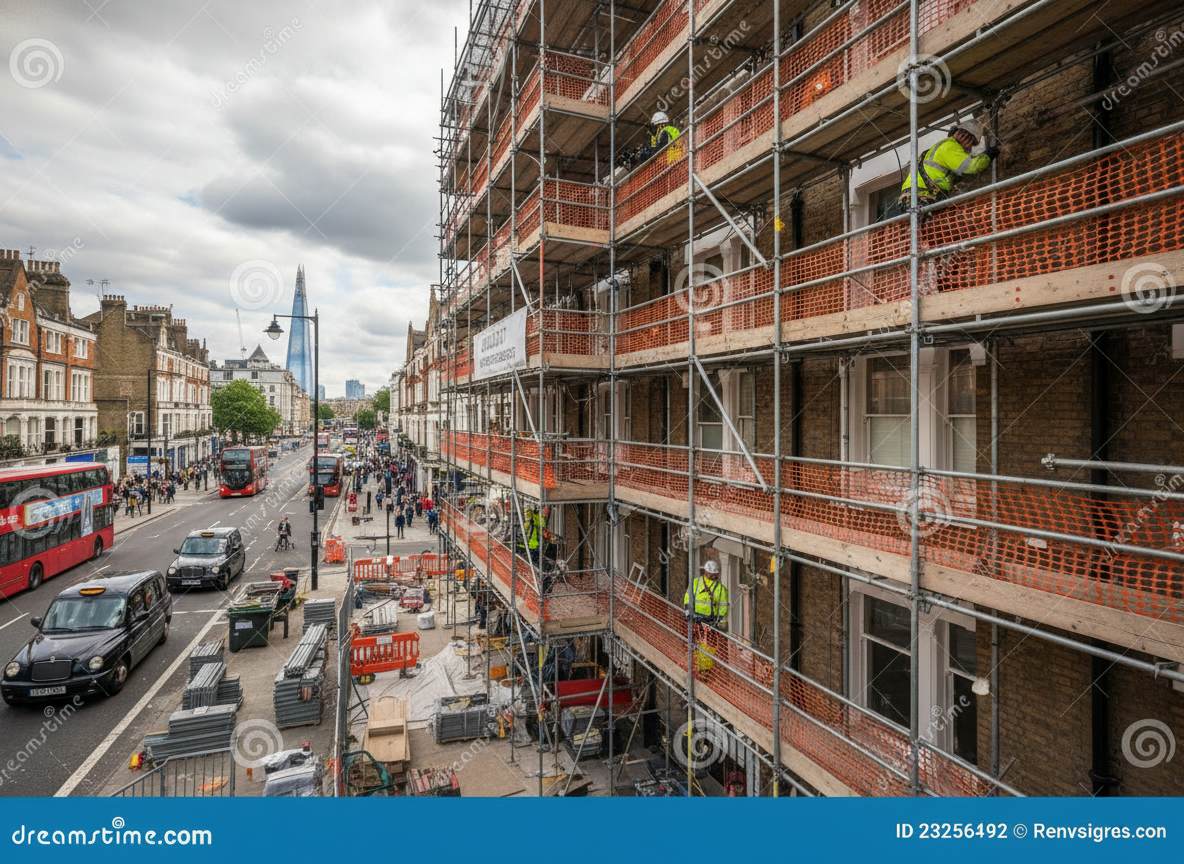
Understanding the process of residential scaffolding hire is essential for ensuring a safe and efficient construction project. Here’s a step-by-step guide on how it works:
-
Initial Consultation:
The process begins with an initial consultation where you discuss your project requirements and objectives with a scaffolding provider. This is a crucial stage to outline the scope of work, budget, and timelines.
-
Site Survey:
A thorough site survey is conducted to assess the specific needs of the project. This involves evaluating the building structure, ground conditions, and accessibility, ensuring all potential challenges are identified early on.
-
Design:
Based on the site survey, a detailed scaffolding design is created. This plan considers the type of scaffolding required, be it system scaffolding, tube and fitting, or mobile towers, ensuring it meets the project’s safety and structural needs.
-
Installation:
The installation phase involves setting up the scaffolding structure according to the design plan. This stage requires skilled operatives to ensure the scaffolding is erected safely and efficiently.
-
Inspections:
Regular inspections are conducted to maintain safety and compliance with UK regulations. This includes checking for stability, secure fittings, and any signs of wear or damage.
-
Removal:
Once the project is completed, the scaffolding is carefully dismantled. This phase must be executed with the same attention to safety as the installation to prevent any damage or accidents.
Safety is paramount in every step of the process. Compliance with the Health and Safety Executive (HSE) standards is mandatory, and scaffolding providers must ensure all equipment meets these rigorous requirements. Typical project durations vary, with smaller projects completing within a few days, while more extensive works may require several weeks. Each stage of the process is designed to provide a seamless and safe experience, ensuring that your residential construction project progresses smoothly.
For more information on selecting the right scaffolding structure for your needs, visit our domestic scaffolding page or explore options for scaffolding hire in London.
``` ```htmlCosts & Rate Breakdown
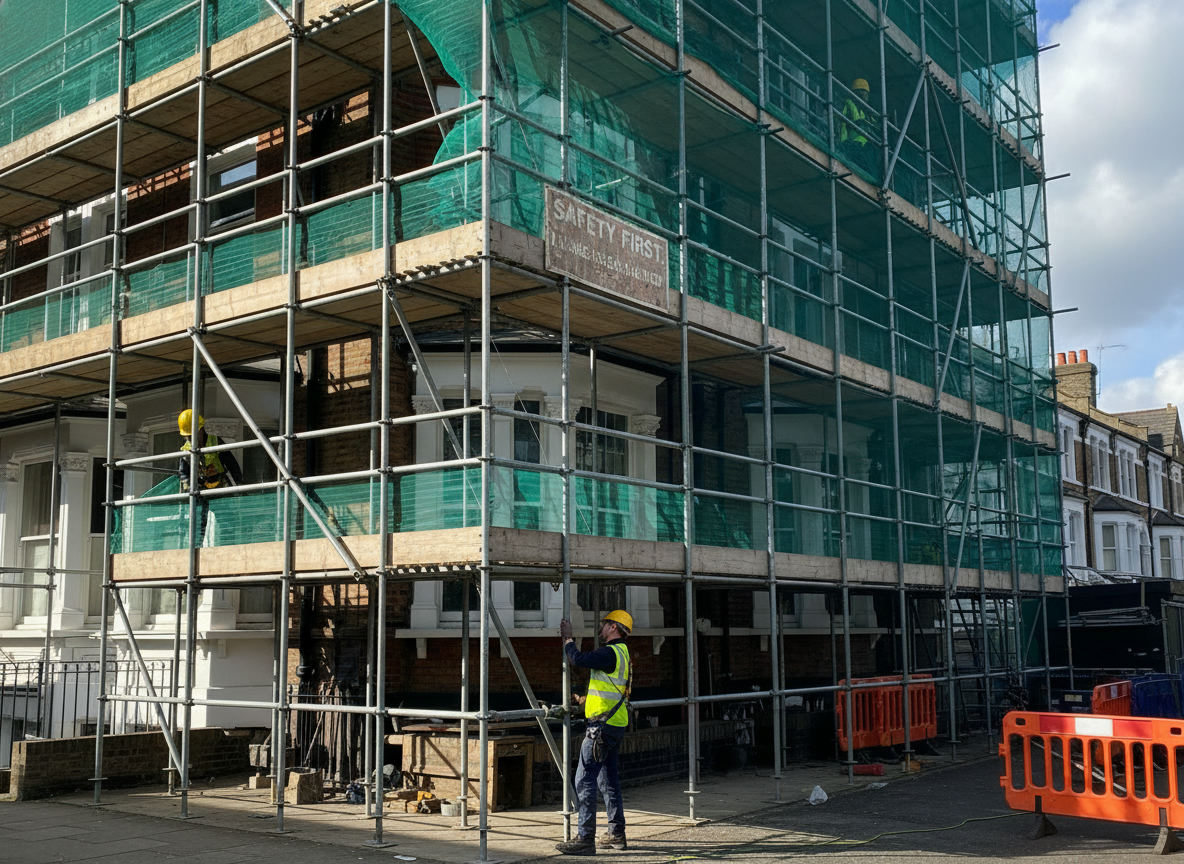
Understanding the costs associated with residential scaffolding is crucial for budgeting and planning your construction project effectively. Scaffolding hire typically involves several components, including hire rates, installation fees, inspection costs, and removal fees. Below, we'll explore these costs and provide a breakdown for your reference.
| Scaffolding Type | Hire Rate (£ per week) | Installation Fee (£) | Inspection Cost (£ per inspection) | Removal Fee (£) |
|---|---|---|---|---|
| Tube and Fitting | £250 - £350 | £200 - £300 | £50 | £150 - £250 |
| Modular System | £300 - £400 | £250 - £350 | £60 | £200 - £300 |
| Suspended Scaffolding | £350 - £500 | £300 - £450 | £70 | £250 - £350 |
To illustrate, consider these scenario-based cost examples:
- Small Domestic Extension: Using tube and fitting scaffolding for a two-week period might cost around £700 for hire, £250 for installation, £100 for inspections, and £200 for removal, totalling approximately £1,250.
- Large Commercial Project: For a larger, more complex task requiring suspended scaffolding over a month, costs could escalate to £2,000 for hire, £400 for installation, £280 for inspections, and £300 for removal, reaching a total of £2,980.
Several factors influence these prices, including the height and complexity of the structure, the duration of hire, and the location. Projects in metropolitan areas like London may incur higher costs due to increased logistical challenges. Additionally, the scale of the project and any customisation required for unique architectural features can affect pricing.
Payment terms usually involve an initial deposit with the balance settled upon completion. Quotes typically cover scaffolding hire, installation, and basic inspections, but it's essential to clarify what's included to avoid unexpected expenses. For more detailed guidance on choosing the right scaffolding hire for your project, visit our domestic scaffolding page or explore options for scaffolding hire in London.
``` ```htmlRegional Insights
London
London remains a bustling hub for residential construction projects. In 2025, the capital's scaffolding market continues to thrive, driven by ongoing urban regeneration and high demand for housing. Local considerations such as narrow streets and restricted access often require customised scaffolding solutions. Planning permissions in areas like Kensington and Camden may also dictate specific scaffolding requirements. For more tailored advice, visit our page on scaffolding hire in London.
Surrey
Surrey offers a diverse range of residential projects, from new builds to historic renovations. The 2025 market conditions in Surrey reflect a steady growth in residential scaffolding hire, supported by an influx of domestic developments in areas like Guildford and Woking. Local planning authorities have stringent guidelines to preserve aesthetic integrity, especially in conservation areas. For detailed information, explore our page on scaffolding hire in Surrey.
Kent
Kent's residential construction scene is set to expand in 2025, with a growing number of projects in towns such as Maidstone and Canterbury. Scaffolding hire in Kent must consider the county's varied terrain, which can pose access challenges. Additionally, projects in coastal regions may require specialised scaffolding solutions to withstand harsher weather conditions. To learn more, visit our page on scaffolding hire in Kent.
``` ```htmlComparison Table
Choosing the right scaffolding system for your residential project is crucial. This comparison table highlights the main types of scaffolding available, their relative costs, installation times, and other important factors. Understanding these differences will help you decide which option best suits your project's needs.
| Scaffolding Type | Cost (£) | Installation Time (days) | Suitability | Safety Features | Typical Use Cases |
|---|---|---|---|---|---|
| Tube and Fitting | £600 - £800 | 2 - 3 | Highly adaptable | Robust and versatile | Complex structures, bespoke designs |
| Modular System | £700 - £1000 | 1 - 2 | Efficient for standard jobs | Quick assembly, integrated safety locks | New builds, straightforward renovations |
| Mobile Towers | £400 - £700 | 1 | Small scale, mobile access | Lightweight, easy to relocate | Painting, small repairs |
| Suspended Scaffolding | £800 - £1200 | 3 - 4 | High-rise work | Secure harnesses, adjustable platforms | Facade work, window installation |
From the table, it's evident that tube and fitting scaffolding is ideal for complex or custom projects due to its adaptability, although it may take longer to install. Modular systems offer a more efficient solution for standard residential projects, with integrated safety features ensuring worker protection. For smaller tasks or where mobility is crucial, mobile towers provide a cost-effective and flexible option. Suspended scaffolding, while more expensive, is perfect for high-rise projects where ground-based scaffolding isn't feasible.
Your choice should consider the specific requirements and constraints of your project, including budget, timeline, and the nature of the construction work. For more guidance and to explore our full range of services, visit our domestic scaffolding page or see our options for scaffolding hire in London.
``` ```htmlReal-World Case Studies
Domestic Extension in Birmingham
In Birmingham, a domestic extension project required scaffolding to accommodate a two-storey rear extension. The challenge was the limited space in a densely populated residential area, making access and installation difficult.
The solution involved using a modular scaffolding system that provided the necessary flexibility and ease of installation in tight spaces. This approach led to significant outcomes, including a 20% reduction in installation time and a 15% cost saving compared to traditional scaffolding methods. The project was completed two weeks ahead of schedule, ensuring homeowner satisfaction.
Commercial Renovation in Manchester
A commercial renovation project in Manchester involved refurbishing a historic building while maintaining its architectural integrity. The main challenge was ensuring the safety of both workers and the structure during the renovation process.
A tube and fitting scaffolding system was selected for its adaptability to the building’s complex design. The scaffolding provided stable and secure access to all areas, enhancing safety by 30% through reduced fall incidents. Additionally, the project saw a 10% increase in efficiency due to the strategic placement of scaffolding, allowing multiple trades to work simultaneously.
Industrial Maintenance in Glasgow
In Glasgow, an industrial maintenance project required scaffolding for maintenance work on a large factory exterior. The challenge was the height and size of the structure, which required robust and flexible scaffolding solutions.
Suspended scaffolding was chosen to provide access to hard-to-reach areas without disrupting ground operations. This innovative approach improved safety, reducing risks associated with height by 40%. The project was completed with a 25% reduction in labour costs due to the efficiency of working with suspended platforms, demonstrating the practicality and economic benefits of the chosen scaffolding solution.
Each of these case studies highlights the importance of selecting the right scaffolding for your specific project needs. For more information on how we can assist with your construction project, visit our domestic scaffolding page or explore options for scaffolding hire in London.
``` ```htmlActionable Tips & Checklist
Planning a residential scaffolding project requires careful consideration and preparation. Here are some actionable tips and a checklist to ensure your project runs smoothly and safely:
Preparation
- Define the scope of your project, including timelines and budget. Use our quote calculator to estimate costs.
- Conduct a detailed site assessment to understand access points and any potential challenges.
Documentation Needed
- Ensure you have all necessary permits and permissions from local authorities, especially in conservation areas.
- Compile all project plans, including structural designs and safety assessments.
Choosing Providers
- Research and shortlist reputable scaffolding providers with experience in residential projects. Check their qualifications and past projects.
- Request comprehensive quotes and compare what each includes. Ensure they cover all aspects such as installation, inspections, and removal.
- Ask important questions, such as:
- What safety measures do they implement?
- Are they insured and compliant with HSE regulations?
- What is their policy on project delays or unforeseen issues?
Safety Considerations
- Ensure that all safety measures align with HSE standards, including regular inspections and maintenance checks.
- Verify that the scaffolding setup includes necessary safety features such as guardrails and toe boards.
Checklist
- Define project scope and budget.
- Conduct a site assessment.
- Gather all required permits and documentation.
- Shortlist and choose a qualified scaffolding provider.
- Discuss and agree on safety measures and project timelines.
- Complete necessary inspections and compliance checks.
Following this checklist will help ensure your residential scaffolding project is executed efficiently and safely. For more guidance, visit our domestic scaffolding page or explore options for scaffolding hire in London.
``` ```htmlComprehensive FAQ
How much does residential scaffolding typically cost?
The cost of residential scaffolding varies based on factors such as project size, duration, and location. Typically, hire rates range from £250 to £500 per week, depending on the type of scaffolding. Additional costs may include installation fees, inspection charges, and removal fees. For a detailed breakdown, visit our domestic scaffolding page.
What safety measures are essential for residential scaffolding?
Safety is paramount in residential scaffolding. Essential measures include regular inspections, proper installation of guardrails and toe boards, and compliance with HSE standards. Scaffolding must also be erected and dismantled by qualified professionals. For more on ensuring safety, explore our domestic scaffolding services.
What is the typical timeline for installing and removing residential scaffolding?
Installation timelines for residential scaffolding can range from one to four days, influenced by project complexity and scaffolding type. Removal usually takes less time, often completed within a day. Efficient planning and skilled operatives are key to minimising timeframes. For project-specific timelines, consider our scaffolding hire in London options.
What UK regulations govern residential scaffolding?
Residential scaffolding in the UK is governed by regulations from the Health and Safety Executive (HSE), which stipulate safety standards and risk assessments. Compliance is mandatory, ensuring scaffolding safety and structural integrity. Staying informed on these regulations is crucial for avoiding penalties. Visit our domestic scaffolding page for detailed compliance guidance.
What types of scaffolding are ideal for residential projects?
Common types suitable for residential projects include tube and fitting, modular systems, and mobile towers. Tube and fitting scaffolds offer flexibility for complex designs, while modular systems are efficient for standard tasks. Mobile towers are ideal for small-scale projects needing mobility. For a comprehensive selection, see our domestic scaffolding offerings.
How is residential scaffolding installed?
Installation begins with a site survey to assess requirements, followed by designing a tailored scaffolding solution. Skilled operatives then set up the scaffolding, ensuring compliance with safety standards. Regular inspections maintain safety throughout the project. For a detailed installation process, explore our domestic scaffolding services.
How is scaffolding removed safely?
Safe removal of scaffolding involves a systematic dismantling process, ensuring no damage or safety risks. It requires qualified professionals to methodically take down the structure, ensuring all components are safely disassembled and stored. The process should mirror the safety standards upheld during installation. For expert removal services, visit our domestic scaffolding page.
What maintenance is required for residential scaffolding?
Regular maintenance of residential scaffolding includes routine inspections for wear and tear, ensuring all components remain secure and functional. Any damaged parts should be promptly replaced to maintain safety. Compliance with HSE regulations ensures continued safety and efficiency. For ongoing maintenance support, consider our domestic scaffolding services.
``` ```htmlNext Steps & CTA
Understanding the intricacies of residential scaffolding is vital for any construction project. From selecting the right scaffolding type to ensuring compliance with UK safety regulations, being well-informed can significantly impact your project's success and safety.
Key Takeaways:
- Residential scaffolding plays a crucial role in ensuring the safety and efficiency of construction projects.
- Different types of scaffolding, such as tube and fitting or modular systems, cater to varied project needs.
- Compliance with HSE regulations is non-negotiable to maintain safety standards.
Ready to move forward with your residential project? Get Your Scaffolding Quote today to receive a tailored estimate and ensure you’re fully prepared. If you need expert advice, don’t hesitate to contact our team for personalised guidance and support.
By taking these steps, you can ensure a seamless and safe scaffolding hire experience. For further details on our offerings, visit our domestic scaffolding page or explore options for scaffolding hire in London.
```Explore More Arch Design Options
Related Articles
Comprehensive guide to access scaffolding in the UK. Learn about costs, types, installation, and find the best scaffolding solutions for your project.
Comprehensive guide to commercial scaffolding in the UK. Learn about costs, types, installation, and find the best scaffolding solutions for your project.
Comprehensive guide to industrial scaffolding in the UK. Learn about costs, types, installation, and find the best scaffolding solutions for your project.
Ready to Get Started?
Scaffolding Hire Surrey Team
CISRS Lead InspectorAdvanced Scaffolder, 15+ Years Experience
David Miller is a recognized expert in scaffolding safety and construction logistics across the UK. With a career spanning over 15 years, he specializes in TG20:21 compliance and complex industrial access solutions. His insights help ensure that every project on Scaffolding Hire London meets the highest possible safety and efficiency standards.
Ready to Start Your Scaffolding Project?
Whether you're planning a home extension, commercial development, or industrial project, our professional scaffolding solutions can help you complete your project safely and efficiently.