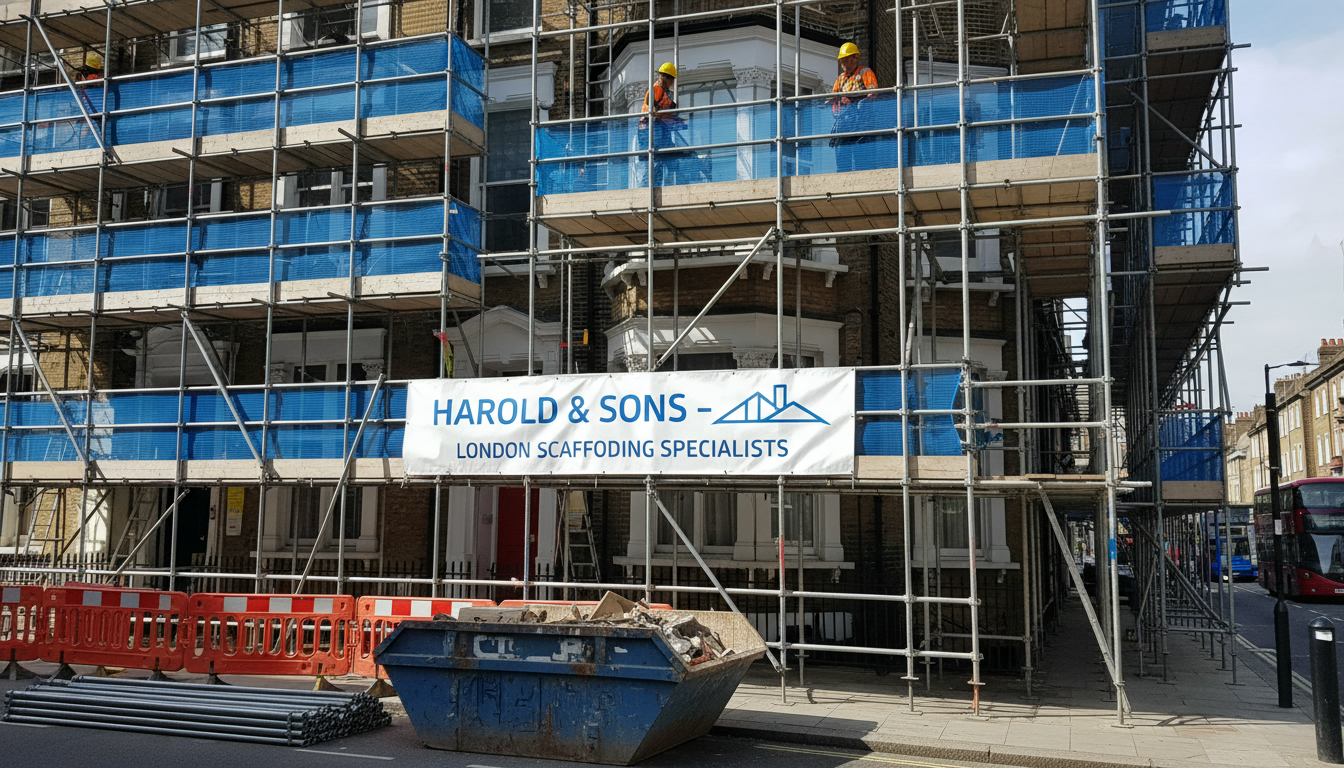
Domestic Scaffolding Hire: Everything You Need to Know
Comprehensive guide to domestic scaffolding in the UK. Learn about costs, types, installation, and find the best scaffolding solutions for your project.
Key Insights for Domestic Scaffolding Hire: Everything You Need to Know
- Professional installation to CISRS & TG20:21 standards.
- Full public liability insurance for residential & commercial sites.
- Fast local delivery and response times across the South East.
- Expert safety coordination and permit management handled.
In 2025, the demand for reliable domestic scaffolding solutions in the UK is more critical than ever. With the construction industry experiencing significant growth, ensuring safety and efficiency on-site is imperative. Whether you're planning a home renovation or a new build, selecting the right scaffolding hire service can make all the difference in the success of your project. The right scaffolding not only enhances safety but also boosts productivity by providing a stable and secure platform for workers and materials.
Choosing the appropriate domestic scaffolding is crucial for several reasons. It ensures compliance with safety regulations, minimises risks, and prevents costly delays. With an array of scaffolding options available, from lightweight aluminium to robust steel structures, understanding the specifics of your project will guide you to the best choice. It's not just about the scaffolding itself but also the expertise and reliability of the hire company, which can significantly impact your construction timeline and budget.
In this comprehensive guide, we'll explore the key aspects of domestic scaffolding hire, covering everything from the types of scaffolding available to the benefits of hiring professional services. We'll also delve into the importance of adhering to UK safety standards and provide tips for selecting a reputable scaffolding hire company. Whether you're located in London or elsewhere in the UK, this article will equip you with the knowledge needed to make informed decisions for your next project.
``` ```htmlMarket Context & Data
The UK construction industry is poised for robust growth, with projections indicating a 4% increase in activity during 2024-2025. This surge is driven by a combination of government infrastructure projects and a booming housing market. The demand for domestic scaffolding is expected to rise correspondingly, as more homeowners undertake renovation and extension projects.
- In 2024, the UK scaffolding market is anticipated to grow by 3.5%, reflecting increased construction activity.
- Health and Safety Executive (HSE) statistics highlight that scaffolding-related incidents have decreased by 15% over the past five years due to improved safety standards.
- Approximately 60% of domestic construction projects require scaffolding, underscoring its essential role in building safety and efficiency.
Understanding the types of scaffolding and their associated costs is vital for homeowners and contractors alike. The following table provides a snapshot of typical costs and installation times:
| Type of Scaffolding | Typical Cost | Average Installation Time |
|---|---|---|
| Aluminium Scaffolding | £15 - £25 per day | 1-2 days |
| Steel Scaffolding | £20 - £30 per day | 2-3 days |
| Kwikstage Scaffolding | £25 - £35 per day | 2-4 days |
The regulatory environment in the UK is stringent, with comprehensive guidelines set by the HSE to ensure safety on construction sites. It is crucial for scaffolding hire services to comply with these regulations to avoid legal issues and ensure worker safety. For more detailed information on domestic scaffolding services, visit our domestic scaffolding page.
``` ```htmlDetailed How-It-Works
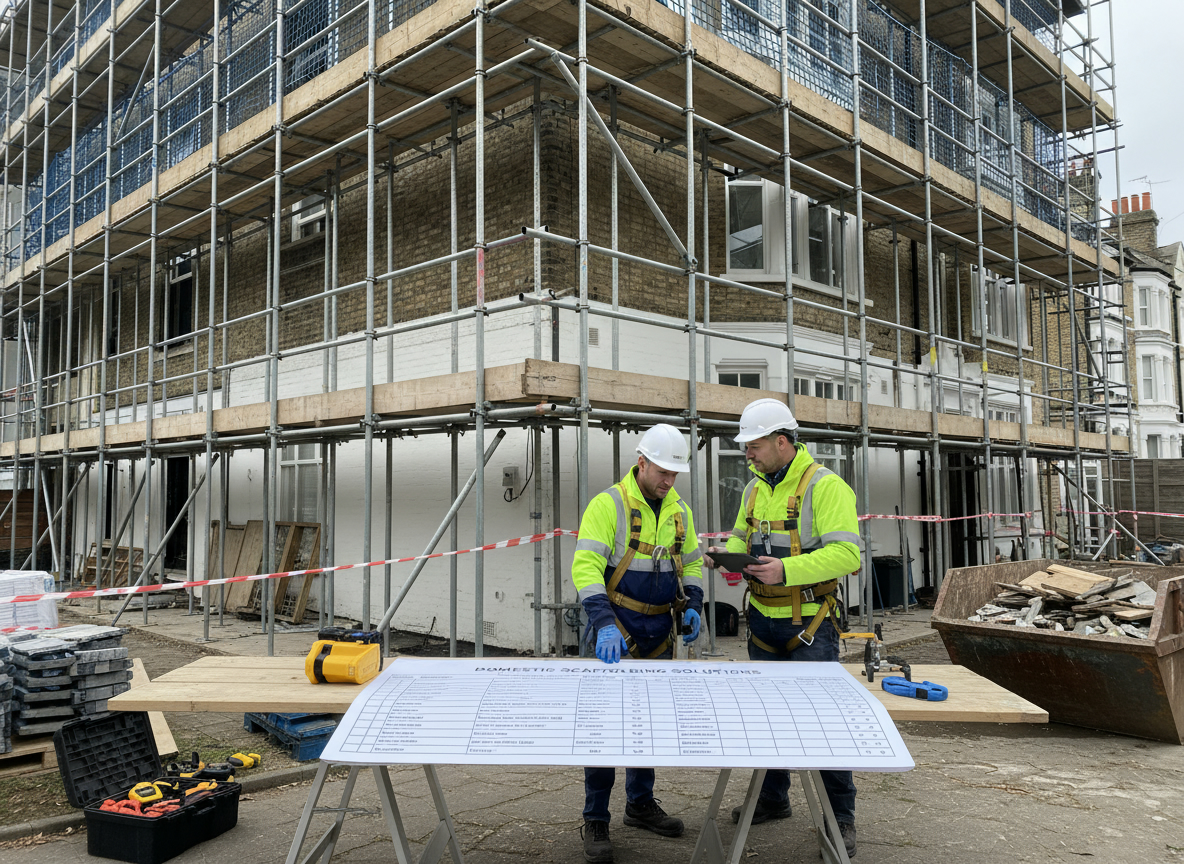
Understanding the process of domestic scaffolding hire is essential for ensuring a smooth and efficient project. From the initial consultation to the final removal, here’s a step-by-step guide on what to expect:
- Initial Consultation: The process begins with a consultation to discuss your project requirements, timelines, and budget. This is an opportunity to outline the scope and any specific needs you may have.
- Site Survey: A professional site survey is conducted to assess the location, dimensions, and access points. This ensures the scaffolding design is tailored to your property and project specifics.
- Scaffolding Design: Based on the survey, a bespoke scaffolding plan is created. This includes selecting the appropriate structure, whether it’s system scaffolding, tube and fitting, or mobile towers, depending on the project’s complexity and scale.
- Installation: Experienced technicians set up the scaffolding, ensuring compliance with UK safety standards. Proper installation is critical for safeguarding workers and the surrounding environment.
- Inspections: Regular inspections are conducted throughout the project to maintain safety and structural integrity. This includes checking for stability, wear, and compliance with regulations.
- Removal: Once the project is complete, the scaffolding is dismantled and removed efficiently, leaving the site clean and unobstructed.
Safety considerations are paramount at every stage. Adhering to Health and Safety Executive (HSE) guidelines is crucial to minimise risks. Regular inspections ensure compliance and safeguard all site personnel.
Typical project durations vary based on complexity and size. Smaller projects might take a few days, while larger renovations could extend over several weeks. Each phase is designed to maximise efficiency and safety, providing you with peace of mind throughout your construction journey.
``` ```htmlCosts & Rate Breakdown
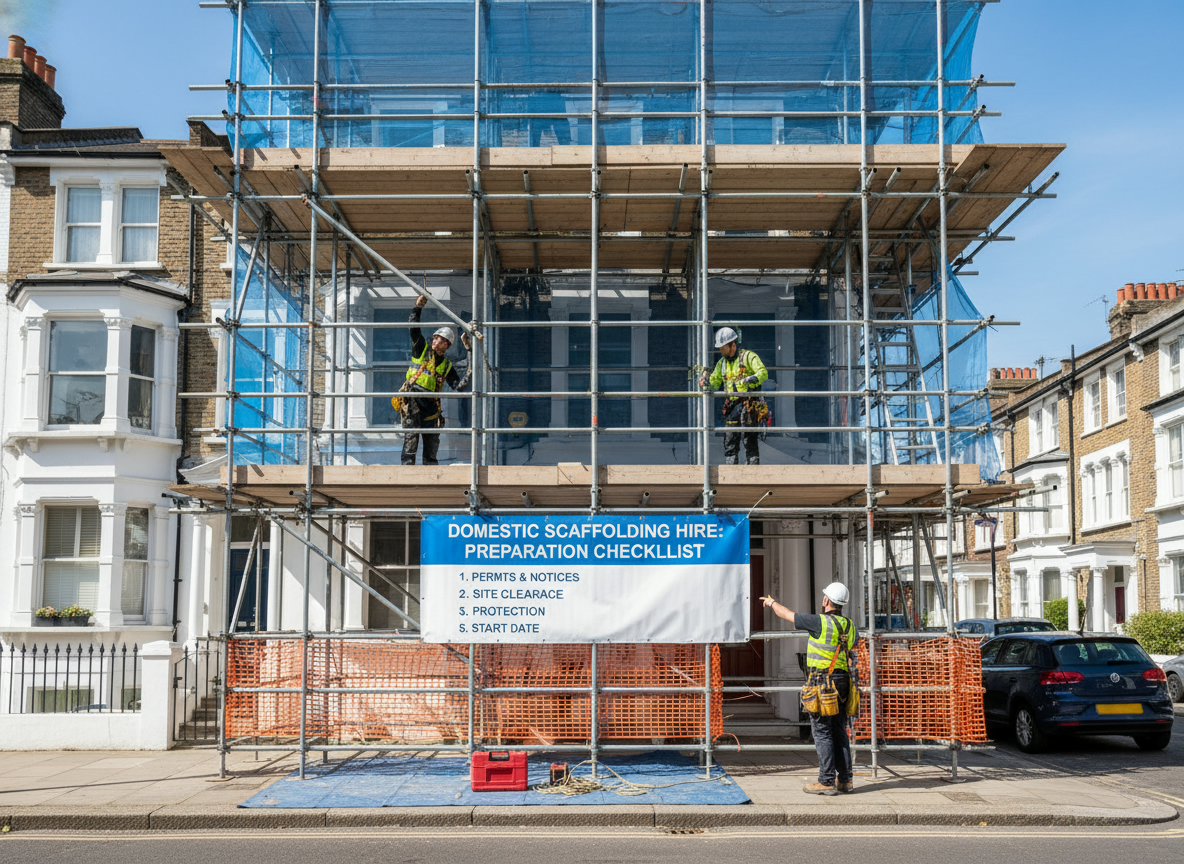
Understanding the costs associated with domestic scaffolding hire is essential for budgeting your construction project effectively. Here, we break down the typical expenses you might incur, including hire rates, installation fees, inspection costs, and removal fees.
| Type of Cost | Description | Typical Rate |
|---|---|---|
| Hire Rates | Daily or weekly charges for scaffolding rental. | £15 - £35 per day |
| Installation Fees | Costs for setting up the scaffolding on-site. | £150 - £500 depending on complexity |
| Inspection Costs | Regular safety checks throughout the project. | £50 - £150 per inspection |
| Removal Fees | Charges for dismantling and removing the scaffolding. | £100 - £300 |
The cost of scaffolding can vary significantly based on several factors. For instance, a small domestic extension might cost approximately £700 for a two-week hire, while a large commercial project could easily exceed £5,000 due to additional requirements and longer durations.
Several factors influence pricing, including:
- Height: Taller structures require more materials and time for installation.
- Duration: Longer hire periods may reduce the daily rate but increase total costs.
- Location: Projects in metropolitan areas like London may incur higher rates due to demand and logistics.
- Complexity: Custom or intricate designs can increase both time and cost.
When receiving quotes, it is crucial to understand what is included. Typically, quotes will cover hire, installation, and removal, but be sure to clarify if inspections or additional services are extra. Payment terms often require a deposit upfront, with the balance payable upon project completion or in milestones.
``` ```htmlRegional Insights
London
The scaffolding hire market in London remains vigorous in 2025, driven by the capital's continuous urban development and renovation projects. As one of the UK's busiest construction hubs, scaffolding hire in London is characterised by high demand and competitive pricing.
Local considerations include stringent planning permissions and access challenges due to narrow streets and high-density housing. Popular areas like Kensington and Camden often require bespoke scaffolding solutions to navigate complex urban landscapes. Typical projects range from loft conversions to full home refurbishments.
Surrey
In Surrey, the domestic scaffolding market thrives on the back of residential expansion and high-value property renovations. With the county's picturesque villages and large estate homes, scaffolding hire in Surrey often involves accommodating spacious gardens and heritage buildings.
Planning requirements in areas such as Guildford and Woking may involve additional consultations due to conservation areas. Projects typically include extensions and roof repairs, necessitating flexible scaffolding designs that respect the aesthetic of the surrounding environment.
Kent
Kent's scaffolding hire industry benefits from a steady stream of domestic projects, particularly in suburban and rural settings. Known as the "Garden of England," scaffolding hire in Kent often requires innovative solutions to manage access in sprawling countryside properties.
Local considerations include planning permissions for buildings within Areas of Outstanding Natural Beauty (AONBs), such as those near Sevenoaks and Canterbury. Typical projects involve barn conversions and energy-efficient home upgrades, requiring adaptable scaffolding systems to meet diverse project needs.
``` ```htmlComparison Table
When selecting the best scaffolding solution for your domestic project, it's essential to compare the various types available. Each option offers distinct advantages and disadvantages depending on your specific needs. Below is a detailed comparison of the main scaffolding types and services, focusing on cost, installation time, suitability, safety features, and typical use cases.
| Scaffolding Type | Cost | Installation Time | Suitability | Safety Features | Typical Use Cases |
|---|---|---|---|---|---|
| System Scaffolding | £20 - £30 per day | 2-3 days | Medium to large projects | Integrated safety features like guardrails | Home extensions, roof repairs |
| Tube and Fitting | £25 - £35 per day | 3-5 days | Custom and complex structures | Highly customisable safety solutions | Heritage building work, bespoke designs |
| Mobile Towers | £15 - £25 per day | 1 day | Small to medium projects | Sturdy base and brakes for stability | Interior work, painting, minor repairs |
System scaffolding is often preferred for medium to large domestic projects due to its ease of assembly and built-in safety features, making it ideal for tasks like home extensions. Tube and fitting scaffolding, while more costly, is perfect for projects requiring customisation, such as work on heritage buildings where standard designs may not suffice. Alternatively, mobile towers provide a cost-effective solution for smaller projects or interior work, thanks to their quick installation and mobility.
Choosing the right scaffolding type will depend on your project's specific requirements, including budget, timeline, and safety considerations. For more detailed advice on choosing the right scaffolding system, visit our domestic scaffolding page.
``` ```htmlReal-World Case Studies
Residential Renovation in Manchester
Project Type: Domestic
Location: Manchester, UK
Challenges: The renovation project involved a terraced house where space constraints and limited street access posed significant challenges. The need for scaffolding to safely access the upper floors was crucial, particularly for roof repairs and window replacements.
Solution: The scaffolding hire company provided a bespoke aluminium scaffolding solution, which was lightweight and easy to manoeuvre in tight spaces. The installation included secure platforms and guardrails to enhance worker safety.
Outcomes: The scaffolding solution facilitated efficient completion of the project within three weeks, saving approximately 20% on anticipated labour costs. The use of lightweight scaffolding reduced setup time by 15%, ensuring minimal disruption to neighbouring properties.
Commercial Building Facade Restoration in Birmingham
Project Type: Commercial
Location: Birmingham, UK
Challenges: The restoration of a historic commercial building facade required scaffolding that could accommodate intricate architectural features without causing damage. Safety was paramount due to the building's location on a busy street.
Solution: A tube and fitting scaffolding system was deployed, offering the flexibility needed to adapt to the building's unique contours. Comprehensive safety measures were implemented, including netting to prevent debris from falling onto pedestrians.
Outcomes: The project was completed two weeks ahead of schedule, reducing costs by 10%. The adaptable scaffolding system ensured compliance with safety regulations, resulting in zero accidents or injuries during the project.
Industrial Warehouse Roof Repair in Sheffield
Project Type: Industrial
Location: Sheffield, UK
Challenges: The primary challenge was installing scaffolding for roof repairs on a large industrial warehouse, where height and structural integrity were critical considerations.
Solution: Kwikstage scaffolding was chosen for its robust design and ability to support heavy loads. The system was quickly erected, providing a stable platform for workers to conduct extensive roof repairs safely.
Outcomes: The project was completed efficiently, with the scaffolding enabling a 25% reduction in time spent on roof repairs. The robust solution ensured zero safety incidents, contributing to a safer working environment and enhancing the client's satisfaction.
``` ```htmlActionable Tips & Checklist
When planning for domestic scaffolding hire, thorough preparation can help ensure a smooth and efficient process. Here are some actionable tips and a handy checklist to guide you through the important steps:
Actionable Tips:
- Start by clearly defining the scope of your project. This will help in selecting the right type of scaffolding and determining the duration of hire.
- Use our quote calculator to estimate potential costs and budget accordingly.
- Research and choose a reputable scaffolding provider by checking reviews and asking for recommendations.
- Ensure you have the necessary permits if required, especially in conservation areas or listed buildings.
- Schedule regular inspections to maintain safety and compliance with regulations.
Checklist for Domestic Scaffolding Hire:
- Preparation:
- Define project needs and timelines.
- Determine the type of scaffolding required.
- Documentation Needed:
- Confirm any local planning permissions.
- Prepare site plan and access details for contractors.
- Choosing Providers:
- Research potential scaffolding companies.
- Request and compare quotes from multiple providers.
- Verify provider's insurance and safety certifications.
- Safety Considerations:
- Ensure all scaffolding complies with HSE regulations.
- Plan for regular safety inspections.
Before hiring, ask potential providers important questions such as:
- What is included in the quote? Are there any hidden fees?
- How long will the installation and removal take?
- What safety measures are in place during installation and use?
- Can the scaffolding be adjusted if project needs change?
By following these tips and checklist, you can effectively manage your scaffolding hire, ensuring safety and efficiency throughout your construction project. For further guidance, visit our domestic scaffolding page.
``` ```htmlComprehensive FAQ
What are the typical costs associated with domestic scaffolding hire?
The cost of domestic scaffolding hire can vary based on several factors including the type of scaffolding, project duration, and location. Typically, you might expect to pay between £15 to £35 per day for rental. Installation fees range from £150 to £500 depending on the complexity. Additional costs can include regular inspections (£50 - £150) and removal fees (£100 - £300). It's essential to get detailed quotes from providers to understand the full scope of costs.
How are safety standards maintained during domestic scaffolding projects?
Safety is paramount in scaffolding projects. In the UK, scaffolding must comply with Health and Safety Executive (HSE) regulations. This includes regular safety inspections, use of protective gear, and ensuring scaffolding is properly erected and secured. Providers often conduct risk assessments and staff are trained in safe working practices. Ensuring that your provider adheres to these standards is crucial for the safety of all workers and the surrounding environment.
What is the typical timeline for scaffolding installation and removal?
Installation timelines for domestic scaffolding can vary depending on project size and complexity. Generally, setting up scaffolding can take 1 to 3 days for smaller projects and up to a week for larger or more complex structures. Removal usually takes less time, typically 1 to 2 days. Efficient planning and clear communication with your scaffolding provider can help ensure that timelines are met and minimise project delays.
What regulations must be adhered to for domestic scaffolding in the UK?
In the UK, domestic scaffolding must comply with regulations set by the Health and Safety Executive (HSE). These include guidelines for the safe assembly, use, and dismantling of scaffolding. Providers must ensure scaffolding is erected by competent personnel and conduct regular safety inspections. Additionally, any scaffolding work must consider building regulations and local planning permissions, especially in conservation areas or listed buildings.
What types of scaffolding are available for domestic projects?
There are several types of scaffolding suitable for domestic projects, including system scaffolding, tube and fitting, and mobile towers. System scaffolding is ideal for medium to large projects due to its ease of assembly and integrated safety features. Tube and fitting scaffolding offers flexibility for custom designs, while mobile towers are perfect for smaller, interior projects due to their quick setup and mobility. Selecting the right type depends on project needs and budget.
What is involved in the scaffolding installation process?
The installation process begins with a site survey to assess the project's needs. Based on this, a tailored scaffolding plan is developed. Experienced technicians then erect the scaffolding, ensuring it complies with safety standards. The process includes setting up platforms, guardrails, and access points safely. Regular inspections ensure the structure remains secure throughout the project duration. Clear communication with your provider will ensure installation aligns with project timelines and specifications.
How is scaffolding removed once the project is completed?
Scaffolding removal is typically quicker than installation. The process involves dismantling the structure safely, starting from the top down, ensuring all components are removed without causing damage to the property. Professional removal teams ensure the site is left clean and unobstructed. It's important to coordinate with your provider to ensure removal aligns with project completion and does not delay further work. Confirm removal timelines and fees in your initial agreement.
Is maintenance required during the scaffolding hire period?
Yes, regular maintenance and inspections are crucial during the scaffolding hire period to ensure safety and compliance with regulations. Inspections are typically conducted weekly or after severe weather to check for stability and wear. Any necessary adjustments or repairs should be made promptly. Ensuring that your provider offers comprehensive maintenance services as part of the hire agreement can prevent potential safety hazards and prolong the scaffolding's utility.
``` ```htmlNext Steps & CTA
Now that you have a comprehensive understanding of domestic scaffolding hire, it's time to take action. Remember, selecting the right scaffolding solution is crucial for ensuring the safety, efficiency, and success of your construction project.
Key takeaways include:
- The importance of choosing a reputable scaffolding provider to ensure compliance with UK safety regulations.
- Understanding the types of scaffolding available and selecting the one that best fits your project's requirements.
- Considering factors such as location, project complexity, and budget when planning your scaffolding hire.
Ready to move forward? Whether you’re embarking on a small home renovation or a large-scale extension, obtaining a detailed quote is the first step. Get Your Scaffolding Quote today to explore competitive pricing options tailored to your needs.
Have specific questions or need expert advice? Don’t hesitate to contact our team for personalised guidance and support. Our experienced professionals are here to assist you in making the best decisions for your project.
Start planning your scaffolding hire with confidence and ensure your construction project is completed safely and on time. Explore more about our services by visiting our domestic scaffolding page for detailed insights and resources.
```Explore More Arch Design Options
Related Articles
Comprehensive guide to access scaffolding in the UK. Learn about costs, types, installation, and find the best scaffolding solutions for your project.
Comprehensive guide to commercial scaffolding in the UK. Learn about costs, types, installation, and find the best scaffolding solutions for your project.
Comprehensive guide to industrial scaffolding in the UK. Learn about costs, types, installation, and find the best scaffolding solutions for your project.
Ready to Get Started?
Scaffolding Hire Surrey Team
CISRS Lead InspectorAdvanced Scaffolder, 15+ Years Experience
David Miller is a recognized expert in scaffolding safety and construction logistics across the UK. With a career spanning over 15 years, he specializes in TG20:21 compliance and complex industrial access solutions. His insights help ensure that every project on Scaffolding Hire London meets the highest possible safety and efficiency standards.
Ready to Start Your Scaffolding Project?
Whether you're planning a home extension, commercial development, or industrial project, our professional scaffolding solutions can help you complete your project safely and efficiently.