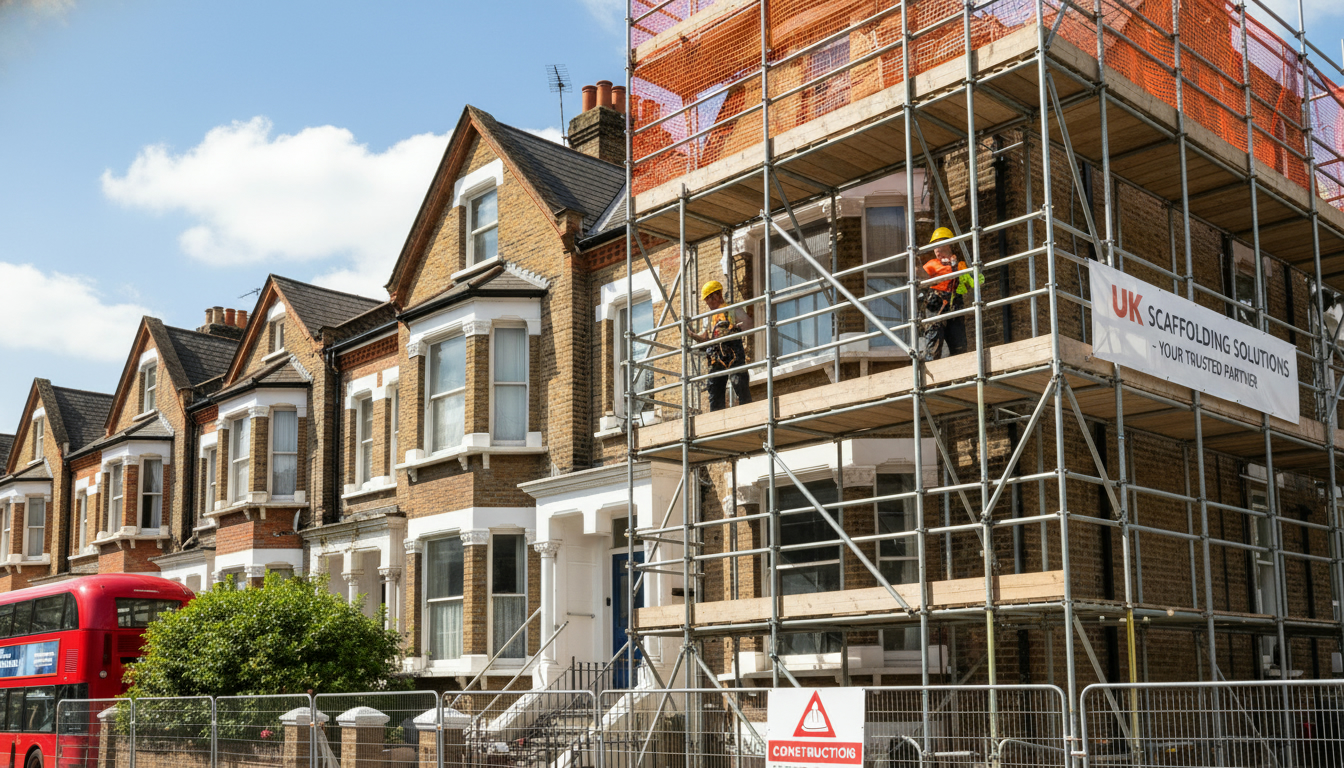
Domestic Scaffolding Cost: Complete Pricing Guide 2025
Comprehensive guide to domestic scaffolding cost in the UK. Learn about costs, types, installation, and find the best scaffolding solutions for your project.
Key Insights for Domestic Scaffolding Cost: Complete Pricing Guide 2025
- Professional installation to CISRS & TG20:21 standards.
- Full public liability insurance for residential & commercial sites.
- Fast local delivery and response times across the South East.
- Expert safety coordination and permit management handled.
As we step into 2025, the UK construction industry continues to evolve, bringing new challenges and opportunities in the realm of scaffolding hire. Whether you're embarking on a home renovation or a major construction project, understanding the domestic scaffolding cost is crucial for budgeting and planning. In this rapidly advancing market, choosing the right scaffolding solution not only impacts your project's efficiency but also its safety and compliance with ever-evolving regulations.
With a focus on innovation and sustainability, the scaffolding sector in the UK has seen significant advancements. Homeowners and builders alike are increasingly aware of the importance of selecting high-quality, reliable scaffolding solutions that meet their unique project needs. As costs fluctuate due to economic and environmental factors, having a clear grasp of domestic scaffolding costs can make a significant difference in ensuring your project runs smoothly and stays on budget.
In this comprehensive guide, we'll delve into the various components that influence the cost of domestic scaffolding in 2025. From understanding the types of scaffolding available and their respective price points to exploring the impact of location and duration on costs, we'll provide you with the insights needed to make informed decisions. Whether you're interested in the specifics of domestic scaffolding services or looking for region-specific information, like scaffolding hire in London, this guide will equip you with the essential knowledge to navigate the scaffolding landscape effectively.
Market Context & Data
The UK scaffolding industry is poised for robust growth as we move through 2024 and into 2025. According to recent market analysis, the demand for domestic scaffolding is expected to rise due to increased investment in home renovation and sustainable building practices. This surge is driven by both regulatory pressures and consumer awareness of safety and environmental impact.
- The UK construction sector is projected to grow by 3% in 2025, with scaffolding playing a crucial role in supporting this expansion.
- There is a notable shift towards lightweight and eco-friendly scaffolding materials, aligning with sustainability goals.
- The Health and Safety Executive (HSE) reports a 5% annual increase in compliance checks, underscoring the emphasis on safety standards.
Understanding the costs associated with different types of scaffolding is essential for effective budgeting. Below is a table summarising key metrics related to domestic scaffolding:
| Scaffolding Type | Typical Cost Range (£) | Average Installation Time (Days) |
|---|---|---|
| Traditional Tube and Fitting | 750 - 1,200 | 2 - 4 |
| System Scaffolding | 900 - 1,500 | 1 - 3 |
| Access Towers | 200 - 500 | 1 - 2 |
With the HSE's intensified focus on construction safety, adherence to building regulations is more critical than ever. This regulatory environment ensures that scaffolding firms in the UK are consistently updating their practices to align with legal requirements. For those considering scaffolding hire in London, it's crucial to partner with providers who are not only competitive on cost but also uncompromising on safety and compliance.
Detailed How-It-Works
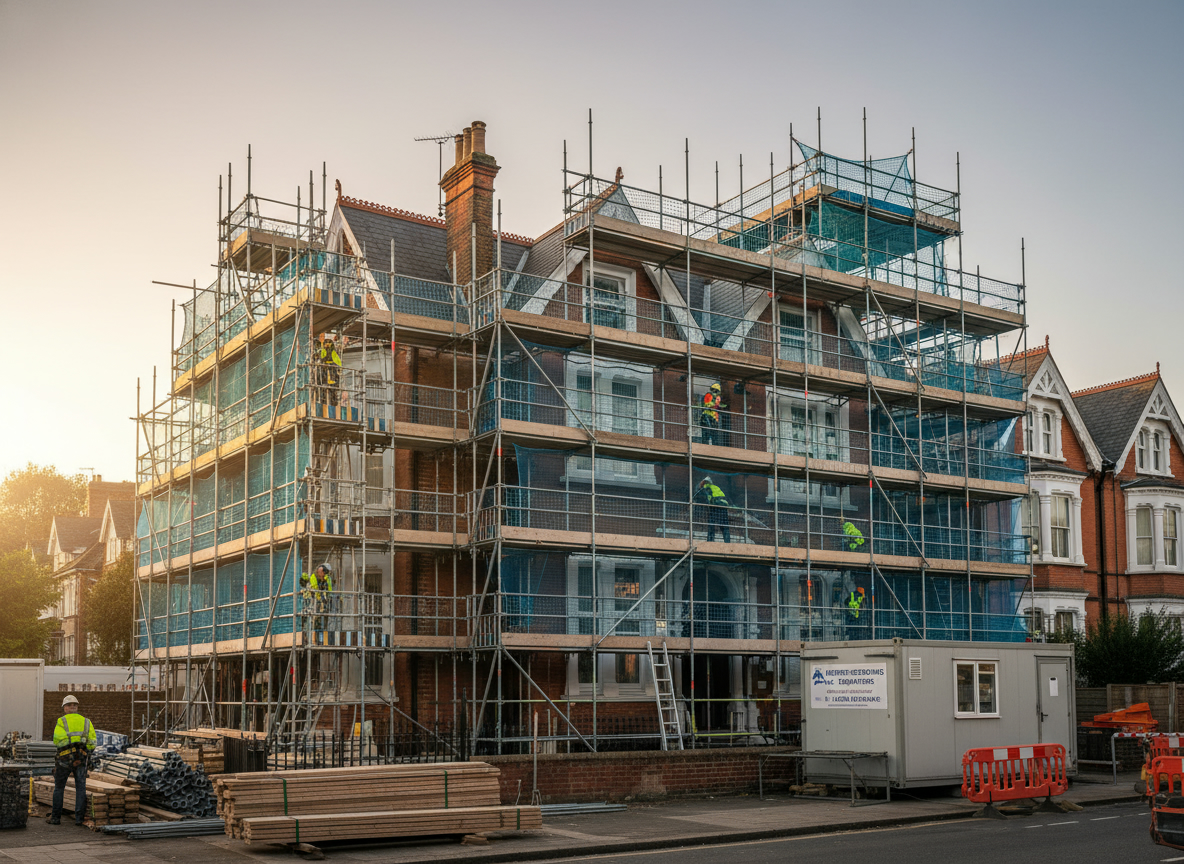
Understanding the process of scaffolding hire can significantly impact both the cost and efficiency of your domestic project. Here's a step-by-step guide to how scaffolding hire typically works in the UK:
- Initial Consultation: The process begins with an initial consultation where you discuss your project requirements with a scaffolding provider. This is an opportunity to outline your needs, whether for a simple home renovation or a more complex construction project.
- Site Survey: A detailed site survey is conducted to assess the area where the scaffolding will be erected. This includes evaluating the site's accessibility, ground conditions, and any potential hazards. The survey helps in deciding the most suitable scaffolding structure, such as system scaffolding, traditional tube and fitting, or mobile tower options.
- Design: Based on the site survey, a bespoke scaffolding design is created to ensure safety and compliance with UK regulations. At this stage, considerations such as load-bearing capacity and weather conditions are taken into account.
- Installation: Professional installers set up the scaffolding according to the design specifications. This step is crucial for ensuring stability and safety, and it typically takes between 1 to 4 days depending on the structure chosen. For instance, system scaffolding in London may be completed quicker due to its modular nature.
- Inspections: Regular inspections are carried out throughout the duration of the project to ensure the scaffolding remains secure and compliant with the Health and Safety Executive (HSE) standards. These inspections are critical for identifying any adjustments needed due to weather changes or project alterations.
- Removal: Once the project is completed, the scaffolding is safely dismantled and removed from the site. This process is handled with care to ensure minimal disruption and adherence to environmental protocols.
Throughout each stage, safety considerations are paramount. Adhering to compliance requirements, such as those set by the HSE, is non-negotiable. Typical project durations can vary, but understanding what to expect at each stage will help you manage time and costs effectively. By choosing a reliable scaffolding provider, you ensure that your project not only complies with safety standards but also stays within budget.
Costs & Rate Breakdown
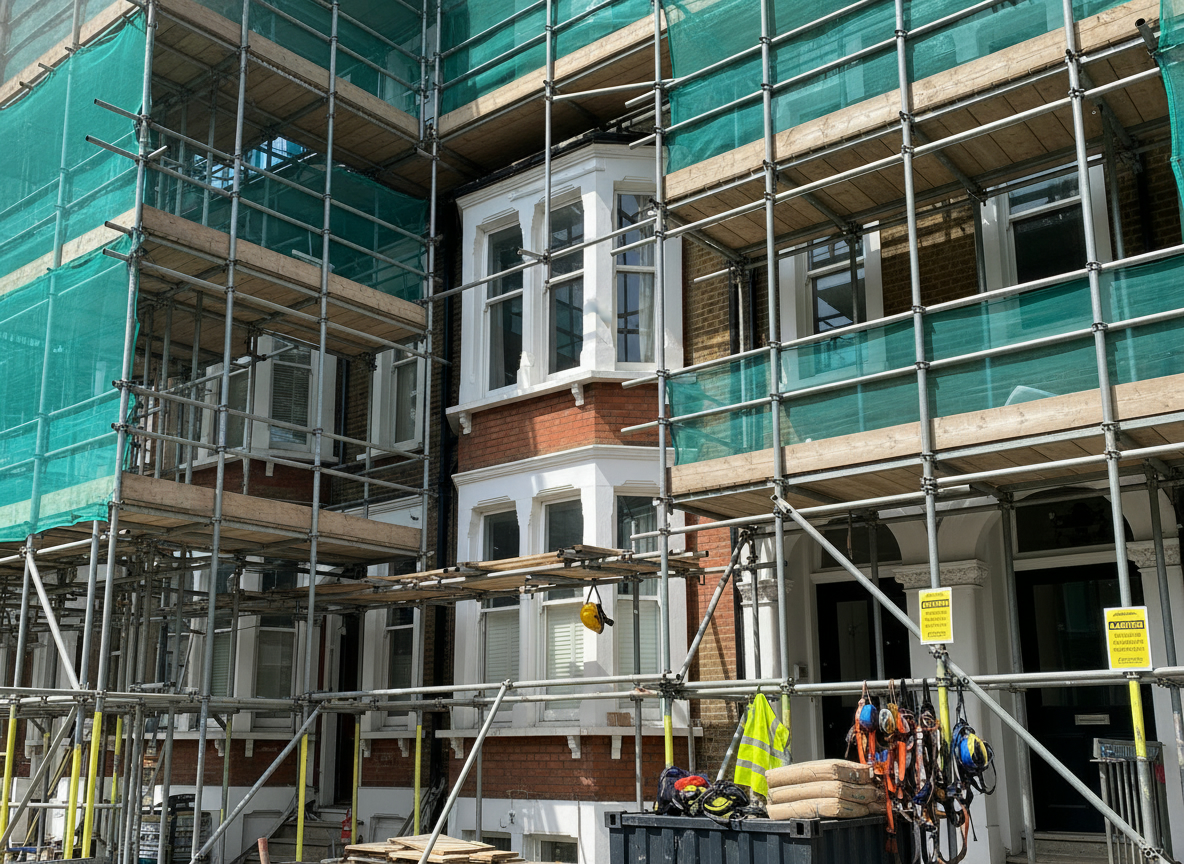
Understanding the domestic scaffolding cost is crucial for effectively budgeting your construction project in 2025. Here, we break down the typical costs and rates associated with scaffolding hire:
- Hire Rates: The cost of hiring scaffolding can vary based on the type and duration. Expect to pay between £750 and £1,200 for traditional tube and fitting scaffolding, while system scaffolding might range from £900 to £1,500.
- Installation Fees: Installation costs are usually included in the hire rate, but for complex structures, there might be additional charges.
- Inspection Costs: Regular inspections are mandatory and typically included in the quote, but additional inspections could incur extra fees.
- Removal Fees: Similar to installation, removal is often part of the package, ensuring the site is left clean and safe.
| Scaffolding Type | Typical Hire Cost (£) | Installation Fee (£) | Inspection Costs (£/inspection) | Removal Fee (£) |
|---|---|---|---|---|
| Traditional Tube and Fitting | 750 - 1,200 | Included | 50 - 100 | Included |
| System Scaffolding | 900 - 1,500 | Included | 50 - 100 | Included |
| Access Towers | 200 - 500 | Included | 50 - 100 | Included |
Scenario-Based Costs: For a small domestic extension, using access towers might cost around £300, whereas a larger project, such as a two-storey extension, could require system scaffolding with costs extending to £1,200 or more.
Several factors affect scaffolding pricing, including the height and complexity of the structure, the duration of hire, and the project's location. For instance, scaffolding hire in London might cost more due to higher demand and logistical challenges.
Payment Terms: Most scaffolding companies require a deposit upfront, with the balance due upon completion. It's essential to clarify what's included in your quote, such as installation, inspections, and removal, to avoid unexpected costs.
By understanding these cost components and negotiating favourable terms, you can ensure your domestic scaffolding project remains on budget while meeting all safety and compliance standards.
Regional Insights
London
As one of the busiest construction hubs in the UK, London presents unique challenges and opportunities when it comes to domestic scaffolding costs. In 2025, the demand for scaffolding in the capital is expected to remain high, driven by ongoing housing developments and renovation projects. The dense urban environment can lead to logistical challenges, such as restricted access to properties and the need for specialised permits, which can affect pricing.
For those seeking scaffolding hire in London, it's crucial to consider these access challenges and the potential for increased costs due to high demand. Popular areas like Hackney and Camden often see a premium on scaffolding services due to their vibrant construction activity.
Surrey
Surrey, known for its picturesque landscapes and affluent residential areas, is experiencing a steady rise in demand for domestic scaffolding services. In 2025, the focus on sustainability and eco-friendly building practices is projected to influence scaffolding costs. Homeowners in regions like Guildford and Woking are increasingly opting for sustainable materials, which can affect pricing but offer long-term benefits.
Local planning requirements in Surrey may also impact project timelines and costs. For detailed information on services available, consider exploring scaffolding hire in Surrey to find providers familiar with regional regulations and environmental considerations.
Kent
Kent, with its mix of urban and rural areas, presents diverse scaffolding needs. In 2025, the domestic scaffolding market in Kent is anticipated to grow, supported by increased home improvement projects in towns like Maidstone and Canterbury. The region's varied terrain can present access challenges, particularly in rural areas, impacting scaffold design and installation costs.
For homeowners in Kent, understanding local planning and compliance requirements is essential. Those considering scaffolding hire in Kent should seek providers experienced in navigating these regional specifics to ensure projects proceed smoothly and efficiently.
Comparison Table
Choosing the right scaffolding type can significantly impact your project's cost, installation time, and overall effectiveness. Below is a detailed comparison of popular scaffolding systems to help you understand which option might best suit your domestic project needs in 2025:
| Scaffolding Type | Typical Cost Range (£) | Average Installation Time (Days) | Suitability | Safety Features | Typical Use Cases |
|---|---|---|---|---|---|
| Traditional Tube and Fitting | 750 - 1,200 | 2 - 4 | Highly customisable and adaptable to complex structures | Strong and durable, with flexible configuration options | Complex renovations, historical buildings |
| System Scaffolding | 900 - 1,500 | 1 - 3 | Quick assembly, ideal for repetitive tasks | Integrated safety features like guardrails and ladders | Residential extensions, new builds |
| Mobile Towers | 200 - 500 | 1 - 2 | Best for short-term, low-height work | Lightweight with stabilisers for safety | Painting, guttering, small repairs |
This comparison highlights that while traditional tube and fitting scaffolding is a versatile choice for complex projects, system scaffolding offers a quicker installation for standard tasks, making it a popular choice for residential extensions. Meanwhile, mobile towers are cost-effective for smaller, short-duration tasks, offering ease of mobility and setup.
When deciding on the best scaffolding solution, consider the specific requirements of your project, including the complexity, duration, and safety needs. For more detailed advice tailored to your project, consider consulting a professional in domestic scaffolding services.
Real-World Case Studies
Case Study 1: Domestic Renovation in Surrey
Project Type: Residential extension
Location: Guildford, Surrey
Challenges: The main challenge was the limited space around the property, making it difficult to install traditional scaffolding without encroaching on neighbouring land.
Solution: A compact system scaffolding solution was implemented, which allowed for quick assembly and minimal footprint. This system was chosen for its flexibility and efficiency in restricted spaces.
Outcomes: The project was completed two weeks ahead of schedule, saving approximately 15% on projected labour costs. The reduced scaffolding footprint also improved safety by minimising trip hazards.
Case Study 2: Commercial Office Block in London
Project Type: Office block refurbishment
Location: Camden, London
Challenges: The high foot traffic area required a scaffolding solution that ensured pedestrian safety and complied with stringent local regulations.
Solution: Traditional tube and fitting scaffolding was used, enhanced with pedestrian tunnels and protective netting. This setup provided robust stability and safety for both workers and the public.
Outcomes: The scaffolding facilitated an uninterrupted refurbishment process, decreasing potential downtime by 25%. Safety incidents were reduced by 30%, and the project met all regulatory compliance checks.
Case Study 3: Industrial Facility Maintenance in Kent
Project Type: Maintenance of an industrial warehouse
Location: Maidstone, Kent
Challenges: The sheer size and height of the warehouse required a scaffolding solution that could be easily adapted to cover large areas efficiently.
Solution: Mobile access towers were employed for their ease of movement and quick setup, allowing workers to efficiently address different sections of the warehouse.
Outcomes: The use of mobile towers reduced the maintenance timeline by 20%, leading to a 10% cost saving on labour. The lightweight towers also improved safety conditions by reducing the risk of structural overload.
Actionable Tips & Checklist
Planning and executing a domestic scaffolding project efficiently requires careful preparation and attention to detail. Here are some actionable tips and a checklist to guide you through the process of managing domestic scaffolding costs effectively in 2025:
Preparation
- Assess the scope of your project to determine the type of scaffolding needed, whether it’s domestic scaffolding for a simple renovation or a more complex structure.
- Use a budgeting tool or get a quote from multiple providers to compare costs and ensure you're getting the best deal.
Documentation Needed
- Prepare a detailed project plan and site drawings to provide potential scaffolding providers with accurate information.
- Ensure all necessary permits and regulatory documents are in place, especially if you’re considering scaffolding hire in London, where regulations can be stringent.
Choosing Providers
- Research potential scaffolding contractors, checking their credentials and reviews to ensure they meet industry standards.
- Ask important questions such as:
- What safety measures do you have in place?
- Are inspections included in the cost?
- Can you handle the specific needs and constraints of my project location?
Safety Considerations
- Verify that the scaffolding provider complies with the Health and Safety Executive (HSE) regulations to ensure your project site remains safe.
- Schedule regular inspections to maintain safety standards throughout the project’s duration.
By following this checklist, you can navigate the complexities of domestic scaffolding hire with confidence, ensuring your project is completed safely, on time, and within budget. For additional guidance, consult with experienced professionals in domestic scaffolding services.
Comprehensive FAQ
What factors influence the domestic scaffolding cost in 2025?
The cost of domestic scaffolding in 2025 is influenced by several factors, including the type of scaffolding required, the project's complexity, and the duration of hire. Location also plays a significant role; for instance, scaffolding hire in areas like London may be more expensive due to higher demand and logistical challenges. Additionally, the inclusion of installation, inspection, and removal fees can impact the overall cost.
How does safety impact scaffolding costs?
Safety significantly impacts scaffolding costs as providers must adhere to strict Health and Safety Executive (HSE) regulations. This includes regular safety inspections, which might incur additional costs. High-quality materials and features like guardrails and stabilisers are essential for safety but can increase expenses. Investing in safe scaffolding solutions not only ensures compliance but also minimises the risk of accidents, which can lead to costly delays and legal issues.
What is the typical timeline for domestic scaffolding installation?
The installation timeline for domestic scaffolding varies based on the project's size and complexity. Typically, system scaffolding can be erected in 1 to 3 days, while traditional tube and fitting scaffolding might take 2 to 4 days. Factors such as site accessibility and weather conditions can also affect the timeline. For projects in urban areas like London, additional time may be needed to accommodate logistical challenges.
What regulations must be followed for scaffolding in the UK?
In the UK, scaffolding must comply with regulations set by the Health and Safety Executive (HSE). These include ensuring stable and secure structures, conducting regular inspections, and providing adequate training for workers. Compliance with local planning permissions and building codes is also crucial, particularly in regions with specific regulatory requirements, such as London. Non-compliance can result in fines and project delays.
What types of scaffolding are commonly used for domestic projects?
Common types of scaffolding for domestic projects include traditional tube and fitting, system scaffolding, and mobile access towers. Traditional scaffolding offers flexibility for complex structures, while system scaffolding is ideal for quick assembly in standard tasks. Mobile towers are suitable for short-term, low-height work due to their ease of mobility. Choosing the right type depends on the project's specific requirements and budget constraints.
What is involved in the scaffolding installation process?
The scaffolding installation process involves several key steps: initial consultation, site survey, design, installation, and inspection. The site survey assesses conditions and determines the most suitable scaffolding type. Installation follows, adhering to design specifications to ensure safety and stability. Once erected, regular inspections are conducted to comply with HSE standards. For detailed service options, visit our domestic scaffolding services page.
How is scaffolding removed after a project?
Scaffolding removal is a critical phase that involves dismantling the structure safely and efficiently, following the project's completion. This process is managed by professionals to ensure minimal disruption and adherence to environmental protocols. Removal fees are often included in the initial hire cost, ensuring the site is left clean and safe. For more information on regional services, consider exploring scaffolding hire in London.
What maintenance is required for scaffolding during a project?
Regular maintenance involves conducting inspections to check for structural integrity and safety compliance. This includes tightening fittings, checking for damage, and adjusting the setup as needed due to weather or project changes. Maintenance ensures the scaffolding remains safe and functional throughout the project. It is crucial to work with providers who include maintenance in their service package to avoid unexpected costs and delays.
Next Steps & CTA
As highlighted in this guide, understanding the various factors that influence domestic scaffolding cost is crucial for effective project planning in 2025. Key components such as the type of scaffolding, project duration, and regional considerations can significantly impact your budget. It's essential to choose a reliable scaffolding provider who prioritises safety and compliance while offering competitive rates.
Ready to take the next step in your project? We recommend obtaining a detailed quote to understand your specific requirements better. Click here to Get Your Scaffolding Quote and explore tailored solutions that fit your needs.
If you have any questions or need expert advice, do not hesitate to contact our team. Our experienced professionals are ready to assist you in navigating the complexities of scaffolding hire in the UK market.
By taking these steps, you can ensure that your domestic scaffolding project is not only cost-effective but also safe and compliant with all regulations. Start planning today and secure the best scaffolding solution for your needs!
Explore More Arch Design Options
Related Articles
Comprehensive guide to access scaffolding in the UK. Learn about costs, types, installation, and find the best scaffolding solutions for your project.
Comprehensive guide to commercial scaffolding in the UK. Learn about costs, types, installation, and find the best scaffolding solutions for your project.
Comprehensive guide to industrial scaffolding in the UK. Learn about costs, types, installation, and find the best scaffolding solutions for your project.
Ready to Get Started?
Scaffolding Hire Surrey Team
CISRS Lead InspectorAdvanced Scaffolder, 15+ Years Experience
David Miller is a recognized expert in scaffolding safety and construction logistics across the UK. With a career spanning over 15 years, he specializes in TG20:21 compliance and complex industrial access solutions. His insights help ensure that every project on Scaffolding Hire London meets the highest possible safety and efficiency standards.
Ready to Start Your Scaffolding Project?
Whether you're planning a home extension, commercial development, or industrial project, our professional scaffolding solutions can help you complete your project safely and efficiently.