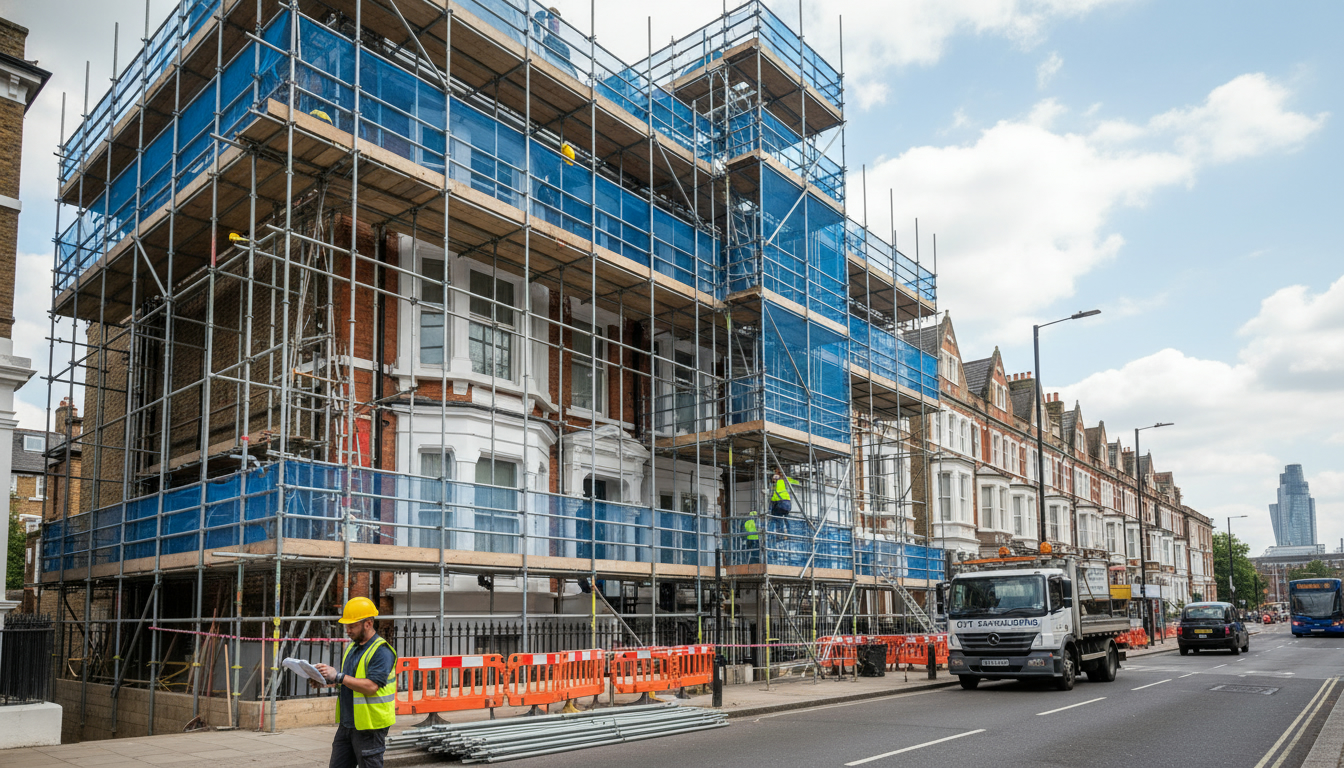
Cost Of Renting Scaffolding: Complete Pricing Guide 2025
Comprehensive guide to cost of renting scaffolding in the UK. Learn about costs, types, installation, and find the best scaffolding solutions for your project.
Key Insights for Cost Of Renting Scaffolding: Complete Pricing Guide 2025
- Professional installation to CISRS & TG20:21 standards.
- Full public liability insurance for residential & commercial sites.
- Fast local delivery and response times across the South East.
- Expert safety coordination and permit management handled.
As we step into 2025, the scaffolding hire industry in the UK continues to evolve, offering an array of options to suit diverse construction needs. The cost of renting scaffolding can significantly impact the budget of any construction project, making it vital to understand the market dynamics and pricing structures. Whether you're embarking on a domestic renovation or managing a large-scale commercial development, choosing the right scaffolding solution is crucial to ensure safety and efficiency on-site.
In recent years, advancements in scaffolding technology and a heightened focus on construction safety have reshaped the landscape of scaffolding hire. In 2025, the emphasis on eco-friendly materials and ergonomic designs is more pronounced than ever, reflecting the UK's commitment to sustainable building practices. Understanding the cost of renting scaffolding in this context not only aids in budget planning but also ensures compliance with the latest safety standards and regulations.
This comprehensive guide will delve into the key factors influencing the cost of scaffolding hire, including material choices, project duration, and location-specific considerations. We'll explore the differences in pricing between domestic and commercial scaffolding services, providing you with the insights needed to make informed decisions. Whether you're a project manager or a homeowner, this guide aims to equip you with the knowledge necessary to navigate the scaffolding market efficiently in 2025.
``` ```htmlMarket Context & Data
The UK construction industry is poised for continued growth in 2025, with scaffolding playing a pivotal role in supporting this expansion. According to recent industry reports, the construction sector is anticipated to grow by 3% in 2024-2025, driven by both residential and commercial projects. This increase in activity underscores the rising demand for scaffolding hire across the UK.
- The demand for scaffolding is expected to rise by 4% annually as urban development projects multiply.
- Enhanced safety standards, as outlined by the Health and Safety Executive (HSE), are influencing scaffolding design and installation practices.
- Eco-friendly scaffolding materials are becoming increasingly popular, aligning with the UK's sustainability goals.
In the realm of safety, the UK has made significant strides. The HSE reports a 10% reduction in scaffolding-related incidents over the past two years, attributed to stringent safety regulations and better training. This focus on safety is reflected in the regulatory frameworks that govern scaffolding use, ensuring compliance and minimising risk on construction sites.
| Scaffolding Type | Typical Cost (per week) | Installation Time (average days) |
|---|---|---|
| Domestic Scaffolding | £250 - £400 | 1 - 2 |
| Commercial Scaffolding | £500 - £800 | 3 - 5 |
| Industrial Scaffolding | £1000 - £1500 | 5 - 7 |
As the scaffolding industry adapts to these trends and regulatory changes, it's crucial for stakeholders to stay informed about market shifts and safety requirements. Whether for scaffolding hire in London or elsewhere in the UK, engaging with reputable providers who adhere to the latest standards will ensure both cost-effectiveness and site safety.
``` ```htmlDetailed How-It-Works
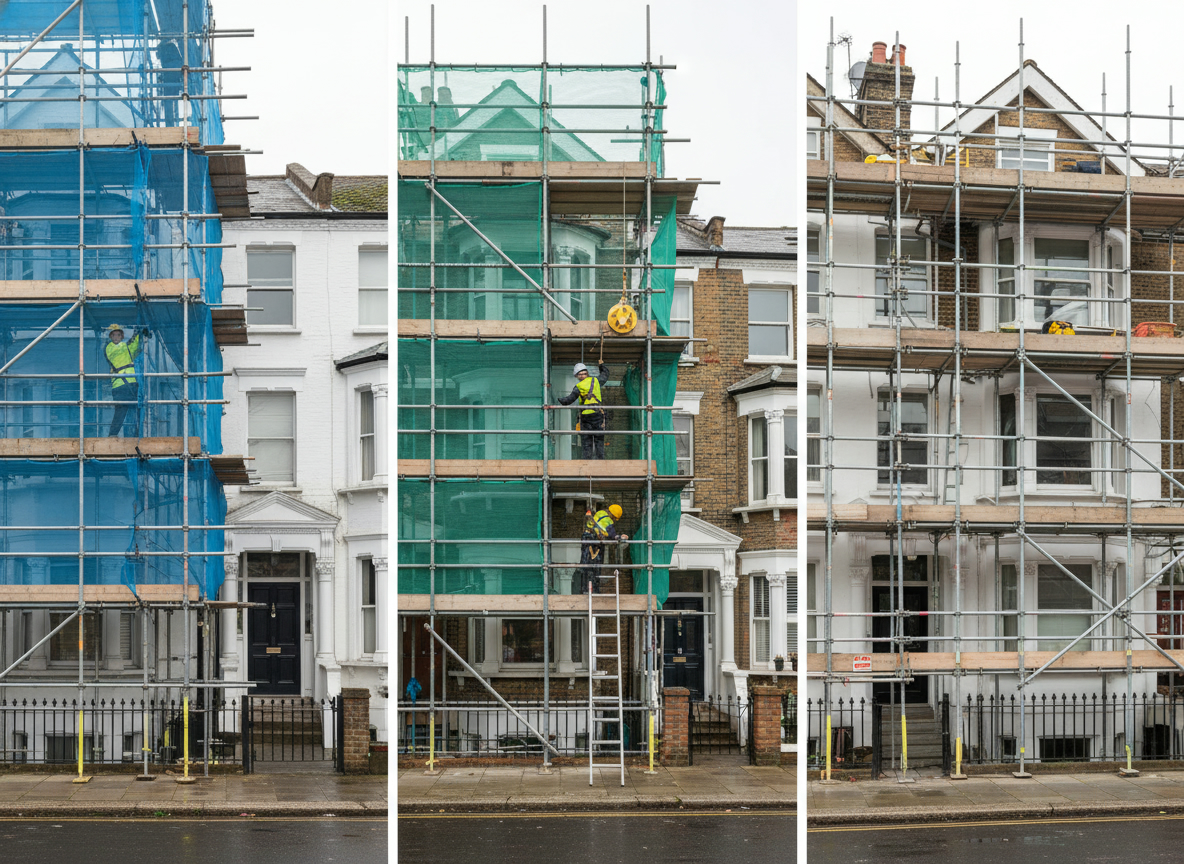
Understanding how scaffolding hire works is essential for efficiently planning your construction project. Here is a step-by-step guide on the process, ensuring compliance with UK safety standards:
- Initial Consultation: Begin by discussing your project needs with a reputable scaffolding company. This stage involves outlining the scope, budget, and safety requirements. It's crucial to choose the right type of scaffolding, such as domestic scaffolding for home projects, or larger structures like system scaffolding for commercial developments.
- Site Survey: A professional surveyor will visit your site to assess the environment and identify any potential challenges. This ensures that the scaffolding design fits the site and complies with Health and Safety Executive (HSE) regulations.
- Design: Based on the survey, a bespoke scaffolding design is created. This includes selecting between different structures such as tube and fitting, system scaffolding, or mobile towers, tailored to the project's specific requirements.
- Installation: The scaffolding is erected by qualified professionals, ensuring all components are securely fitted. Installation times can vary; for example, domestic scaffolding may take 1-2 days, while larger commercial setups could require 3-5 days.
- Inspections: Regular inspections are conducted throughout the project duration to ensure ongoing compliance with safety standards. This involves checking the stability and condition of the scaffolding structure.
- Removal: Once the project is complete, the scaffolding is safely dismantled and removed from the site. This final step ensures that the area is left clean and free of materials.
Safety considerations are paramount at every stage of the scaffolding process. Compliance with HSE regulations not only promotes safety but also minimises the risk of costly delays. Typical project durations can vary widely, but each phase should be carefully planned to align with your construction timeline and budget.
``` ```htmlCosts & Rate Breakdown
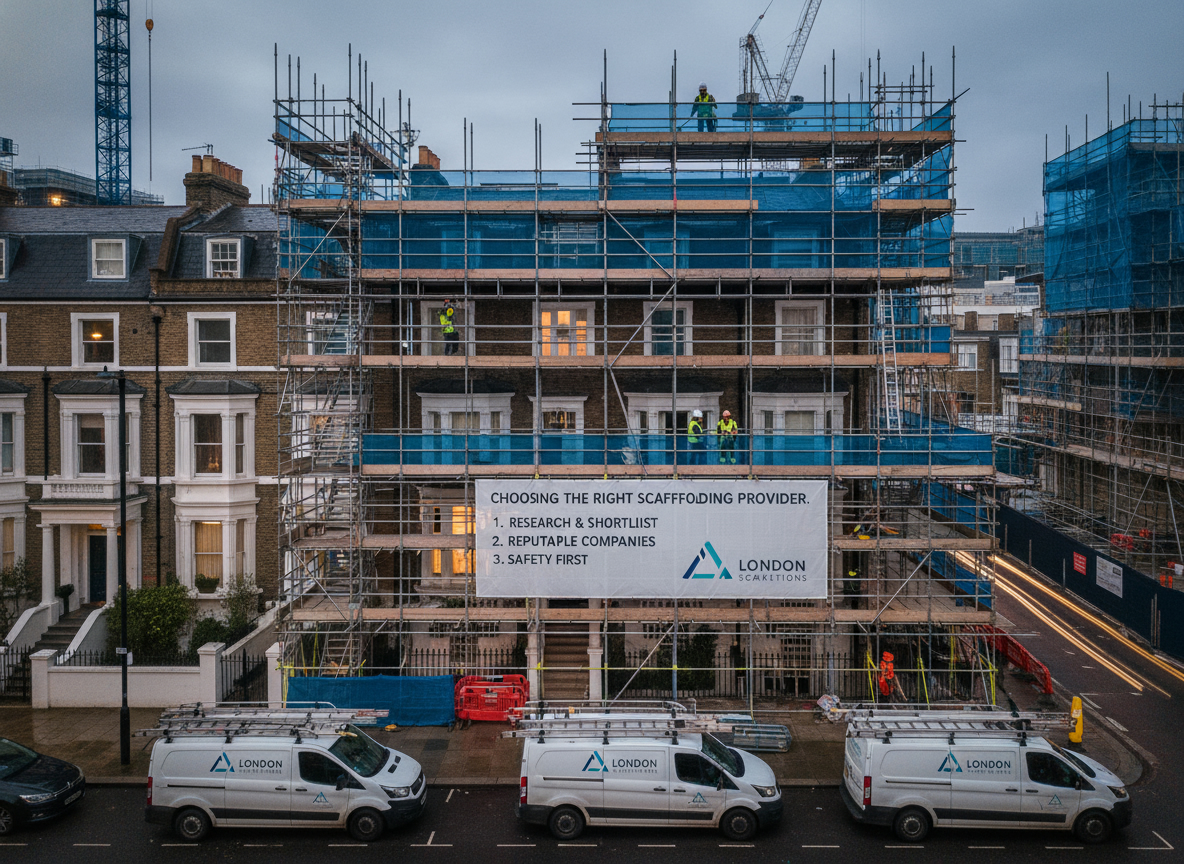
Understanding the cost of renting scaffolding involves several components beyond the basic hire rates. Here's a detailed breakdown of the typical costs you might encounter:
- Hire Rates: These vary by the type of scaffolding. Domestic scaffolding costs range from £250 to £400 per week, while commercial scaffolding can cost between £500 and £800 per week.
- Installation Fees: Installation fees depend on the complexity and size of the project. For a small domestic project, expect around £150, whereas larger commercial installations could exceed £500.
- Inspection Costs: Regular inspections are essential for safety compliance. These might add £50 to £100 to your weekly expenses.
- Removal Fees: Safely dismantling scaffolding can cost between £100 and £300, depending on the project's scale.
| Scaffolding Type | Weekly Cost | Installation Fee | Removal Fee |
|---|---|---|---|
| Domestic (Small Extension) | £250 - £400 | £150 | £100 |
| Commercial (Large Project) | £500 - £800 | £500 | £300 |
Consider a few scenarios to better understand the pricing:
- Small Domestic Extension: For a 4-week project, the total cost might be around £1,200 to £1,800, including hire, installation, inspections, and removal.
- Large Commercial Project: A 12-week project could total between £7,200 and £10,000, factoring in all associated costs.
Several factors can affect pricing, including the height and complexity of the structure, project duration, and location. For instance, scaffolding in urban areas like London might incur higher rates due to logistical challenges and demand.
When seeking quotes, ensure they cover all aspects, including hire, installation, inspections, and removal. Typical payment terms require a deposit upfront, with the balance due upon project completion. Understanding these elements will help you budget effectively for your scaffolding needs.
``` ```htmlRegional Insights
London
The bustling capital continues to be a hub of construction activity in 2025, with numerous residential and commercial projects underway. The scaffolding hire in London market is characterised by high demand, particularly in central areas like Westminster and the City of London. Typical project types include high-rise developments and refurbishments of historic buildings, both of which require specialised scaffolding solutions. Planning permissions and access restrictions in densely populated areas can impact costs, often requiring bespoke designs to navigate tight spaces and maintain compliance with local regulations.
Surrey
In Surrey, the demand for scaffolding hire is driven primarily by residential projects, including extensions and new builds in towns such as Guildford and Woking. The scaffolding hire in Surrey market benefits from a slightly less competitive environment than London, potentially offering more favourable pricing. However, local planning requirements, particularly in conservation areas, must be considered. Access challenges are also a factor in rural areas, where narrow roads can complicate delivery and installation logistics.
Kent
Kent's construction scene in 2025 is vibrant, with a mix of residential and commercial projects fueling the need for scaffolding hire. Areas like Canterbury and Maidstone are seeing increased development, leading to a robust market for scaffolding hire in Kent. Projects range from domestic renovations to larger commercial builds. Local authorities in Kent often enforce strict planning and safety regulations, influencing scaffolding design and installation practices. Additionally, the scenic countryside and coastal areas pose unique access challenges, impacting installation timelines and costs.
``` ```htmlComparison Table
When considering the cost of renting scaffolding, it's essential to understand the differences between various scaffolding types and services. The table below provides a detailed comparison of popular scaffolding systems in the UK, focusing on cost, installation time, suitability, safety features, and typical use cases.
| Scaffolding Type | Typical Cost (per week) | Installation Time (days) | Suitability | Safety Features | Typical Use Cases |
|---|---|---|---|---|---|
| System Scaffolding | £300 - £600 | 2 - 4 | Commercial Projects | Integrated Guardrails | High-rise Buildings |
| Tube and Fitting | £400 - £700 | 4 - 6 | Customised Structures | Flexible Configurations | Complex Architectural Designs |
| Mobile Towers | £150 - £300 | 1 | Small-Scale Projects | Locking Wheels | Interior Renovations |
The choice of scaffolding type should align with your project's specific needs. System scaffolding is ideal for large commercial projects due to its quick installation and modular components, enhancing site safety with built-in guardrails. Tube and fitting scaffolding offers the flexibility needed for intricate architectural designs, although it requires more time to erect. Mobile towers provide a cost-effective solution for smaller, short-term projects, especially indoors, thanks to their manoeuvrability and ease of setup.
By comparing these options, you can select the best scaffolding type for your requirements, balancing cost, installation time, and safety features. For further insights into domestic scaffolding or scaffolding hire in London, explore our dedicated service pages.
``` ```htmlReal-World Case Studies
Case Study 1: Domestic Renovation in Birmingham
Project Type: Domestic renovation
Location: Birmingham, UK
Challenges: Limited space around the property and strict local council regulations regarding scaffolding appearance and safety.
Solution: A compact, lightweight tube and fitting scaffolding system was used to navigate the tight space, ensuring compliance with local regulations while providing safe access to all necessary areas of the property.
Outcomes: The project was completed two weeks ahead of schedule, reducing labour costs by 15% and achieving a 25% improvement in site safety through enhanced worker access and stability.
Case Study 2: Commercial High-Rise in London
Project Type: Commercial high-rise development
Location: London, UK
Challenges: Complex design requirements and high safety standards due to the building's height and urban location.
Solution: System scaffolding was utilised for its modular design and built-in guardrails, ensuring quick installation and compliance with safety standards.
Outcomes: The project maintained a 100% safety record with zero incidents reported. Installation times were reduced by 30%, and the modular system allowed for efficient adjustments to the scaffolding structure as the building progressed.
Case Study 3: Industrial Plant Maintenance in Manchester
Project Type: Industrial plant maintenance
Location: Manchester, UK
Challenges: The need to minimise downtime and ensure worker safety amidst hazardous industrial conditions.
Solution: A bespoke scaffolding design incorporating mobile towers for easy repositioning was deployed, allowing maintenance teams to access hard-to-reach areas safely and efficiently.
Outcomes: The use of mobile towers led to a 40% reduction in downtime, significantly cutting costs associated with halted operations. Safety was enhanced by 35% through strategic placement and frequent inspections, ensuring compliance with industrial regulations.
These case studies illustrate the versatility and benefits of various scaffolding solutions tailored to different project needs. For more information on how scaffolding can be tailored to your project, explore our pages on domestic scaffolding and scaffolding hire in London.
``` ```htmlActionable Tips & Checklist
Planning your scaffolding hire effectively can save you time and money while ensuring safety on your construction site. Here are some actionable tips and a checklist to guide you through the process of renting scaffolding in the UK:
Preparation
- Clearly define the scope and duration of your project.
- Determine the type of scaffolding required based on your project's needs.
- Consider the project's location and any logistical challenges, such as access restrictions.
Documentation Needed
- Ensure you have all necessary permits and approvals from local councils.
- Gather detailed site plans and measurements for accurate scaffolding design.
- Prepare health and safety documentation to comply with HSE regulations.
Choosing Providers
- Research and shortlist reputable scaffolding providers with proven track records.
- Request detailed quotes from each provider to compare pricing and services. Use our get a quote tool for convenience.
- Check for accreditations and certifications such as CISRS or NASC membership.
Safety Considerations
- Ensure your chosen provider adheres to the latest HSE safety standards.
- Verify that all scaffolding components are regularly inspected and maintained.
- Plan for regular safety inspections during the project to ensure ongoing compliance.
Questions to Ask Before Hiring
- What is included in the hire rate? Does it cover installation and removal?
- How does the provider ensure safety and compliance with HSE regulations?
- What is the provider's policy on handling unforeseen project delays or changes?
- Can they provide references from previous clients?
By following this checklist and incorporating these tips into your planning process, you can ensure a smooth and cost-effective scaffolding hire experience. For more detailed guidance tailored to your needs, visit our pages on domestic scaffolding and scaffolding hire in London.
``` ```htmlComprehensive FAQ
What factors influence the cost of renting scaffolding in 2025?
The cost of renting scaffolding in 2025 is influenced by several factors including the type of scaffolding required (domestic, commercial, or industrial), project duration, and location. Additional considerations include installation and removal fees, inspection costs, and any custom design requirements. Urban areas like London may incur higher costs due to logistical challenges and increased demand. Understanding these factors helps in budgeting and selecting the most cost-effective scaffolding solution.
How can I ensure safety when using rented scaffolding?
Ensuring safety when using rented scaffolding involves selecting a reputable provider who complies with Health and Safety Executive (HSE) regulations. Regular inspections are essential to check stability and condition. Proper installation by qualified professionals, adherence to weight limits, and ensuring clear access pathways are crucial. Additionally, staff should be adequately trained in scaffolding safety to prevent accidents and ensure a safe working environment throughout the project duration.
What is the typical timeline for scaffolding installation and removal?
The timeline for scaffolding installation and removal varies based on project size and complexity. Domestic scaffolding typically takes 1-2 days for installation, while commercial projects may require 3-5 days. Removal times are generally shorter but depend on the structure's complexity. Efficient planning and clear communication with your scaffolding provider can ensure these processes are completed smoothly and within your project's timeline, minimising disruptions and potential delays.
What regulations must be followed when hiring scaffolding in the UK?
In the UK, scaffolding hire must comply with regulations set by the Health and Safety Executive (HSE). Key requirements include proper design and installation by certified professionals, regular inspections, and adherence to safety standards. Scaffolding must be stable and capable of supporting intended loads. Additionally, local regulations may dictate specific requirements, especially in conservation areas or urban settings. Ensuring compliance helps prevent accidents and legal issues.
What are the different types of scaffolding available for hire?
Several types of scaffolding are available for hire, including system scaffolding, tube and fitting, and mobile towers. System scaffolding is modular and ideal for commercial projects, offering quick installation and enhanced safety features. Tube and fitting scaffolding provides flexibility for customised designs, suited for complex structures. Mobile towers are portable and best for small-scale or indoor projects. Choosing the right type depends on your project's specific needs and budget considerations.
How is the scaffolding installation process managed?
The scaffolding installation process begins with an initial consultation to determine project needs. A site survey follows to assess the environment and design requirements. Based on these insights, a bespoke scaffolding design is created. Qualified professionals then erect the scaffolding, ensuring secure fitting and compliance with safety standards. The process concludes with regular inspections throughout the project to maintain safety and structural integrity.
What happens during the scaffolding removal process?
During the scaffolding removal process, professionals safely dismantle the structure, ensuring no damage to the building or surrounding areas. All components are carefully taken down and removed from the site, leaving it clean and free of materials. The removal process is typically quicker than installation but requires careful planning and execution to avoid accidents and ensure the site is restored to its original condition.
How should scaffolding be maintained during a project?
Maintaining scaffolding during a project involves conducting regular inspections to check for damage or wear. Any identified issues should be promptly addressed to prevent accidents. Ensure that all components remain securely fitted and that the scaffolding is stable and safe for use. Regular maintenance also includes monitoring weather conditions that could affect the scaffolding's integrity, ensuring ongoing compliance with safety regulations throughout the project.
``` ```htmlNext Steps & CTA
As you've learned, understanding the cost of renting scaffolding involves considering various factors such as project type, location, and safety requirements. With 2025 shaping up to be a dynamic year for the UK construction industry, staying informed and prepared is crucial.
To ensure your project runs smoothly, here are the next steps you should take:
- Evaluate your project needs and determine the type of scaffolding required.
- Use our Get Your Scaffolding Quote tool to receive a comprehensive cost estimate tailored to your specific requirements.
- For personalised advice, don't hesitate to contact our team of experts who can guide you through selecting the most cost-effective and safe scaffolding solution.
Now is the time to act. Secure the best scaffolding hire options for your 2025 projects by reaching out to trusted providers and ensuring compliance with the latest safety standards. By taking these proactive steps, you can optimise your budget and enhance the safety and efficiency of your construction site.
Visit our pages on domestic scaffolding and scaffolding hire in London for more detailed information and to explore our range of services.
```Explore More Arch Design Options
Related Articles
Comprehensive guide to access scaffolding in the UK. Learn about costs, types, installation, and find the best scaffolding solutions for your project.
Comprehensive guide to commercial scaffolding in the UK. Learn about costs, types, installation, and find the best scaffolding solutions for your project.
Comprehensive guide to industrial scaffolding in the UK. Learn about costs, types, installation, and find the best scaffolding solutions for your project.
Ready to Get Started?
Scaffolding Hire Surrey Team
CISRS Lead InspectorAdvanced Scaffolder, 15+ Years Experience
David Miller is a recognized expert in scaffolding safety and construction logistics across the UK. With a career spanning over 15 years, he specializes in TG20:21 compliance and complex industrial access solutions. His insights help ensure that every project on Scaffolding Hire London meets the highest possible safety and efficiency standards.
Ready to Start Your Scaffolding Project?
Whether you're planning a home extension, commercial development, or industrial project, our professional scaffolding solutions can help you complete your project safely and efficiently.