
Construction Scaffolding: What You Need to Know
Comprehensive guide to construction scaffolding in the UK. Learn about costs, types, installation, and find the best scaffolding solutions for your project.
Key Insights for Construction Scaffolding: What You Need to Know
- Professional installation to CISRS & TG20:21 standards.
- Full public liability insurance for residential & commercial sites.
- Fast local delivery and response times across the South East.
- Expert safety coordination and permit management handled.
Did you know that improper scaffolding remains a leading cause of construction site injuries in the UK? As we move into 2025, ensuring robust scaffolding practices is more crucial than ever. With an estimated 65% of the UK construction workforce regularly working on scaffolds, understanding the intricacies of construction scaffolding can mean the difference between a secure worksite and a hazardous environment.
In today's fast-paced construction industry, where projects are becoming increasingly complex and timelines tighter, the role of scaffolding has never been more pivotal. Whether you're a project manager overseeing a multi-storey building in London or a contractor setting up a small renovation project, the significance of safe and reliable scaffolding cannot be overstated. It's not just about compliance with safety regulations—it's about safeguarding lives and ensuring the seamless progress of your construction projects.
With advancements in scaffolding technology and evolving safety standards, staying informed about the latest in construction scaffolding is imperative. As you navigate this comprehensive guide, you'll discover everything you need to make informed decisions about scaffolding hire and implementation. From understanding the types of scaffolding available to insights into the latest safety protocols, this article will equip you with the knowledge to maintain a safe and efficient worksite.
In the sections ahead, we'll delve into the essential aspects of scaffolding hire, explore the latest safety measures in the UK construction sector, and provide expert tips on choosing the right scaffolding for your needs. Stay tuned as we unravel the world of construction scaffolding, ensuring you are well-prepared to tackle any project with confidence.
Market Context & Data
According to recent industry reports, the UK scaffolding market is projected to grow by approximately 4.2% annually from 2024 to 2025, reflecting the booming construction sector's reliance on effective scaffolding solutions. This growth is driven by increasing urbanisation and a surge in infrastructure projects. Understanding these trends is crucial for anyone involved in construction scaffolding.
Industry data shows that the demand for scaffolding is influenced by several key factors:
- Regulatory Compliance: The UK's stringent Health and Safety Executive (HSE) requirements mandate rigorous scaffolding standards, making compliance a top priority.
- Technological Advancements: Innovations like modular scaffolding systems are streamlining installation processes, reducing labour costs, and enhancing safety.
- Sustainability: The construction industry's shift towards eco-friendly practices is increasing demand for sustainable scaffolding materials.
Recent analysis indicates that safety standards are not just regulatory necessities but essential components of project planning. HSE statistics reveal that falls from height remain a significant hazard, accounting for 47% of construction fatalities in 2023. This underscores the critical role of properly installed scaffolding.
| Scaffolding Type | Typical Cost (per m²) | Average Installation Time |
|---|---|---|
| Tower Scaffolding | £15-£20 | 1-2 days |
| Suspended Scaffolding | £25-£35 | 2-3 days |
| Single Scaffolding | £10-£15 | 1 day |
In terms of regulatory environment, the UK scaffolding industry operates under strict guidelines set by the HSE. The Work at Height Regulations 2005, for instance, requires all scaffolding to be inspected before use and periodically thereafter. Such regulations not only aim to prevent worksite accidents but also drive the demand for professional scaffolding hire services.
As you consider your next project, ensuring compliance with these standards is not merely a legal obligation—it's a commitment to safety and quality. For more detailed information on scaffolding hire options, consider visiting our Scaffolding Hire in London page or explore our Domestic Scaffolding Services.
Step-by-Step Guide
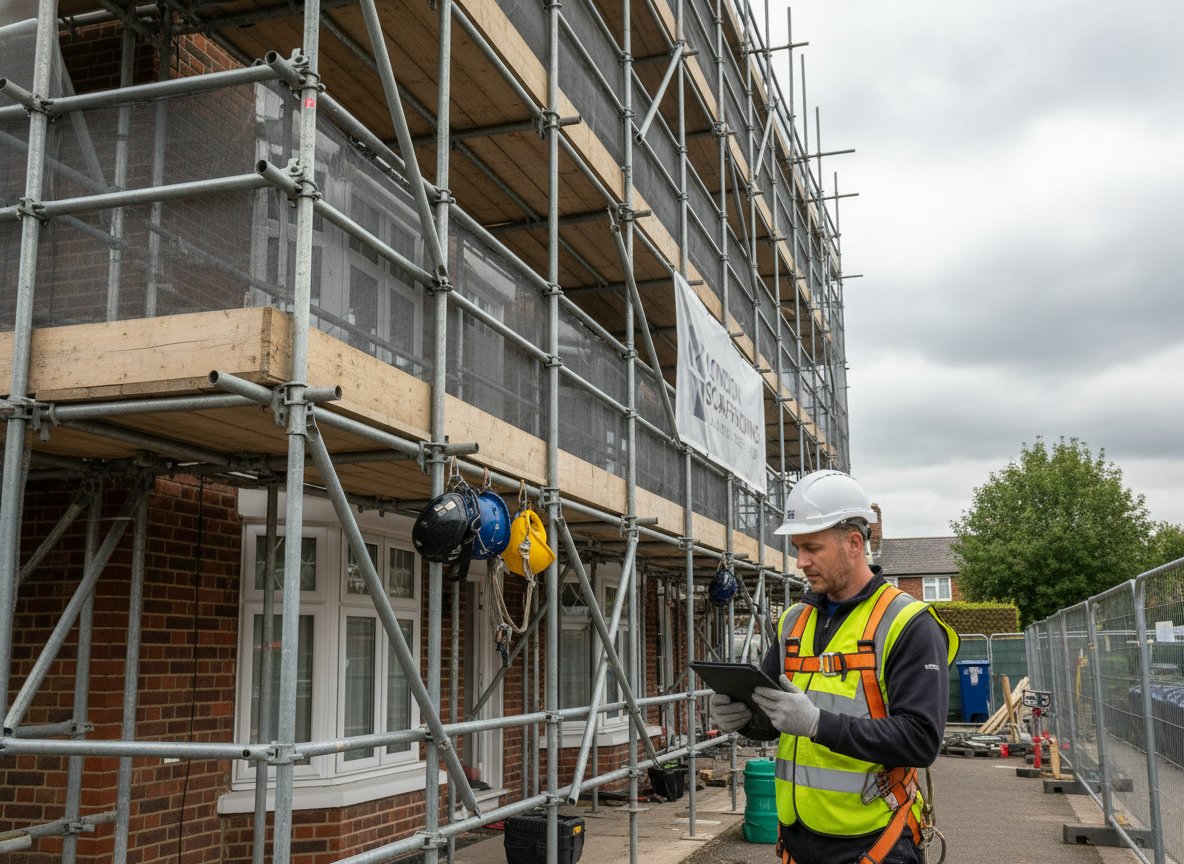
Understanding the process of setting up and managing construction scaffolding is essential for ensuring safety and efficiency on your site. Whether you're a seasoned professional or new to the construction scene, this step-by-step guide will walk you through the critical stages of scaffolding, helping you make informed decisions that prioritise safety and project success.
Step 1: Assess Project Requirements
Before you can start erecting scaffolding, it's crucial to assess the specific needs of your project. Consider factors such as the type of construction work, the height and size of the structure, and the site's location. This assessment will guide your choice between different scaffolding types, such as system scaffolding for complex geometries or mobile towers for smaller, more flexible projects.
Engage with a professional scaffolding contractor who can conduct a site survey. This will help you identify potential challenges, such as uneven ground or restricted access points. By understanding these variables early on, you can ensure that your scaffolding setup is both efficient and compliant with the UK's Health and Safety Executive (HSE) regulations.
Step 2: Choose the Right Scaffolding Type
With your project requirements in hand, it's time to select the appropriate scaffolding type. For large-scale projects, tube and fitting scaffolding offers versatility and strength, while modular systems can reduce labour time and increase safety. For smaller sites, mobile scaffolding towers provide ease of movement and quick assembly.
Consider the specific advantages of each system. For instance, system scaffolding's precision and adaptability make it ideal for complex structures, whereas tube and fitting scaffolding is preferred for its robustness in heavy-duty applications. The right choice will ensure your project runs smoothly and safely.
Step 3: Plan for Safety and Compliance
Safety should be at the forefront of your scaffolding plan. Ensure that all scaffolding is erected by qualified professionals and inspected regularly. HSE guidelines mandate inspections before use, after any alterations, and at regular intervals throughout the project. This step is crucial in preventing accidents and ensuring compliance with legal standards.
Incorporate fall protection systems and ensure all workers are trained in scaffold safety. Consider scheduling regular safety briefings to keep safety protocols fresh in everyone's minds. These precautions are not only regulatory requirements but also best practices that can save lives.
Step 4: Monitor and Maintain Scaffolding
Once your scaffolding is in place, ongoing monitoring and maintenance are essential. Regular inspections should be conducted to detect any signs of wear or damage, such as rust or loose fittings. Addressing these issues promptly can prevent minor problems from escalating into major hazards.
Implement a maintenance schedule that includes cleaning and securing scaffolding components. For example, during the winter months, ice and snow can accumulate on scaffolds, increasing the risk of slips and falls. Regular maintenance ensures your scaffolding remains safe and operational throughout the project lifecycle.
Step 5: Dismantle Safely
As your project nears completion, it's time to safely dismantle the scaffolding. This step should be carried out with the same level of care and attention as the initial setup. Ensure that dismantling is performed by trained professionals who understand the correct sequence and techniques to prevent accidents.
Plan the dismantling process to avoid disrupting other site activities. Consider the timeline of your project and coordinate with other teams to ensure a seamless transition. A well-organised dismantling process not only enhances safety but also contributes to the overall efficiency of your project.
By following these steps, you'll not only ensure compliance with UK safety standards but also protect your workforce and investment. For further assistance with scaffolding hire, visit our Scaffolding Hire in London page or explore our tailored Domestic Scaffolding Services.
Types & Options Overview
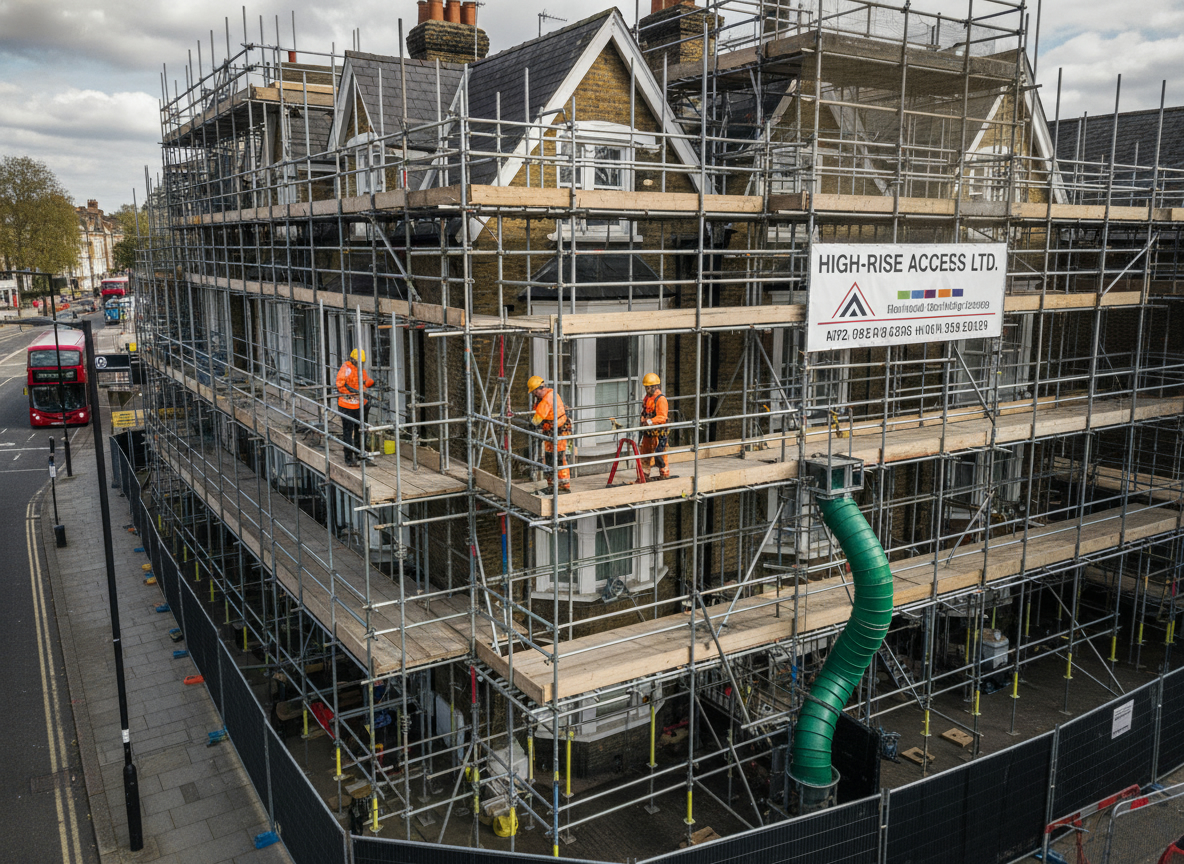
Understanding the different types of construction scaffolding is essential for selecting the right option for your project. Each type has specific applications, features, and benefits that can influence the safety, efficiency, and cost-effectiveness of your construction work. Let's explore the primary scaffolding types and their unique characteristics.
System Scaffolding: Precision and Efficiency
System scaffolding, also known as modular scaffolding, is renowned for its precision and adaptability. This type of scaffolding uses pre-engineered components, which are assembled in a systematic manner to create structures suitable for a wide range of applications.
- Key Features: Quick assembly, adaptable configurations, high stability.
- Use Cases: Ideal for complex geometries and large-scale projects.
- Considerations: Higher initial cost but reduced labour time.
System scaffolding is particularly popular on major building sites where speed and repeatability are crucial. Its modular nature allows for rapid assembly and disassembly, making it a favourite for projects with tight timelines.
Tube and Fitting Scaffolding: Versatility and Strength
Tube and fitting scaffolding is one of the most traditional forms of scaffolding, characterised by its use of individual tubes and fittings to create a bespoke scaffolding structure. This type offers superior versatility and can be tailored to fit any shape or size of building.
- Key Features: Customisable, robust, suitable for heavy loads.
- Use Cases: Preferred for irregular structures and heavy-duty applications.
- Considerations: Labour-intensive assembly but offers unmatched flexibility.
This scaffolding is the go-to choice for many historical building renovations where unique architectural features require customised solutions. Although it requires more time to erect compared to system scaffolding, its adaptability is unmatched.
Mobile Scaffolding Towers: Flexibility and Mobility
Mobile scaffolding towers are freestanding structures equipped with wheels, allowing them to be easily moved around the construction site. This type of scaffolding is perfect for projects that require frequent location changes and quick assembly.
- Key Features: Portable, easy to assemble, suitable for indoor use.
- Use Cases: Ideal for painting, electrical work, and maintenance tasks.
- Considerations: Limited height, best for lighter tasks.
These towers are a popular choice in both domestic and commercial settings, especially for tasks like painting or electrical installations where mobility is key. Their portability makes them a practical option for smaller-scale projects.
Suspended Scaffolding: Access and Safety
Suspended scaffolding is used when access from above is required, as it hangs from the roof or a higher building level. This type is commonly used for exterior work on high-rise buildings, such as window cleaning or façade repairs.
- Key Features: Adjustable height, space-efficient, suitable for tall structures.
- Use Cases: High-rise building maintenance and cleaning.
- Considerations: Requires skilled operation, higher safety measures.
Suspended scaffolding systems offer excellent access to vertical surfaces and are designed to enhance safety and efficiency in high-altitude work. However, they necessitate strict adherence to safety protocols to prevent accidents.
Choosing the right scaffolding type can dramatically influence your project's success. For a deeper dive into these options and professional guidance, consider exploring our Scaffolding Hire in London services or check out our Domestic Scaffolding Services for tailored solutions.
Comparison Table
Choosing the right scaffolding for your construction project can significantly affect safety, cost, and time efficiency. In this section, we provide a detailed comparison of various scaffolding types to help you make an informed decision.
| Scaffolding Type | Cost (per m²) | Installation Time | Suitability | Safety Features | Typical Use Cases |
|---|---|---|---|---|---|
| System Scaffolding | £20-£30 | 1-2 days | Complex projects, high precision | High stability, modular design | Large-scale construction, complex geometries |
| Tube and Fitting Scaffolding | £15-£25 | 2-4 days | Irregular structures, heavy-duty tasks | Customisable strength, robust | Historical renovations, bespoke projects |
| Mobile Scaffolding Towers | £10-£15 | 1 day | Frequent relocation, indoor tasks | Portability, ease of assembly | Maintenance, painting, electrical work |
| Suspended Scaffolding | £25-£40 | 2-3 days | Tall structures, vertical access | Adjustable height, secure suspension | High-rise maintenance, window cleaning |
As illustrated in the table, each scaffolding type offers distinct advantages that cater to specific project requirements. System scaffolding, known for its precision and modular design, is ideal for large-scale projects with stringent timelines. In contrast, tube and fitting scaffolding provides unmatched versatility, perfect for projects requiring bespoke solutions or dealing with irregular structures.
For projects that demand frequent movement and quick setup, mobile scaffolding towers deliver exceptional portability and ease of use, making them a favourite for indoor tasks. Lastly, suspended scaffolding is the go-to choice for high-rise buildings, offering excellent access and safety for work at greater heights.
Understanding these differences is crucial for selecting scaffolding that aligns with your project's scope and safety requirements. For more insights into scaffolding hire, explore our comprehensive Scaffolding Hire in London services or check out our Domestic Scaffolding Services for bespoke solutions tailored to your needs.
Expert Tips for Choosing and Hiring
Choosing the right scaffolding provider isn't just a matter of convenience—it's a critical decision that can affect the safety, efficiency, and cost-effectiveness of your construction project. With the right partner, you can ensure compliance with UK safety standards, avoid costly delays, and enhance overall project success. Here's how to make an informed choice:
Assessing Your Project's Needs
Before diving into the hiring process, it's essential to have a clear understanding of your project's specific scaffolding requirements. This involves a thorough assessment of multiple factors that will guide your decision-making.
- Project Scope: Determine the scale and complexity of your project to identify the type of scaffolding needed.
- Site Conditions: Evaluate the site's terrain, access points, and any potential obstacles.
- Duration: Estimate how long the scaffolding will be in place to plan for rental costs and maintenance schedules.
By clearly defining these parameters, you're better equipped to communicate your needs to potential providers, ensuring they can offer the right solutions.
Evaluating Providers
Once you've assessed your needs, it's time to evaluate potential scaffolding providers. Selecting a reliable and experienced contractor is crucial for the success of your project. Here's how to do it:
- Research Experience: Look for providers with a proven track record in projects similar to yours.
- Check Accreditations: Ensure the company complies with HSE regulations and holds relevant certifications.
- Review References: Ask for client testimonials or case studies to gauge their reliability and quality of service.
These steps will help you shortlist providers who are not only capable but also trustworthy and committed to safety.
Questions to Ask
Before making a final decision, engage potential contractors with critical questions to ensure they meet your expectations:
- What safety measures do you implement? Understanding their safety protocols is essential for compliance and risk management.
- Can you provide a detailed quote? Request a comprehensive breakdown of costs to avoid hidden fees.
- How do you handle maintenance and inspections? Regular checks are vital for ongoing safety and efficiency.
- What is your response time for issues? A quick resolution process is crucial for minimising downtime.
These questions help clarify expectations and highlight any potential red flags, such as vague answers or reluctance to provide documentation.
For those new to the process, consider using a quote calculator to compare costs and services easily. Remember, the cheapest option isn't always the best—prioritise safety and quality over price.
Red flags to watch out for include poor communication, lack of references, and non-compliance with UK regulations. These can indicate potential issues that might compromise the safety and success of your project.
By following these expert tips, you'll be well-positioned to choose a scaffolding provider that aligns with your needs, ensuring a safe and successful construction project. For further guidance, explore our comprehensive Scaffolding Hire in London services or check out our Domestic Scaffolding Services for tailored solutions.
Comprehensive FAQ
What are the typical costs associated with construction scaffolding?
The cost of construction scaffolding varies depending on the type and scale of your project. For instance, tower scaffolding typically ranges from £15 to £20 per square metre, while suspended scaffolding may cost between £25 and £35 per square metre. Additionally, labour costs for installation and dismantling, as well as rental duration, can influence the final price. It's crucial to obtain detailed quotes from multiple providers to ensure competitive pricing and transparency. Explore our Scaffolding Hire in London page for more tailored pricing information.
How do I ensure scaffolding safety on my construction site?
Ensuring scaffolding safety involves several key practices: hiring qualified professionals for installation, conducting regular inspections as mandated by the Health and Safety Executive (HSE), and implementing fall protection systems. Training workers to recognise hazards and adhere to safety protocols is equally important. Regular safety briefings can reinforce these practices. For a more detailed overview of safety measures, consider our Domestic Scaffolding Services page.
How long does scaffolding installation typically take?
Scaffolding installation time depends on the project complexity and scaffolding type. Simple scaffolding setups, like single scaffolding, might take a day, while more complex structures, such as suspended scaffolding, could require 2-3 days. Factors such as site access and weather conditions can also affect timelines. It's advisable to coordinate with scaffolding providers to develop a realistic schedule that aligns with your construction milestones.
What regulations govern scaffolding in the UK?
In the UK, scaffolding is primarily regulated by the Work at Height Regulations 2005 and overseen by the Health and Safety Executive (HSE). These regulations require scaffolding to be inspected before use and at regular intervals thereafter. Compliance with these standards is vital to prevent workplace accidents and ensure legal adherence. Non-compliance can lead to hefty fines and project delays. For comprehensive guidance, visit our Scaffolding Hire in London page.
What types of scaffolding are available for construction projects?
There are several types of scaffolding available, each suited to different project needs. Common types include system scaffolding, known for its modularity and efficiency; tube and fitting scaffolding, valued for its versatility and strength; mobile scaffolding towers, perfect for projects requiring frequent relocation; and suspended scaffolding, ideal for high-rise buildings. Each type has its unique benefits and is chosen based on project-specific requirements. Explore more about these options on our Domestic Scaffolding Services page.
What is the process for scaffolding installation and removal?
Scaffolding installation starts with a site assessment to determine the project's specific needs, followed by selecting the appropriate scaffolding type. Qualified professionals then erect the scaffolding, ensuring compliance with safety regulations. Regular inspections are conducted throughout the project. Once the construction is complete, the scaffolding is dismantled methodically by trained personnel to prevent accidents. Coordinating with other site activities is essential to ensure a seamless process.
How is scaffolding maintained during a project?
Scaffolding maintenance is crucial for safety and involves regular inspections to identify and address wear or damage, such as rust or loose fittings. Maintenance schedules should include cleaning and securing components, especially in adverse weather conditions. Any issues found during inspections should be promptly rectified to prevent safety hazards. For more insights on maintenance practices, explore our Scaffolding Hire in London services.
What tips can you offer for hiring scaffolding services?
When hiring scaffolding services, assess your project's needs carefully, evaluate providers based on experience and compliance with HSE regulations, and ask pertinent questions regarding safety measures, cost transparency, and maintenance procedures. Check references and past project examples to ensure reliability. Be wary of providers who lack accreditation or provide vague responses. For expert guidance, visit our Domestic Scaffolding Services page for more resources.
Next Steps & CTA
In navigating the intricate landscape of construction scaffolding, you’ve uncovered the vital elements necessary for a safe and efficient project. From understanding the various scaffolding types to adhering to UK safety standards, you are now equipped with the knowledge to make informed and strategic decisions. This comprehensive guide not only highlighted the importance of scaffolding in ensuring worksite safety but also detailed the specific types and best practices essential for project success.
Now that you have a clear understanding of the scaffolding essentials, it's time to take the next step. Whether you're gearing up for a new project or looking to enhance current operations, securing the right scaffolding is pivotal. Get Your Scaffolding Quote today to explore tailored solutions that meet your unique project requirements. Our experienced team is ready to assist you in selecting the ideal scaffolding options, ensuring both compliance and efficiency.
Still have questions or need further guidance on your scaffolding needs? Don’t hesitate to contact our team of experts. We're here to provide personalised advice and support, helping you navigate any challenges with confidence.
Empower your construction project by making informed choices that prioritise safety and innovation. Explore our Scaffolding Hire in London services or delve into our Domestic Scaffolding Services for comprehensive insights tailored to your specific needs. Your journey to a safe and successful project starts here—take action today!
Explore More Arch Design Options
Related Articles
Comprehensive guide to access scaffolding in the UK. Learn about costs, types, installation, and find the best scaffolding solutions for your project.
Comprehensive guide to commercial scaffolding in the UK. Learn about costs, types, installation, and find the best scaffolding solutions for your project.
Comprehensive guide to industrial scaffolding in the UK. Learn about costs, types, installation, and find the best scaffolding solutions for your project.
Ready to Get Started?
Scaffolding Hire Surrey Team
CISRS Lead InspectorAdvanced Scaffolder, 15+ Years Experience
David Miller is a recognized expert in scaffolding safety and construction logistics across the UK. With a career spanning over 15 years, he specializes in TG20:21 compliance and complex industrial access solutions. His insights help ensure that every project on Scaffolding Hire London meets the highest possible safety and efficiency standards.
Ready to Start Your Scaffolding Project?
Whether you're planning a home extension, commercial development, or industrial project, our professional scaffolding solutions can help you complete your project safely and efficiently.