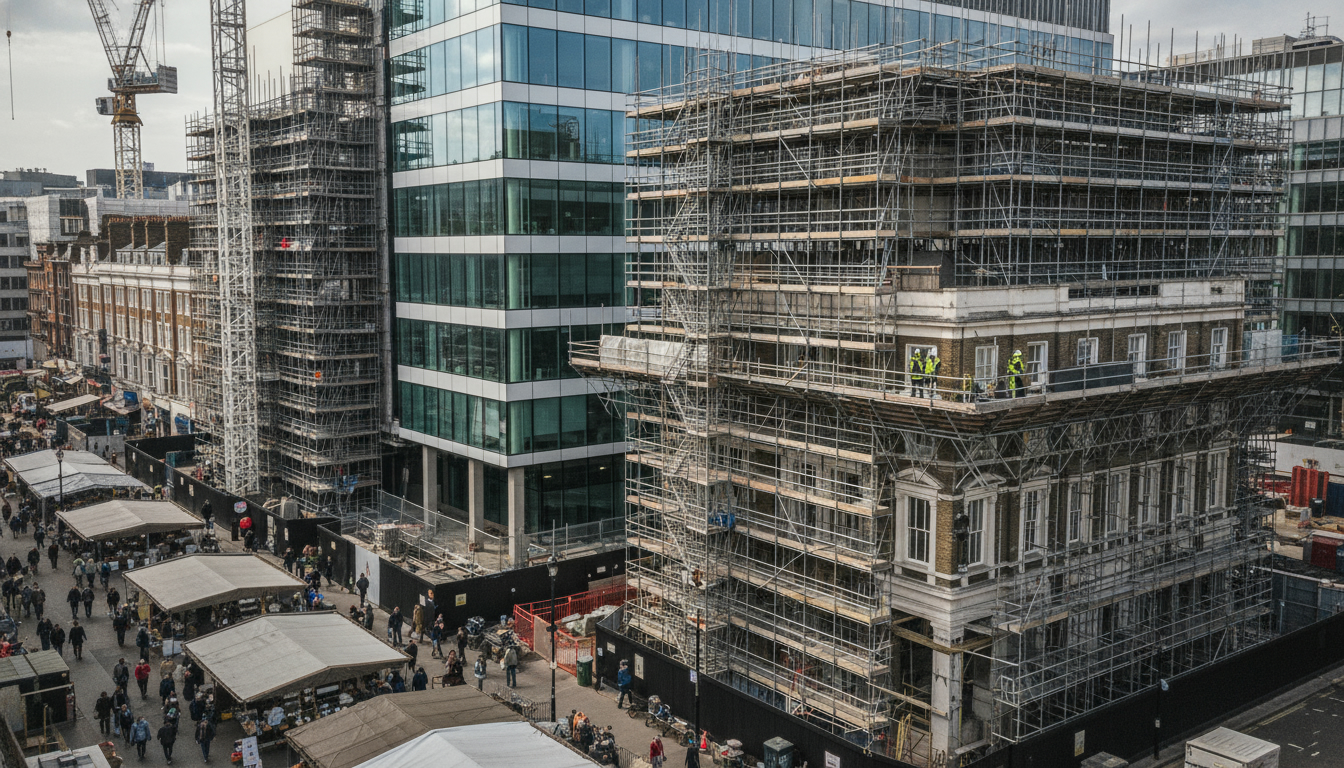
Commercial Scaffolding Hire: Complete Guide to Professional Services
Comprehensive guide to commercial scaffolding hire in the UK. Learn about costs, types, installation, and find the best scaffolding solutions for your project.
Key Insights for Commercial Scaffolding Hire: Complete Guide to Professional Services
- Professional installation to CISRS & TG20:21 standards.
- Full public liability insurance for residential & commercial sites.
- Fast local delivery and response times across the South East.
- Expert safety coordination and permit management handled.
In 2025, the landscape of construction in the UK has evolved significantly, and commercial scaffolding hire has become an indispensable aspect of this transformation. The demand for efficient and reliable scaffolding solutions has surged as businesses strive for cost-effective and safe construction practices. With the ongoing development of smart cities and sustainable infrastructure, selecting the right scaffolding partner can make a substantial difference in project timelines and safety standards.
Choosing the appropriate commercial scaffolding hire not only ensures compliance with stringent UK safety regulations but also optimises workflow efficiency. A well-planned scaffolding system supports various construction activities, from maintenance and repair to large-scale building projects. It is crucial for construction managers to invest in professional scaffolding services to mitigate risks and ensure seamless project execution.
This comprehensive guide will delve into the essentials of commercial scaffolding hire, highlighting the types of scaffolding available, key factors to consider, and the benefits of engaging with experienced providers. We will also explore the latest innovations in scaffolding technology and provide insights into selecting a service that aligns with your project's unique requirements. Stay tuned to discover how making informed decisions in scaffolding hire can significantly impact your construction success.
Market Context & Data
The UK construction industry is poised for growth in 2024-2025, with infrastructure spending projected to rise by 5% annually. This growth is mirrored in the scaffolding sector, where the need for commercial scaffolding hire is expanding due to increased urban development and refurbishment projects. The demand for robust scaffolding solutions is driven by several key factors:
- Heightened focus on safety standards and regulations.
- Growing emphasis on sustainable and eco-friendly construction practices.
- Technological advancements in scaffolding materials and design.
- Increased refurbishment and retrofitting of ageing structures.
According to the Health and Safety Executive (HSE), falls from height remain a leading cause of workplace fatalities, emphasising the importance of quality scaffolding. Compliance with safety standards is not only a regulatory mandate but a critical component of risk management. The UK scaffolding industry is heavily regulated, with BS EN 12811-1 standards and HSE guidelines governing scaffolding erection and use.
Below is a summary of key metrics relevant to commercial scaffolding hire:
| Scaffolding Type | Typical Cost (£) | Average Installation Time (Days) |
|---|---|---|
| Tube and Fitting | 15-25 per metre | 5-7 |
| System Scaffolding | 20-30 per metre | 3-5 |
| Suspended Scaffolding | 30-50 per metre | 7-10 |
As the construction sector continues to expand, the importance of partnering with reliable scaffolding providers cannot be overstated. Engaging with a service that understands both the technical and regulatory nuances, such as those outlined on our London scaffolding hire page, can ensure compliance and enhance project efficiency.
Detailed How-It-Works
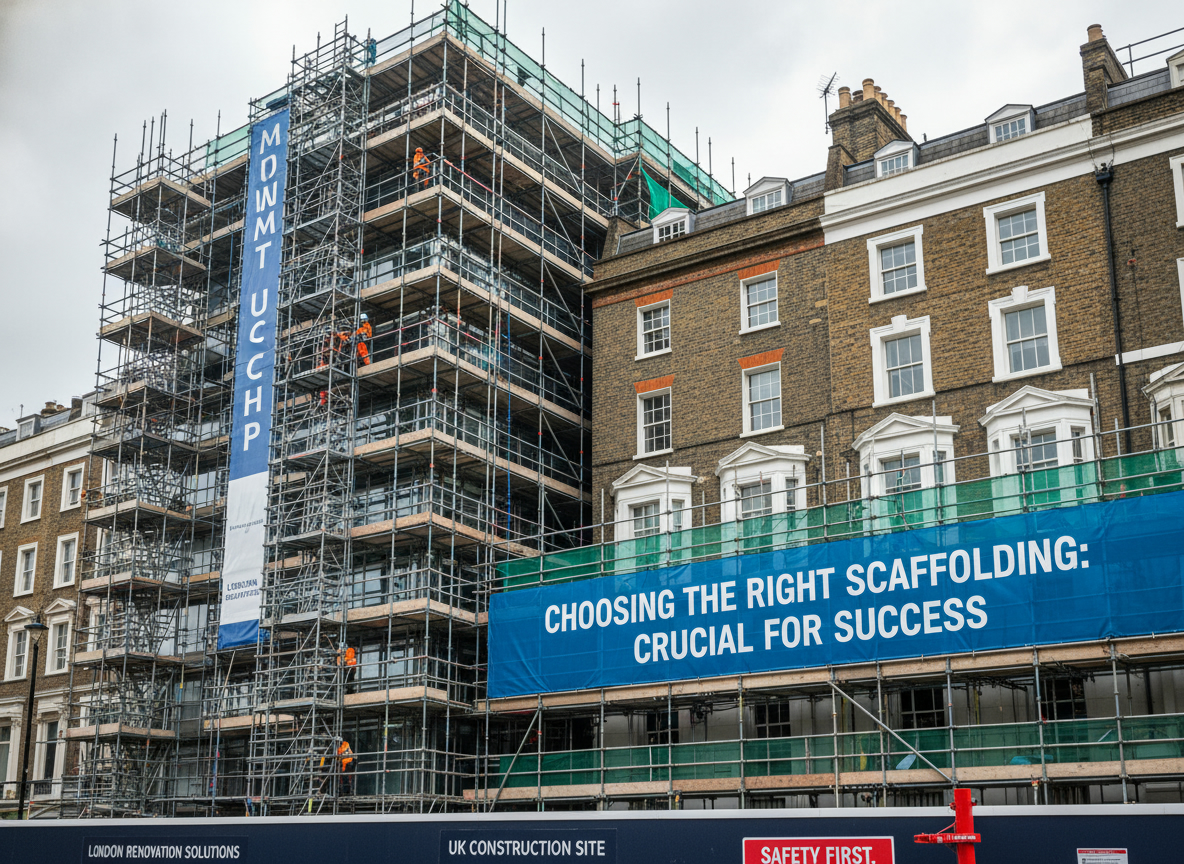
Understanding the process of commercial scaffolding hire is crucial for ensuring a smooth and efficient construction project. Here’s a step-by-step guide on how professional scaffolding services typically operate in the UK:
- Initial Consultation: The process begins with a consultation where the scaffolding provider assesses your project needs. This is an opportunity to discuss requirements, timelines, and any specific challenges your site might present.
- Site Survey: A detailed site survey is conducted to evaluate the physical conditions and constraints. This survey informs the choice of scaffolding structure, whether it's system scaffolding, tube and fitting, or mobile towers, depending on the project's needs.
- Design: Based on the site survey, a bespoke scaffolding design is developed. This design ensures the structure will provide the necessary support and access while adhering to safety standards. Compliance with UK regulations such as BS EN 12811-1 is a key consideration at this stage.
- Installation: Professional scaffolders erect the scaffolding structure according to the design specifications. This phase typically takes 3-7 days, depending on the complexity of the project and the type of scaffolding used. Safety checks are conducted throughout to ensure stability and compliance.
- Inspections: Regular inspections are mandatory to maintain safety and compliance with regulations. These inspections are conducted by qualified personnel and include checking for structural integrity and ensuring all components are secure.
- Removal: Once the project is completed, the scaffolding is carefully dismantled. This phase is executed promptly to minimise disruption and ensure the site is left safe and tidy.
Safety is paramount throughout each stage, with rigorous adherence to HSE guidelines and risk assessments. Typical project durations can vary, but understanding what to expect at each step helps in planning and executing construction activities efficiently. For further details on bespoke scaffolding solutions, visit our domestic scaffolding services page which outlines additional offerings that can be tailored to commercial projects.
Costs & Rate Breakdown
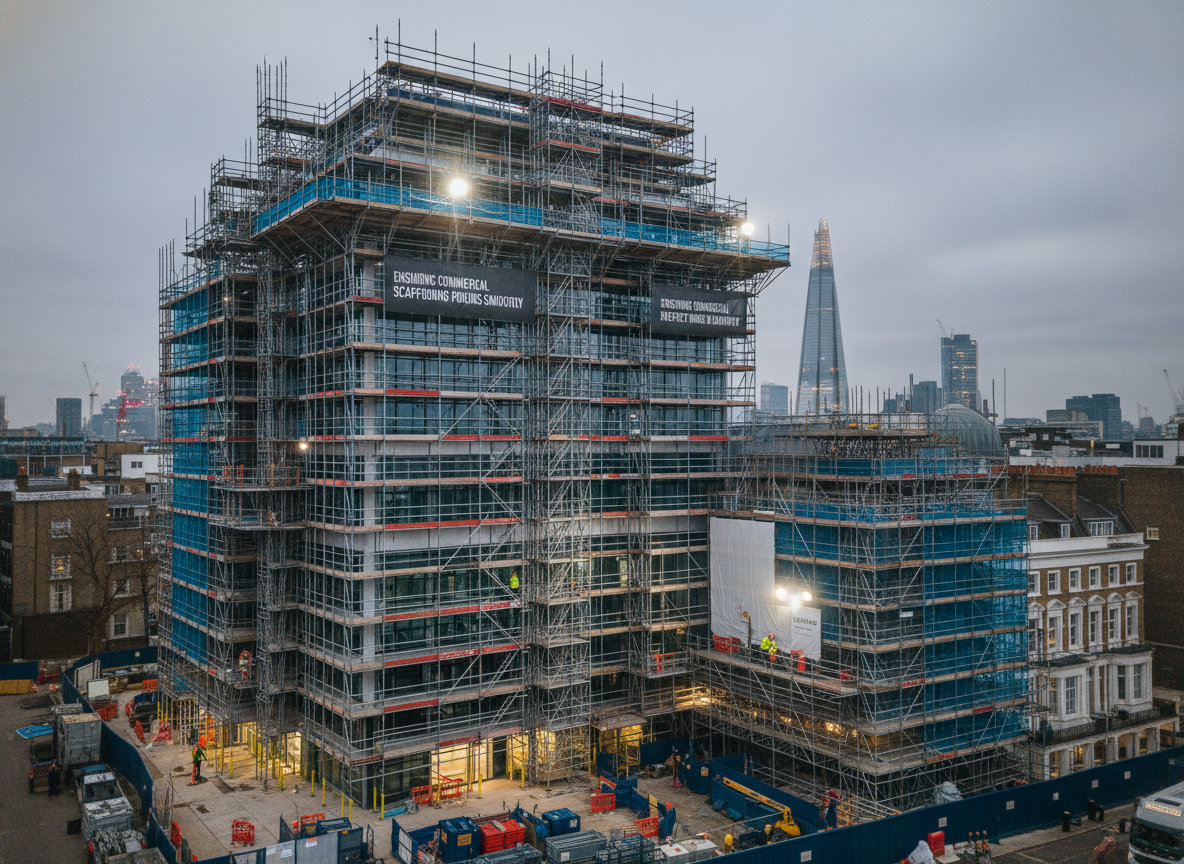
Understanding the costs associated with commercial scaffolding hire is critical for budgeting and project planning. These costs can vary based on several factors, including the type of scaffolding, project size, and complexity. Here's a breakdown of typical costs involved:
- Hire Rates: Scaffolding hire costs generally range from £15 to £50 per metre, depending on the scaffolding type. Tube and fitting scaffolding are often more affordable, while suspended scaffolding tends to be pricier.
- Installation Fees: Professional installation is essential for safety and compliance, typically costing between £500 to £1,500 for small projects, and significantly more for larger, complex structures.
- Inspection Costs: Regular inspections are mandatory, averaging around £100 to £200 per visit, ensuring ongoing safety and compliance with UK regulations.
- Removal Fees: Safe dismantling of scaffolding incurs additional costs, generally ranging from £300 to £1,000, depending on the project size.
| Project Scenario | Estimated Cost (£) |
|---|---|
| Small Domestic Extension | £1,500 - £3,000 |
| Large Commercial Project | £10,000 - £50,000 |
Several factors influence these costs, including:
- Height: Taller structures require more materials and time, increasing costs.
- Duration: Longer hire periods will typically incur higher costs.
- Location: Urban areas like London may have higher rates due to logistical challenges.
- Complexity: Projects requiring bespoke designs or unusual site conditions may see elevated costs.
Quotes from scaffolding providers typically include all the above elements, offering transparency in pricing. Payment terms often require a deposit upfront, with the balance due upon completion. Engaging with a reputable provider ensures these terms are clearly outlined, allowing for effective budget management. For more detailed insights on scaffolding services, explore our London scaffolding hire page for location-specific information.
Regional Insights
London
In 2025, London remains a vibrant hub for construction activities, driving demand for scaffolding hire in London. The city's dense urban environment presents unique challenges, such as limited access and stringent planning permissions. Construction projects often involve high-rise commercial buildings in areas like Canary Wharf and the City of London, necessitating specialised scaffolding solutions. Providers must be adept at navigating local regulations and ensuring compliance with safety standards to meet the city's rigorous demands.
Surrey
Surrey's construction market is characterised by a mix of residential and commercial projects, with an increasing focus on sustainable development. The county's scenic landscapes and affluent residential areas, such as Guildford and Woking, require careful planning to minimise environmental impact. In 2025, the market for scaffolding hire in Surrey is expected to grow, driven by new builds and renovation activities. Special attention to local planning regulations and access considerations is essential, especially in conservation areas.
Kent
Kent, known as the "Garden of England," offers a diverse construction landscape, from industrial projects in Ashford to retail developments in Maidstone. The 2025 market outlook for scaffolding hire in Kent predicts steady growth, supported by infrastructure improvements and commercial expansions. Access challenges in historic towns like Canterbury require innovative scaffolding designs that accommodate narrow streets and preservation requirements. Understanding local planning processes and maintaining high safety standards are crucial for successful project delivery in this region.
Comparison Table
| Scaffolding Type | Cost (£ per metre) | Installation Time (Days) | Suitability | Safety Features | Typical Use Cases |
|---|---|---|---|---|---|
| Tube and Fitting | 15-25 | 5-7 | Versatile, suitable for complex structures | High customisability with robust fittings | Restoration projects, irregular structures |
| System Scaffolding | 20-30 | 3-5 | Ideal for repetitive and modular designs | Integrated safety features, quick assembly | Commercial and industrial buildings |
| Mobile Towers | 10-15 | 1-2 | Best for short-term and small-scale tasks | Portable, with stabilisers and brakes | Maintenance work, interior projects |
| Suspended Scaffolding | 30-50 | 7-10 | Access to high-rise building exteriors | Rope and pulley systems for safety | Skyscraper painting, window cleaning |
Choosing the right scaffolding type is crucial for the success of your commercial project. Tube and fitting scaffolding offers unmatched versatility, making it ideal for projects with complex geometries or unique architectural features. On the other hand, system scaffolding is preferred for projects requiring speed and efficiency, thanks to its modular nature and built-in safety mechanisms. Mobile towers are perfect for smaller, quick-turnaround tasks, offering mobility and ease of use, while suspended scaffolding is the go-to option for high-altitude work such as painting or window cleaning on tall buildings.
When selecting a scaffolding solution, consider factors such as project scale, duration, and specific site challenges. For more information on how to choose the right scaffolding service, visit our London scaffolding hire page to explore tailored options for your needs.
Real-World Case Studies
Case Study 1: Retail Complex Refurbishment in Manchester
Project Type: Commercial
Location: Manchester
Challenges: The refurbishment of a busy retail complex required minimal disruption to businesses and public safety.
Solution: A system scaffolding solution was selected for its rapid installation and integrated safety features. The scaffolding was erected during off-peak hours to minimise impact on retail operations.
Outcomes: The project was completed two weeks ahead of schedule, with a 30% reduction in costs due to efficient scaffolding use. Safety inspections reported zero incidents, ensuring a secure environment for both workers and shoppers.
Case Study 2: Residential Tower Block Maintenance in Birmingham
Project Type: Domestic
Location: Birmingham
Challenges: The maintenance of a residential tower block required access to high elevations with limited ground space.
Solution: Suspended scaffolding was deployed, providing safe access to the upper floors without occupying ground space. The use of rope and pulley systems ensured swift installation and removal.
Outcomes: The maintenance work was completed in half the estimated time, saving significant labour costs. The innovative scaffolding approach maintained the building's aesthetics with minimal visible impact.
Case Study 3: Industrial Facility Expansion in Glasgow
Project Type: Industrial
Location: Glasgow
Challenges: The expansion of an industrial facility required a robust scaffolding solution that could withstand harsh weather conditions.
Solution: Tube and fitting scaffolding was chosen for its versatility and strength, ensuring stability in adverse weather. Customised designs accommodated complex structural requirements.
Outcomes: Despite challenging weather, the project was completed on schedule, with a 25% increase in safety compliance due to regular inspections. The scaffolding solution facilitated seamless integration with ongoing industrial operations.
These case studies demonstrate the diverse applications and tangible benefits of commercial scaffolding hire in the UK market. For more information on tailored scaffolding solutions, visit our London scaffolding hire page or explore our domestic scaffolding services for projects of different scales and complexities.
Actionable Tips & Checklist
To ensure your commercial scaffolding hire project runs smoothly and efficiently, it's crucial to follow a structured approach. Here are some actionable tips and a comprehensive checklist to guide you through the process:
Actionable Tips
- Plan Ahead: Begin by assessing your project needs early. Understanding the scope and requirements will help you choose the right scaffolding type.
- Set a Budget: Use our quote calculator to estimate costs and allocate budget accordingly.
- Engage Early with Contractors: Establish clear communication with scaffolding contractors to discuss timelines and specific project challenges.
- Ask the Right Questions: Ensure you inquire about compliance with safety standards, previous experience, and emergency procedures.
- Regular Inspections: Schedule regular checks to maintain safety and compliance throughout the project duration.
Checklist for Commercial Scaffolding Hire
-
Preparation:
- Define the project scope and objectives.
- Identify key access points and height requirements.
- Determine the project timeline and deadlines.
-
Documentation Needed:
- Prepare site plans and architectural drawings.
- Ensure compliance documents and permits are in place.
- Gather insurance and liability information.
-
Choosing Providers:
- Research and shortlist experienced scaffolding companies.
- Check references and past project portfolios.
- Evaluate quotes and ensure transparency in pricing.
-
Safety Considerations:
- Verify adherence to BS EN 12811-1 standards.
- Implement safety measures and risk assessments.
- Ensure all workers are trained and equipped with PPE.
By following these tips and checklist, you can streamline your scaffolding hire process, ensuring safety and efficiency. For more tailored advice and services, consider exploring our London scaffolding hire options or our domestic scaffolding services to suit various project scales.
Comprehensive FAQ
What are the typical costs associated with commercial scaffolding hire?
The costs for commercial scaffolding hire in the UK can vary significantly based on factors such as the type of scaffolding, project size, and location. Generally, hire rates range from £15 to £50 per metre. Additional expenses include installation fees (£500 to £1,500 for small projects), inspection costs (£100 to £200 per visit), and removal fees (£300 to £1,000). It's essential to obtain detailed quotes from providers to understand the full cost implications for your project.
How does safety factor into commercial scaffolding hire?
Safety is paramount in commercial scaffolding hire, governed by stringent UK regulations such as the BS EN 12811-1 standards. Providers must conduct regular safety inspections to ensure structural integrity and compliance. Additionally, all workers should be trained and equipped with personal protective equipment (PPE). Engaging experienced scaffolding providers who prioritise safety can significantly reduce risks and ensure safe project execution.
What is the typical timeline for scaffolding installation and removal?
Installation timelines for commercial scaffolding depend on the project's complexity and scaffolding type. Generally, system scaffolding can be installed within 3-5 days, while more intricate tube and fitting structures may take 5-7 days. Removal is typically quicker, completed within a few days post-project completion. Timelines can vary, so it's crucial to discuss specific requirements with your scaffolding provider during the planning phase.
What regulations govern commercial scaffolding hire in the UK?
Commercial scaffolding hire in the UK is regulated by standards such as BS EN 12811-1, which outline requirements for design, performance, and safety. The Health and Safety Executive (HSE) also provides guidelines to prevent accidents, particularly falls from height. Compliance with these regulations is mandatory, ensuring both the safety of workers and the public. Engaging a reliable provider will help ensure your project adheres to all necessary legal requirements.
What types of scaffolding are commonly used in commercial projects?
The main types of scaffolding used in commercial projects include tube and fitting, system scaffolding, mobile towers, and suspended scaffolding. Tube and fitting scaffolding offers versatility for complex structures, while system scaffolding is ideal for modular projects due to its quick assembly. Mobile towers are suited for short-term tasks, and suspended scaffolding provides access to high-rise building exteriors. Selecting the right type depends on the project’s specific needs.
What is involved in the scaffolding installation process?
The installation process for commercial scaffolding begins with an initial consultation and site survey to assess project requirements. A bespoke design is then developed to ensure compliance with safety standards. Professional scaffolders erect the structure according to these specifications, with safety checks conducted throughout. Regular inspections during use are mandatory, ensuring the scaffolding remains secure and compliant until removal after project completion.
How is scaffolding removed safely from a commercial site?
Safe removal of scaffolding involves a systematic dismantling process, executed by experienced professionals. The process must adhere to safety guidelines to prevent accidents and ensure the site is left tidy. Safety checks are conducted throughout dismantling to maintain stability. Prompt removal minimises disruption and allows the construction site to return to normal operation swiftly. Engaging a reputable provider ensures this phase is handled efficiently and safely.
What kind of maintenance is required for scaffolding during a project?
Regular maintenance of scaffolding during a project is crucial to ensure safety and compliance. This includes routine inspections by qualified personnel to check structural integrity and stability. Any signs of wear or damage must be addressed immediately to prevent hazards. Maintenance also involves ensuring all components are secure and that the scaffolding remains aligned with safety standards throughout the project's duration. Regular communication with the scaffolding provider is essential for effective maintenance.
Next Steps & CTA
As you've discovered, commercial scaffolding hire is pivotal for successful construction projects in the UK. Ensuring safety, compliance, and efficiency with the right scaffolding partner is essential. Here's a recap of what we've covered:
- The importance of selecting reliable scaffolding services to adhere to UK safety regulations and optimise workflow.
- An overview of scaffolding types and their suitability for different project needs.
- Insight into cost considerations and how to effectively manage your budget.
- Key actionable tips and a checklist to streamline your scaffolding hire process.
Ready to take your construction project to the next level? Get Your Scaffolding Quote today and explore how our expert solutions can enhance your project’s efficiency and safety. For any questions or tailored advice, do not hesitate to contact our team. Our experts are on hand to provide guidance tailored to your specific project requirements. Take the first step in ensuring a seamless construction experience by engaging with trusted scaffolding professionals.
Explore More Arch Design Options
Related Articles
Comprehensive guide to access scaffolding in the UK. Learn about costs, types, installation, and find the best scaffolding solutions for your project.
Comprehensive guide to commercial scaffolding in the UK. Learn about costs, types, installation, and find the best scaffolding solutions for your project.
Comprehensive guide to industrial scaffolding in the UK. Learn about costs, types, installation, and find the best scaffolding solutions for your project.
Ready to Get Started?
Scaffolding Hire Surrey Team
CISRS Lead InspectorAdvanced Scaffolder, 15+ Years Experience
David Miller is a recognized expert in scaffolding safety and construction logistics across the UK. With a career spanning over 15 years, he specializes in TG20:21 compliance and complex industrial access solutions. His insights help ensure that every project on Scaffolding Hire London meets the highest possible safety and efficiency standards.
Ready to Start Your Scaffolding Project?
Whether you're planning a home extension, commercial development, or industrial project, our professional scaffolding solutions can help you complete your project safely and efficiently.